

It happens before you even think about it. Your hand reaches for the vape, pouch, or cigarette, and then you remember you said you were done. That reflex doesn’t mean you’re weak. Withdrawal, familiar cues, and a well-worn ritual are all pulling at once.
Learning how to quit nicotine means planning for all three. This guide gives adults 21 and older a practical route through preparation, withdrawal, proven smoking treatments, cravings, and slips. For personalized medication advice, pregnancy, severe symptoms, or mental health concerns, talk with a qualified healthcare professional.
Quick Answer: How to Quit Nicotine in 7 Steps
To quit nicotine, choose a clear route, prepare before your stop date, and decide what you’ll do when a craving hits. The details should fit the product you use, your daily pattern, your health history, and what happened during earlier attempts.
- Choose whether you’ll stop completely on a set date or taper toward a firm stop date.
- Write your quit date down and tell at least one person who will support you.
- Track when, where, and why you use nicotine so you can spot your strongest triggers.
- Discuss proven quit-smoking treatments and support with a clinician, pharmacist, or quitline coach.
- Prepare for withdrawal by clearing your schedule, stocking easy meals, and protecting sleep.
- Save a craving protocol that tells you what to do for the next one, five, and ten minutes.
- Treat a slip as useful information, adjust the plan, and restart immediately.
That’s the short version. What follows is built for the moment when day three drags on and your motivation feels miles away.
You don’t have to solve the rest of your life today. Make the next week easier to predict. A written route, a safer support plan, and a few practiced responses give you something solid to follow when confidence dips. If a nicotine-free vape alternative belongs in your adult plan, decide exactly when it helps and when a non-inhaled option works better.
Keep the plan where you’ll catch it before the automatic reach takes over. Pin it to your phone, tuck a card in your wallet, or leave a message at the top of a support chat. Your plan needs to be ready before the craving starts bargaining.
Choose Your Quit Route: Stop Now or Taper
Two practical routes exist. You can stop all nicotine on a chosen date or cut back gradually before stopping. Neither suits everyone. Pick the one you can define, prepare for, and actually follow.
Think about past attempts. Did an abrupt stop feel freeing or overwhelming? Does a gradual plan help you build confidence, or does it leave room for endless exceptions? For people who vape, comparing vapes with less nicotine can clarify strength labels, but a lower label is not the same as a complete quit route. If you use medication, have a health condition, or aren’t sure how your nicotine intake compares across products, get professional guidance instead of inventing a dose schedule.
You don’t need to wait until quitting feels easy. Pick the route that leaves less room for guesswork. Clear rules matter when your brain starts lobbying for one more use.
Quitting Cold Turkey
Quitting cold turkey means stopping nicotine completely on your quit date without tapering nicotine first. You can still use counseling, non-nicotine coping tools, and other support. The phrase describes how you stop nicotine, not whether you get help.
A clean break keeps the rule brutally simple. No bargaining and no next one. Early withdrawal may feel intense, so set up your first 72 hours before symptoms arrive.
- Remove nicotine products, chargers, lighters, ashtrays, empty cans, and saved delivery links.
- Tell your support person when you may need a call, walk, or distraction.
- Plan simple meals, earlier nights, and fewer optional commitments.
- Keep water, gum, mints, and an activity for your hands within reach.
Tapering Nicotine With a Firm Stop Date
A taper needs numbers. Delay the first use, stretch the time between uses, cut the daily count, or stop carrying backups. Write it down. Memory gets slippery when a craving starts making its case.
Set weekly limits and a complete stop date. Otherwise, cutting back can stall at a level that still keeps the cycle running. Cigarettes, vapes, and pouches deliver nicotine differently, so don’t convert puff counts or package labels into a homemade dosing formula. Understanding how vape puffs compare with one cigarette can clarify why simple one-for-one substitutions fail. Follow medication labels and take product-specific questions to a pharmacist or clinician.
Build a Plan Before Your Quit Date
Motivation can get you started. Logistics carry you through a rotten afternoon. Write a one-page plan with your route, quit date, reasons, support contacts, likely triggers, chosen treatments, craving responses, and a small reward for each milestone.
Look back without judging yourself. If you returned to nicotine after a stressful meeting, a night out, or three nights of poor sleep, that is planning data. The free Smokefree quit-plan builder can help you turn those patterns into specific actions.
Catch the details that are easy to miss. Decide how you’ll handle alcohol, long drives, work breaks, meals, and nights out. Choose where treatments or substitutes will live, then set reminders for refills, appointments, and check-ins. Loose ends give cravings room to work.
Find Your Triggers and Write If-Then Plans
Triggers tend to be emotional, social, or tied to routine. Stress, boredom, alcohol, driving, coffee, meals, work breaks, gaming, and seeing someone else use nicotine can all wake up the old sequence.
Use one simple template. If this trigger happens, I will change location, wait ten minutes, use my substitute, and contact my supporter.
Make it concrete. If you smoke after dinner, brush your teeth and walk outside. If you vape while driving, put gum and cold water in the cup holder. If you use pouches at your desk, schedule a stand-up break and keep mints nearby.
Change Your Environment and Recruit Support
Make nicotine harder to reach and support easier to reach. Clear your home, car, bag, desk, and phone of products and purchase shortcuts. Clean or rearrange the places where you used most often so the old setup doesn’t keep prompting the same move.
Tell people exactly what would help. Ask them not to offer nicotine or use it beside you, and request a no-lecture check-in on quit day. In the United States, free quitline coaching is available at 1-800-QUIT-NOW. Text support and healthcare professionals are options too.
What Can You Use When You Want a Non-Inhaled Nicotine-Free Option?
A non-inhaled quit-day kit gives your mouth and hands something else to do without adding another inhaled product.
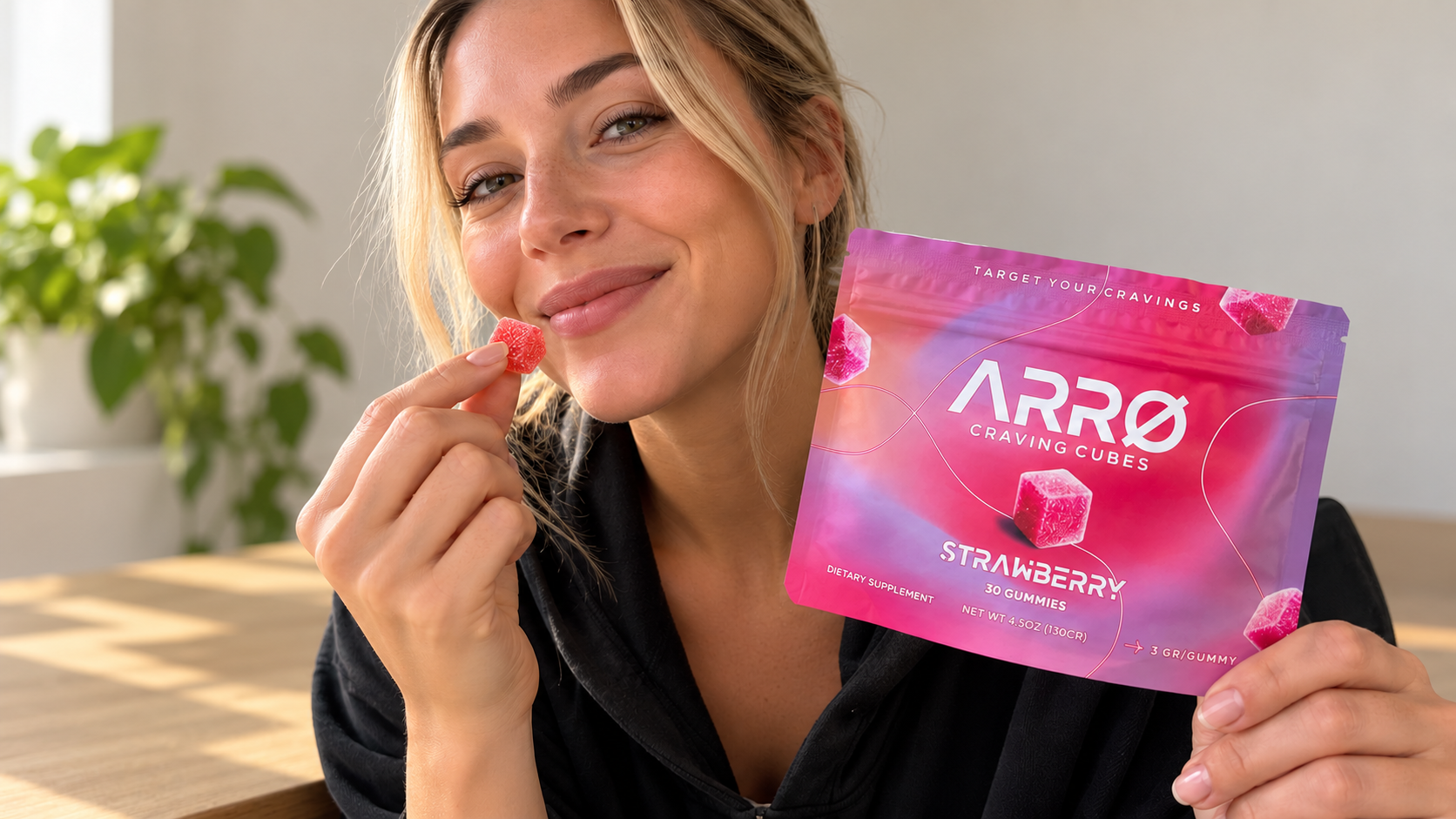
ARRØ Craving Cubes are one plant-based, 0% nicotine gummy option for adults 21 and older.
Keep them beside sugar-free gum, cold water, and a fidget tool, then use professional support for withdrawal and treatment decisions.
The goal is not one magic answer. It is giving the next craving fewer chances to catch you empty-handed.
Know What Nicotine Withdrawal May Feel Like
Nicotine withdrawal is real, and it doesn’t follow the same script for everyone. Product, frequency, dependence, sleep, stress, health, and other factors all shape it. Cue-driven cravings can show up separately because your brain expects nicotine in a certain place or moment.
That distinction changes the response. Medication may help with withdrawal. A trigger often needs a new action or environment. Sometimes both are happening at once.
You don’t have to identify the cause perfectly before responding. Use the tools you planned, notice what helped, and adjust.
The National Cancer Institute’s nicotine withdrawal guidance lists cravings, irritability, anxiety, low mood, restlessness, trouble concentrating, sleep changes, and increased appetite among common symptoms. Knowing what may happen helps you prepare without assuming every uncomfortable feeling has the same cause.
Nicotine Withdrawal Timeline
Symptoms can begin within hours. They are often strongest during the first week and may peak during the first three days, then usually ease across the first month. That is a common pattern, not a countdown clock. Some people feel better sooner. Others have symptoms or occasional cue-based cravings for longer.
Plan around that rough pattern instead of treating it as a precise answer to how long nicotine withdrawal lasts. Keep day one simple and shield days two and three from avoidable stress when you can. Schedule check-ins during the first week, and keep fast craving tools close. Weeks two through four still need practice, even when the physical edge begins to fade.
Common Symptoms and When to Get Medical Help
Match the coping tool to what you feel. Brief movement can take the edge off restlessness, and regular meals can steady hunger. A calmer bedtime routine may make sleep changes easier.
If caffeine suddenly makes you jittery, cut back. Water can help you feel more comfortable. It cannot instantly flush out nicotine dependence.
Contact a healthcare professional for symptoms that are severe, persistent, or worrying. Get urgent help for chest pain, trouble breathing, a mental health crisis, or thoughts of self-harm. In the United States, call emergency services when there is immediate danger, or call or text 988 for crisis support.
Consider Proven Quit Treatments
For adults who smoke cigarettes, counseling and approved quit-smoking medications have the strongest support. Together, they can improve your odds of quitting. The CDC’s quit-smoking guidance lays out the options you can review with a clinician or pharmacist.
The evidence is more specific to cigarette smoking than to quitting vapes or nicotine pouches. If you use those products, a healthcare professional or quitline coach can help you adapt a plan to your pattern. Our 0% nicotine products sit outside the evidence-based treatment category. They support ritual replacement rather than serve as medicine, NRT, or a substitute for clinical care.
Treatment is one way to reduce friction while you change a deeply practiced behavior. If a medication or counseling approach didn’t fit before, tell the professional what went wrong. One rough match doesn’t rule out every kind of support.
Nicotine Replacement Therapy: Patches, Gum, and Lozenges
Nicotine replacement therapy gives you measured nicotine without cigarette smoke while you work toward stopping. Patches act longer. Gum and lozenges work for shorter stretches. Nicotine inhalers and nasal sprays require prescriptions.
If you’re searching for how to use nicotine gum or patches to quit smoking, start with the package directions. Ask a pharmacist or clinician which product is right for you and whether combining a patch with gum or a lozenge fits your needs. Our plain-language nicotine patch reviews can help you prepare questions, but they do not replace medical guidance.
If you’re comparing how to use nicotine gum to quit with lozenges, follow the label and ask a pharmacist about fit, dose, timing, and cost.
Nicotine pouches are different from approved NRT. They are consumer nicotine products, not quit-smoking medicine. Switching from cigarettes to pouches may change the format, but it does not mean you have quit nicotine.
A nicotine lozenge price comparison can help you prepare practical questions before you buy.
Prescription Options and Counseling
Varenicline and bupropion are prescription, non-nicotine medicines used to help people quit smoking. A clinician needs to review your health history, pregnancy status, mental health, other medications, and current nicotine use before advising you.
Counseling adds planning, trigger work, coping skills, accountability, and help after setbacks. It can happen one-on-one, in a group, by phone, by text, or through an app. Medication can reduce part of the physical struggle. Counseling helps you change what happens around it.
Use a Craving Plan for the Hard Minutes
Learning how to stop nicotine cravings starts with choosing a response before the urge arrives. Remember the five Ds: delay, breathe deeply, drink water, do something else, and discuss the urge with someone. Think of them as a memory aid, not a cure.
Build a short menu before quit day. For one minute, stand up, breathe slowly, and move the nicotine out of sight. For five minutes, change rooms, brush your teeth, chew sugar-free gum, or walk outside. For ten minutes, message your supporter, take a brisk walk, or start a task that uses both hands.
You may see a “3-3-3 rule” online. A grounding version asks you to name three things you see, notice three sounds, and move three body parts. It may redirect attention, but it is not a formal nicotine treatment. Use it as a pause, then return to your quit plan.
When the urge passes, jot down the time, trigger, intensity, and what helped. Patterns may start to appear as you track them. Mornings may need more backup, alcohol may make the plan wobble, or a two-minute walk may beat scrolling. The next craving feels less mysterious when you’ve got your own data.
Replace the Ritual and the Nicotine
Nicotine gets stitched into coffee, driving, stress, breaks, meals, and nights out. Removing the chemical doesn’t erase the choreography. Your hand may still reach, your mouth expects something, and a familiar pause in the day suddenly feels empty.
Choose replacements by function. Notice what you miss in that moment, such as mouth movement, something in your hand, flavor, breathing rhythm, a real break, movement, or company. Our oral fixation alternatives guide offers more ideas, but the best swap matches your trigger without creating a new problem.
Keep the purpose of the old ritual too. If vaping bought you five quiet minutes outside, gum at your desk may feel flat because the break disappeared. Keep the pause and change what happens inside it. Walk, call a friend, or breathe outside without nicotine.
Nicotine-Free Ritual Replacements
Start with non-inhaled options to avoid adding another inhaled product. Try sugar-free gum, mints, crunchy snacks, a straw, a water bottle, tooth brushing, a fidget object, paced breathing, or a short walk. If you are weighing whether a zero-nicotine vape helps you quit, treat it only as a ritual question, not a treatment claim.
Match each tool to the setting. Keep quiet options at work, portable ones in the car, and a social substitute ready for nights out. For stress, pair something for your hands with a slower exhale or a little movement. One swap doesn’t need to solve every trigger.
Where a 0% Nicotine Vape May Fit
Our 0% nicotine vapes may fit adults who already smoke or vape and want to keep the familiar inhale, exhale, flavor, and hand-to-mouth motion without nicotine. Their role is ritual replacement. They sit outside chemical-withdrawal treatment, NRT, medication, FDA-approved cessation devices, and proven quit methods.
Our 0% nicotine products are only for adults 21 and older who already smoke or vape. Start with non-inhaled options. If keeping more of the vaping ritual fits your plan and informed risk tolerance, you can explore nicotine-free vapes for adults who already vape. Proven support stays at the center.
Tailor the Plan to Smoking, Vaping, or Pouches
Cigarettes, vapes, and pouches can all create nicotine dependence, but they carve up the day differently. A cigarette has a clear start and finish. A vape can sit within reach for hours. A pouch slips into work, driving, gaming, or exercise with barely a pause.
Track your real pattern for several days. Record the time, frequency, trigger, location, and what happened right before use. Puff estimates and marketing labels aren’t reliable tools for a product-to-product taper.
If you smoke cigarettes, return to the medication and counseling section above. Vapes and pouches need the focused adjustments below.
The same backbone works across products. Set a date, line up support, prepare for withdrawal, change your triggers, and write a slip protocol. Access is the part that shifts. Find the moments when your product makes use almost effortless, then add a pause, remove a supply, or change the setting.
How to Quit Vaping Nicotine
Vaping can turn many brief uses into one long day. Create vape-free zones, delay the first session, and write down each use. Before quit day, remove spare devices, chargers, and liquids. Tell friends not to offer you a hit.
Smoking-cessation medications are not approved to help people quit vaping. Smokefree’s vaping withdrawal guidance recommends discussing cravings and possible medication use with a healthcare professional. A strong vaping plan combines professional support, device removal, trigger changes, and a replacement for the hand-to-mouth routine. If you’re researching how to use a nicotine patch to quit vaping, follow the label and ask a healthcare professional instead of copying a schedule from social media. The same applies to nicotine gum.
How Do You Know If a Nicotine-Free Vape Still Fits Your Plan?
A nicotine-free vape still fits your plan only when you remain at 0% nicotine and it does not keep every old trigger active. If you are researching whether nicotine-free vapes are safe, remember that 0% nicotine is not proof of zero risk.
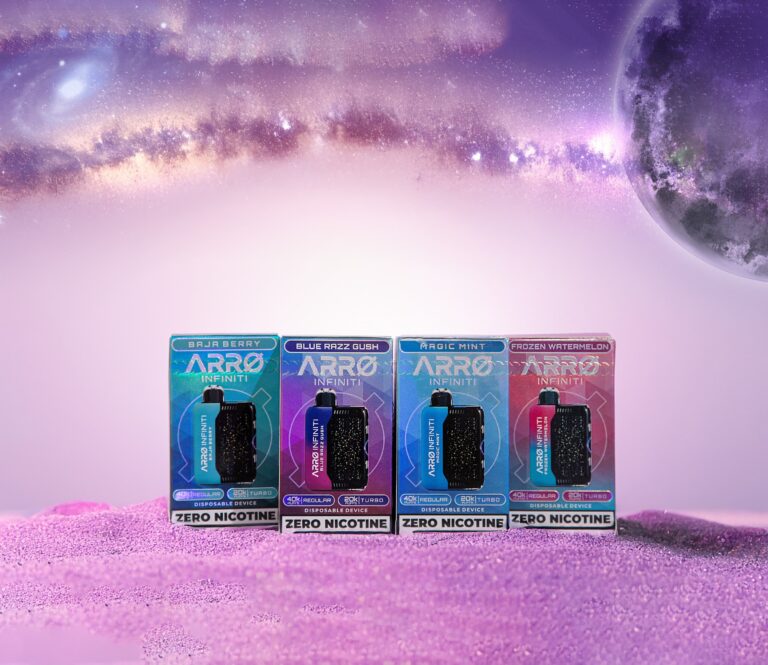
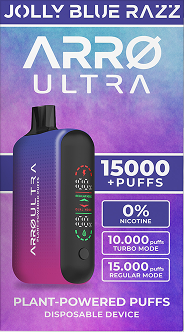
ARRØ Ultra gives adults who already smoke or vape a familiar hand-to-mouth motion with 0% nicotine.
Track when you reach for it, which trigger started the urge, and whether the use sends you toward or away from nicotine.
Keep it as an optional ritual swap when it supports your written plan.
Move to a non-inhaled substitute if the same cues keep pulling you back.
How to Quit Nicotine Pouches
Pouches can disappear into routine because they need no smoke break and almost no setup. Count each one, note when you replace it, and flag pairings with commuting, work, gaming, or exercise. Then choose a stop-now route or a measurable taper with a firm end date.
If you’re asking how to use nicotine pouches to quit smoking, remember that pouches still deliver nicotine and are not the same as quitting it. Use non-pouch oral replacements such as gum, mints, a cold drink, or crunchy snacks; our nicotine pouch alternatives guide can help you compare ritual swaps. Get clinician or quitline support for withdrawal and treatment questions. Nicotine pouches are not equivalent to nicotine gum or lozenges.
Recover From a Slip Without Abandoning the Plan
A slip gives you information. Stop the episode, remove what remains, and contact support. Skip the wait for Monday, next month, or a magical burst of motivation.
In the next hour, write down the trigger and what your plan was missing. In the next day, repair that gap, revise the if-then response, and recommit to your route. One use is different from a return to regular use. If slips keep happening, ask for more support or revisit treatment with a healthcare professional.
One mistake doesn’t erase every nicotine-free hour. Keep the progress, review what went wrong, and strengthen the exact spot where the plan gave way. Fast recovery matters more than acting as if the slip never happened.
Take Back Control One Craving at a Time
A perfect record isn’t required. Focus on the next choice. If you’re deciding how to quit nicotine, choose whether you’ll stop now or taper, write your quit date, save your craving protocol, and put support within reach today.
It’s your story. Time to take it back. If you’re an adult who already smokes or vapes, keeping part of the ritual may fit your plan. Our 0% nicotine options can be one optional swap, never the treatment or the whole strategy.
Build the plan first. Then compare ARRØ Craving Cubes with our 0% nicotine vapes. Choose a non-inhaled gummy when you want something to chew, or a vape only when keeping the motion fits your plan. Keep counseling, quitline help, and clinician-guided treatment at the center. Take back the next craving one choice at a time.
References
Theodoulou, Anna, et al. “Different Doses, Durations and Modes of Delivery of Nicotine Replacement Therapy for Smoking Cessation.” Cochrane Database of Systematic Reviews, 19 June 2023.
Hartmann-Boyce, Jamie, et al. “Oral Nicotine Pouches for Cessation or Reduction of Use of Other Tobacco or Nicotine Products.” Cochrane Database of Systematic Reviews, 24 Oct. 2025.
Lindson, Nicola, et al. “Electronic Cigarettes for Smoking Cessation.” Cochrane Database of Systematic Reviews, 26 Aug. 2026.
 Cessation Cravings: