


You reached for the pouch again before your brain caught up. The pack lives in your pocket, on the desk, on the nightstand, in the car door. That constant reach is the part patches and gum never touched.
Here is the trap. Pouches quietly became the new dependency. High-strength pouches can deliver more nicotine per session than a cigarette, so “switching brands” or “cutting back” rarely sticks. What sticks is giving the ritual somewhere to go.
Below are seven nicotine pouch alternatives, ranked by how well they break the habit, not by how closely they mimic ZYN. Some are products. Some cost nothing. One is a mindset shift. Combine two or three of them and day 3 stops running the show. Readers focused on pod systems can also compare NJOY alternatives by nicotine content, convenience, and nicotine-free availability.
Why Nicotine Pouches Are So Hard to Quit
Nicotine pouches lock in two loops at once. The chemical loop is the nicotine itself. The behavioral loop is the tuck, the mouth, the low-key background awareness that a pouch is always available. That double loop is why pouches feel harder to quit than cigarettes did.
According to the CDC’s smoking cessation resources, nicotine is a highly addictive substance and dependency develops through both the chemical hit and the routine wrapped around it. Higher-strength pouches at 6mg or above can rival the nicotine hit of an average cigarette, sometimes more depending on tuck time and product.
The through-line for the rest of this list is simple. You are quitting the ritual as much as the chemical. Any alternative that ignores the ritual is going to leave a gap, and that gap is where relapse lives.
What to Look For in a Nicotine Pouch Alternative
Three things matter more than the packaging or the flavor menu.
-
0% nicotine. If the goal is breaking the habit, another nicotine product resets the clock and keeps the dependency intact.
-
A trigger fix. Oral, hand-to-mouth, or stress-response. A pill on its own will not carry you through the 3pm reach.
-
Ingredient honesty. “Natural” and “herbal” are not the same as safe or clinically backed. If a product is quiet about what is inside it, that is your cue to keep looking.
1. ARRØ Ultra: Nicotine-Free Vape for the Hand-to-Mouth Habit
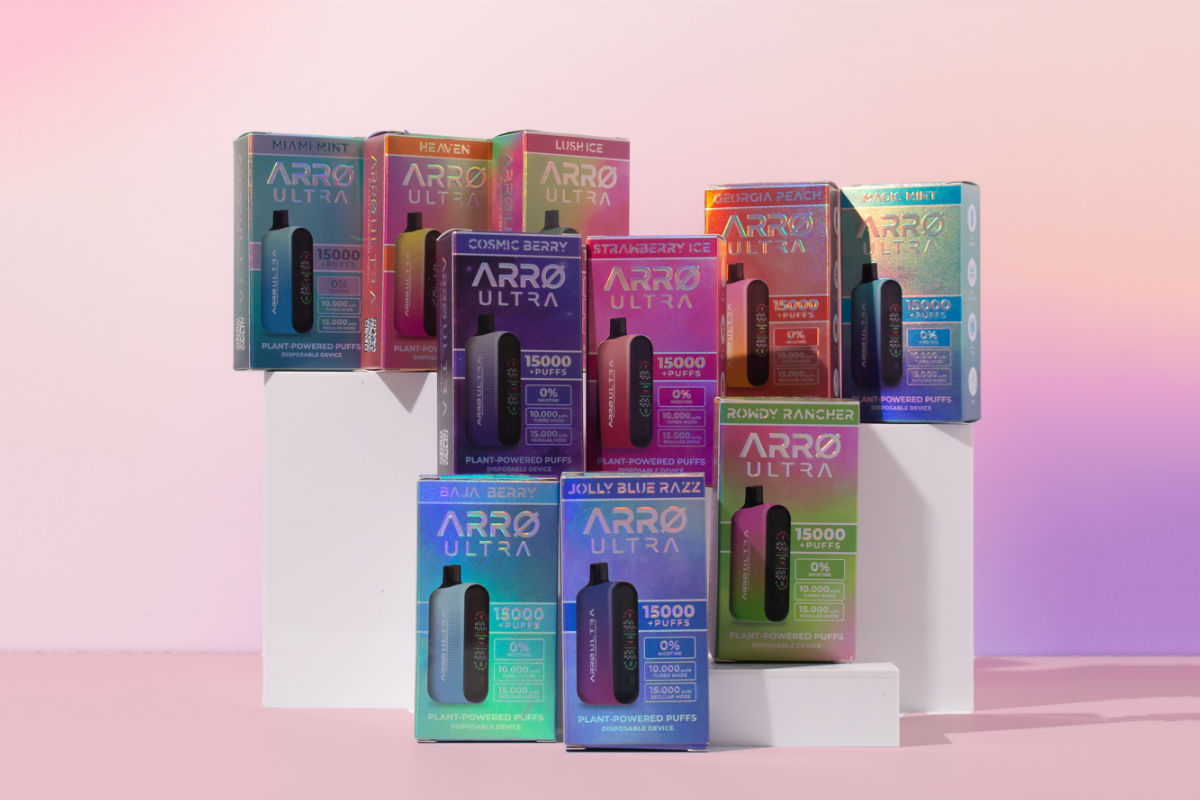
If pouches were doing double duty as your stress reset, the ARRØ Ultra is the swap built for that job. It is a 0% nicotine, plant-powered disposable with up to 15,000 puffs, real flavor extracts, a small screen for battery and juice levels, and a turbo mode for bigger hits.
It keeps the inhale, the throat hit, and the exhale that pouches quietly took over, minus the chemical loop. Same ritual, no nicotine. If your pouch use spikes at 3pm, in the car, or during the first coffee of the day, that is exactly the moment this product was built for.
Honest caveat. ARRØ Ultra is not an NRT, an FDA-approved cessation device, or a cure. It is a swap and a support. What makes it different from most 0% brands is that ARRØ was independent and nicotine-free from day one, not a nicotine company bolting on a “wellness” line. That story shapes the product. The flavor uses vegetable glycerin and real extracts, not essential oils, so it tastes like a real vape instead of a lozenge. People moving away from pods may also want to compare Vuse alternatives across nicotine strength, device format, and nicotine-free options.
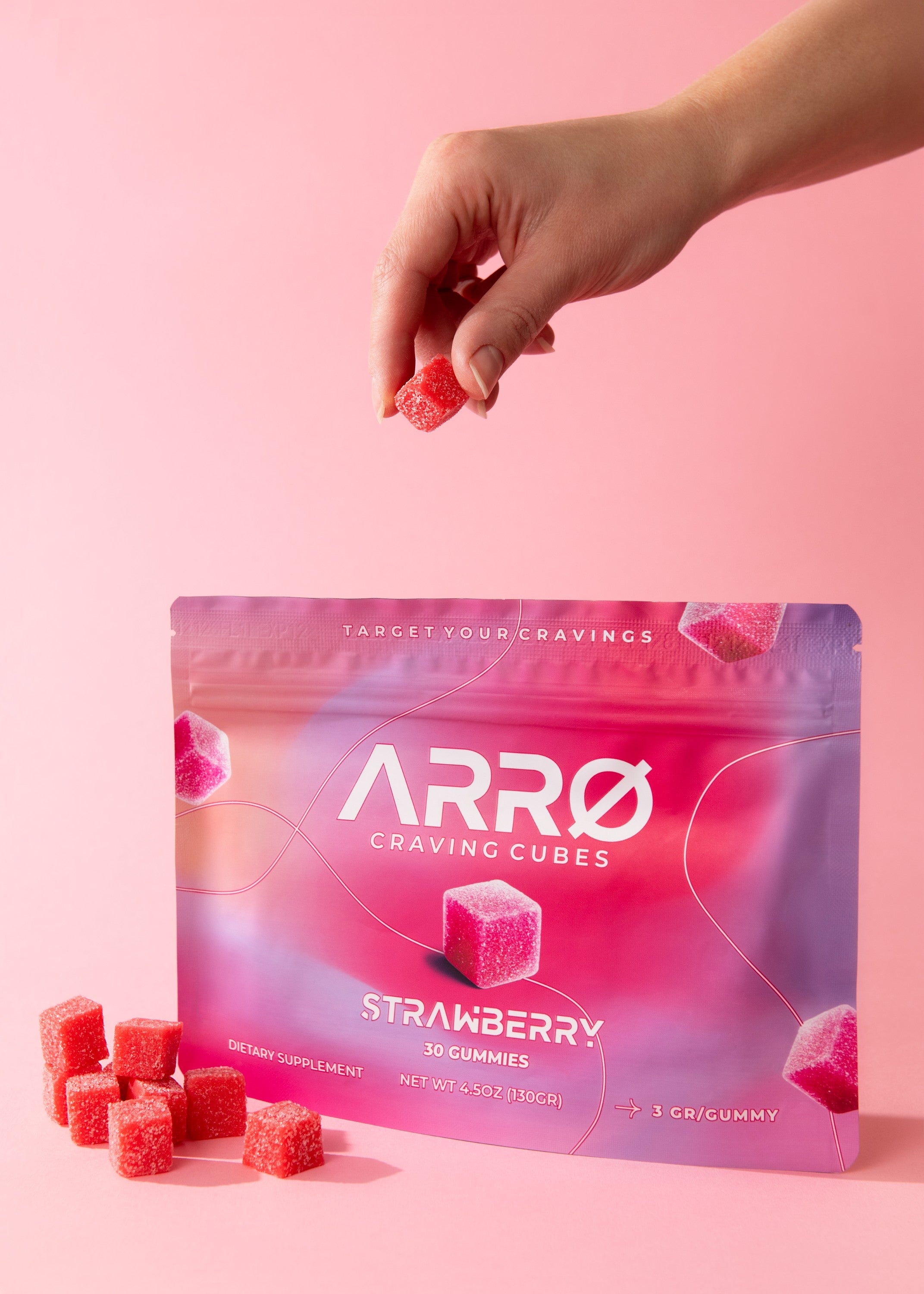
2. ARRØ Craving Cubes: Supplement Gummies for the Hard Moments
Not every craving hits when you can vape. Meetings. Flights. Standing in your kitchen with your kids around. ARRØ Craving Cubes are the non-inhalable option. They are plant-based gummies with Zinc, Magnesium, Rhodiola, and L-Tyrosine, priced around $19.99.
Frame them for what they are. Craving support, not a treatment, not a cure, not medicine. They are one of the few nicotine-free brands to pair an inhalable with a supplement-based craving companion, which matters if your pouch habit spikes in the moments a vape is not an option.
Best used alongside another swap on this list. The Ultra handles the oral ritual. The Cubes handle the harder minutes in between.
3. Nicotine-Free Herbal Pouches
A whole category has appeared under labels like green tea pouches, ginseng pouches, caffeine pouches, and mushroom or nootropic blends. They mimic the pouch format so the mechanical habit stays intact, minus the nicotine.
The upside is real. The tuck, the lip pressure, and the release all get preserved. That helps many people ease off nicotine pouches without changing anything else about their day.
The trade-off is honesty. Many herbal pouches still contain caffeine or nootropic stimulants, so the stimulant loop can quietly carry over into a new dependency. And per the American Cancer Society’s guide to quitting, “natural” alternatives do not automatically mean safe or clinically backed for cessation. Long-term safety data on herbal blends held against gum tissue is thin. Use them as a step, not a landing spot.
4. Nicotine Replacement Therapy (Patches and Gum)
This is the clinical route. Nicotine patches, gum, and lozenges are FDA-approved, backed by decades of research, and covered by most insurance plans. The same CDC guidance referenced earlier notes that NRT roughly doubles a person’s long-term quit success when used correctly and consistently. Nicotine patch reviews can add useful context on effectiveness and side effects for people comparing gradual quit methods. A practical plan for how to quit nicotine combines trigger awareness, withdrawal support, and replacement habits that make the change easier to sustain.
The catch is that NRT still delivers nicotine, and it does not touch the ritual. That is why so many people finish a patch protocol and go straight back to pouches within a few months. The chemical side gets handled. The reach does not.
NRT makes sense when dependency is heavy, when a doctor is guiding the taper, or when it is one leg of a broader plan. Pair it with something on this list that addresses the hand-to-mouth side. NRT alone often leaves that door open.
5. Sugar-Free Gum and Mints
The cheapest and most portable oral-fixation swap on this list. Gum keeps the jaw busy. Mints keep the mouth interested. Both are socially invisible in a meeting or a car.
They will not simulate the nicotine hit, so they work best paired with something that does. Think of gum and mints as bridge tools for the smaller cravings and the transitional moments, not the answer to the big afternoon spike.
6. Cinnamon Sticks, Toothpicks, and Chewable Straws
Zero cost, zero dependency, decades of anecdotal use. Cinnamon sticks in particular replicate the hand-to-mouth cigarette motion, which pouch users miss more than they expect.
Best deployed for specific triggers. After meals. While driving. During long work sessions. Keep a small stash on you before the day starts. If you have to hunt for the swap after the craving hits, you will lose that round.
7. Mindfulness and Craving-Response Apps
The behavioral leg. Apps like Smoke Free and Quit Genius use cognitive behavioral techniques like “craving surfing” and cue exposure, two well-established methods for handling urges without giving in to them.
If your pouch habit is heavily tied to stress, anxiety, or emotional regulation, an app can catch the cravings a physical swap cannot. Track the moments they hit. Learn your triggers. Have a plan for the next one.
Do not lean on an app alone. Pair it with a physical option from items 1 through 6. The app teaches you how to think about a craving. The reach still needs somewhere to go.
What Life Off Pouches Looks Like After Week One
The reach quiets. Not disappears. Quiets. By day 7 to day 10, the constant background hum of “I want a pouch” is usually down to a few specific triggers, the first coffee, the drive home, one work call a day. What was 30 reaches becomes 5.
That is when a new problem shows up. The lighter cravings feel manageable, so people stop carrying their swaps. Then a bad meeting hits at 2pm and the pouch tin is back in the drawer within the week.
The maintainer phase needs a lighter tool, not no tool. Something you can pull out socially without it being a whole ritual. ARRØ’s Water Vapes and Air Vapes collections are the lightest formulations in the lineup, closer to inhaling water vapor or air than a full-flavor disposable, useful once your daily use has dropped from constant to occasional.
The rule for week two and beyond is simple. Keep something on you, even if it is a lighter version. The gap between ‘I do not need it right now’ and ‘I need it and it is not here’ is where relapse still lives.
How to Make the Switch Stick
-
Combine, do not swap one for one. Successful quits almost always pair one physical swap (Ultra, gum, a cinnamon stick) with one support tool (Craving Cubes, NRT, or a behavior app). One product rarely does both jobs at once.
-
Plan for day 3. That is where most quits fold. The nicotine has fully cleared, the novelty of quitting has worn off, and the ritual is still loud. Have your swaps on you before that day starts, not after.
-
Rebuild the ritual so it does not feel like loss. New pocket carry. New coffee-break move. New after-meal cue. The habit does not go away because you told it to. It goes away because something else moved into the space.
What to Reach For When You’re Coming Off High-Strength Pouches
If your daily pouch was a 6mg or higher, the swap has to work harder. High-strength pouches deliver a nicotine hit closer to a cigarette, and the reach shows up more often because the ritual is heavier. A 15,000-puff device can cover a moderate user for a couple of weeks. A heavy user often runs one down inside a week and starts rationing, which is when the pouch tin creeps back into the pocket.
Two things matter for a heavy pouch quitter. A swap that lasts long enough that supply is never the reason you slip. And an airflow that gives you a satisfying draw, so the swap feels like it did the job.
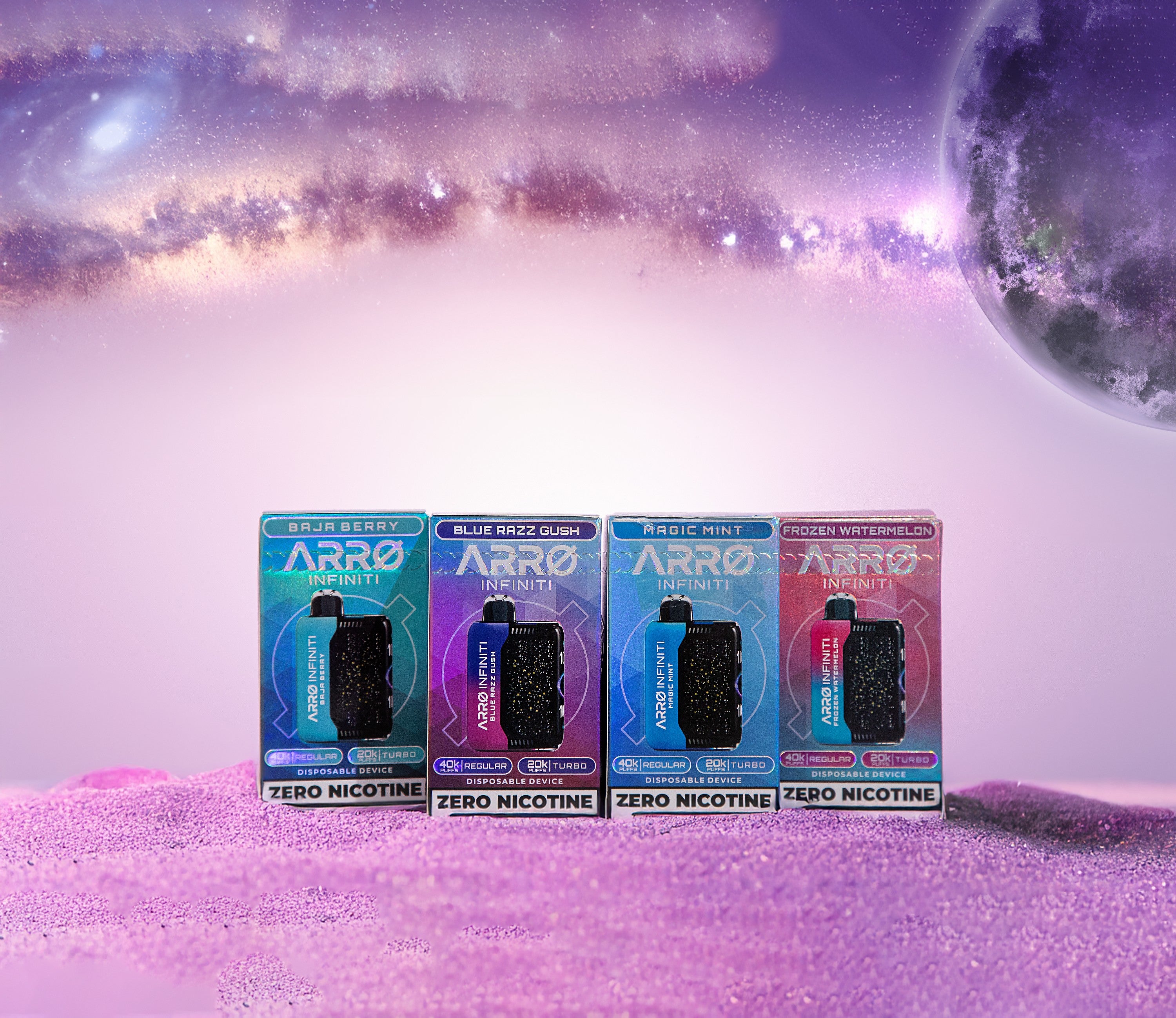
ARRØ Infiniti is the brand’s answer to that use case. Up to 40,000 puffs and adjustable airflow, built for someone whose pouch tin was empty by the weekend and whose stress reset was constant. Use it the way you used the pouches, one deliberate pull when the reach starts, and let the runway do the work.
This is not a treatment or a cessation device. It is a heavier-duty swap for a heavier-duty habit, and it holds up long enough to get you past day 3 without a supply crunch pulling you back.
Frequently Asked Questions
Are nicotine-free pouches safe?
Less studied than nicotine pouches, and that gap matters. Many contain herbal or nootropic ingredients whose long-term effects on gum tissue and oral health have not been rigorously tested. Treat “nicotine-free” as one useful attribute, not a full clean bill of health.
Can I use a nicotine-free vape to quit pouches?
Yes for the ritual side, especially if your pouch use is driven by stress or the hand-to-mouth habit. ARRØ Ultra is built for that swap. It is not a cessation device, but it gives the reach somewhere to go while your body clears the nicotine.
How long do nicotine cravings last?
Individual cravings usually pass in three to five minutes, even the worst ones. The cravings themselves peak in the first week after quitting and taper significantly by week two. Knowing a craving has an expiration date makes it much easier to ride out.
Do herbal alternatives help you quit?
Mixed evidence. They can help by preserving the physical habit while removing the nicotine, but they do not have the clinical backing of NRT. Use them as one tool inside a broader plan, not as a standalone quit strategy.
Take Back the Ritual
Nobody quits pouches by white-knuckling through the 3pm reach. The chemical hit clears in a few days. The ritual, the tuck, the pocket check, the “one more before the drive,” stays for weeks unless something else moves into that space.
ARRØ was built for that space. The Ultra hands the reach a satisfying inhale, exhale, and throat hit with 0% nicotine. Craving Cubes hold the harder minutes when a vape is not an option, a meeting, a flight, a room full of family. Together they cover the two places pouches took over, the automatic reach and the emotional gap it was filling.
Plant-powered, real flavor extracts, no nicotine, no medical claims. ARRØ has been independent and nicotine-free since day one, which is why the products replace the ritual instead of only removing the chemical.
Try the ARRØ Ultra paired with Craving Cubes for a week. See how day 3 lands when the reach has somewhere to go. Take your story back.