Most nicotine patch reviews land in the same place. People like the steady craving control and once-a-day simplicity.
Then the same frustrations show up again and again, including itchy skin, strange dreams, and patches that lift or slide. A patch can take the edge off withdrawal, but it won’t erase every trigger or guarantee a smoke-free result.
Reviews tell you what wearing a patch felt like for one person. Bodies differ. We’ll separate those personal reports from official guidance and research, then look at effectiveness, side effects, everyday fit, and the questions worth taking to a healthcare professional.
Nicotine Patch Reviews at a Glance: The Most Common Verdict
On a good day, the patch is almost boring. You put it on in the morning, get on with work, and spend less time thinking about the next cigarette. Some positive reviewers value that quiet background support more than any dramatic feeling.
There’s nothing to chew, carry, or remember every few hours. The discretion matters too. A patch sits under a sleeve or shirt, so you don’t have to explain every dose or step away from a meeting to use it.
Harder days expose the limits. Sweat can loosen an edge.
Skin may turn red or itchy, and sleep can get weird. And cravings tied to coffee, driving, stress, or an after-dinner routine may still punch through because the patch addresses nicotine withdrawal, not every cue wrapped around smoking or vaping.
Do Nicotine Patches Actually Work?
Nicotine patches can help adults who smoke quit. The FDA lists transdermal nicotine patches among approved over-the-counter forms of nicotine replacement therapy.
The approval matters. A patch supports a quit attempt; it doesn’t decide the outcome by itself.
A Cochrane review covering 68 studies and 43,327 participants found high-certainty evidence that a patch paired with fast-acting NRT, such as gum or a lozenge, improves long-term quit rates compared with one form alone. Ask a clinician or pharmacist first.
Correct use, label-directed dosing, practical support, and your wider quit plan all matter. Reviews can tell you whether the adhesive annoyed someone or the routine felt manageable. Research is what answers the bigger effectiveness question.
How Nicotine Patches Work
How do nicotine patches work? They release nicotine slowly through the skin, producing a steadier level than the sharp peaks linked with smoking or vaping. That steady delivery can ease the background withdrawal that shadows an ordinary day, which explains why reviewers often describe fewer constant urges rather than a sudden sensation.
Speed is the tradeoff. A patch doesn’t recreate the quick sensory effect of inhaled nicotine, so it may feel underwhelming at first.
Follow the package directions from day one. If you’re unsure which strength fits your smoking pattern, medicines, or health history, ask a healthcare professional before choosing.
Is a Zero-Nicotine Vape the Same Kind of Tool as a Patch?
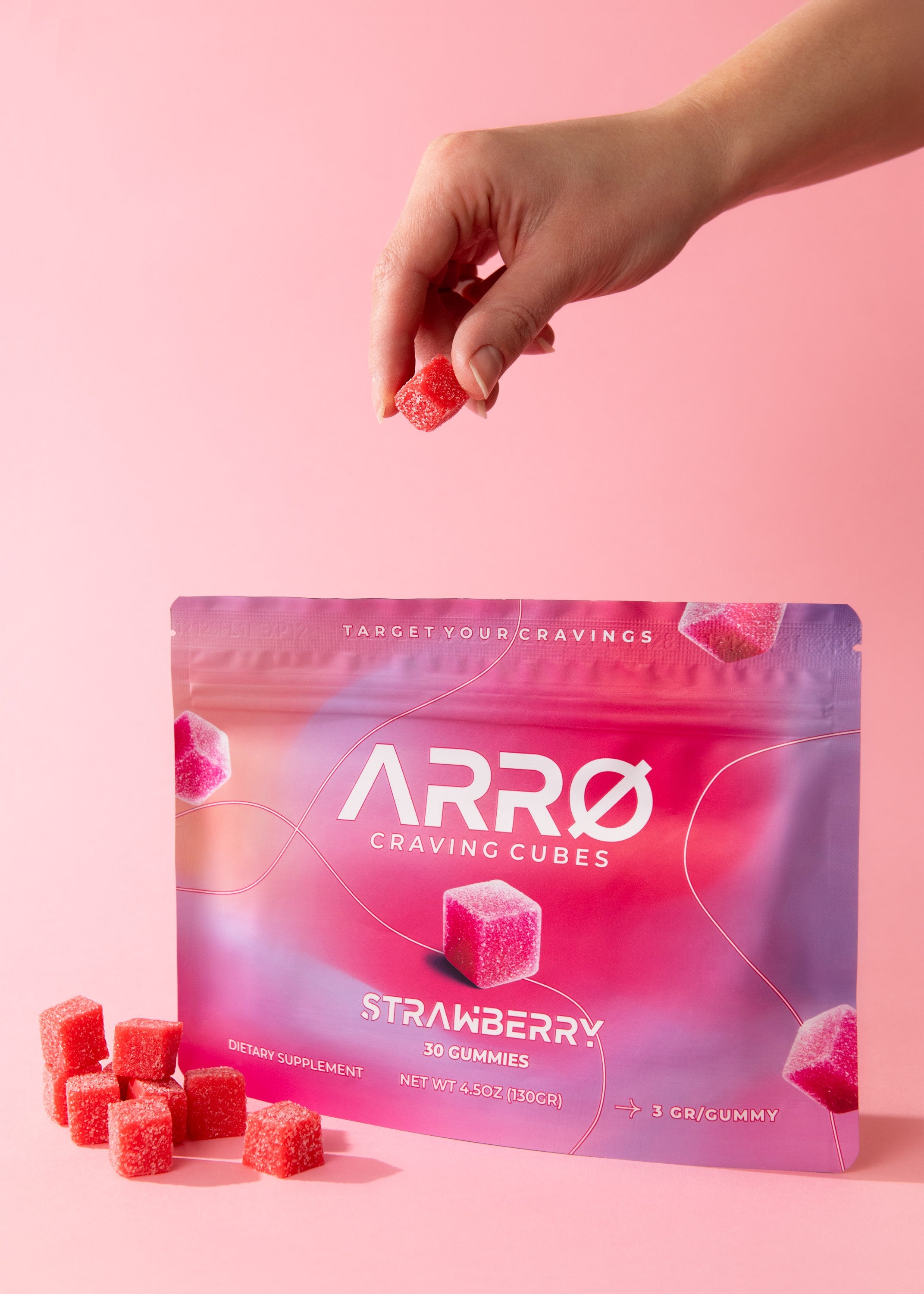
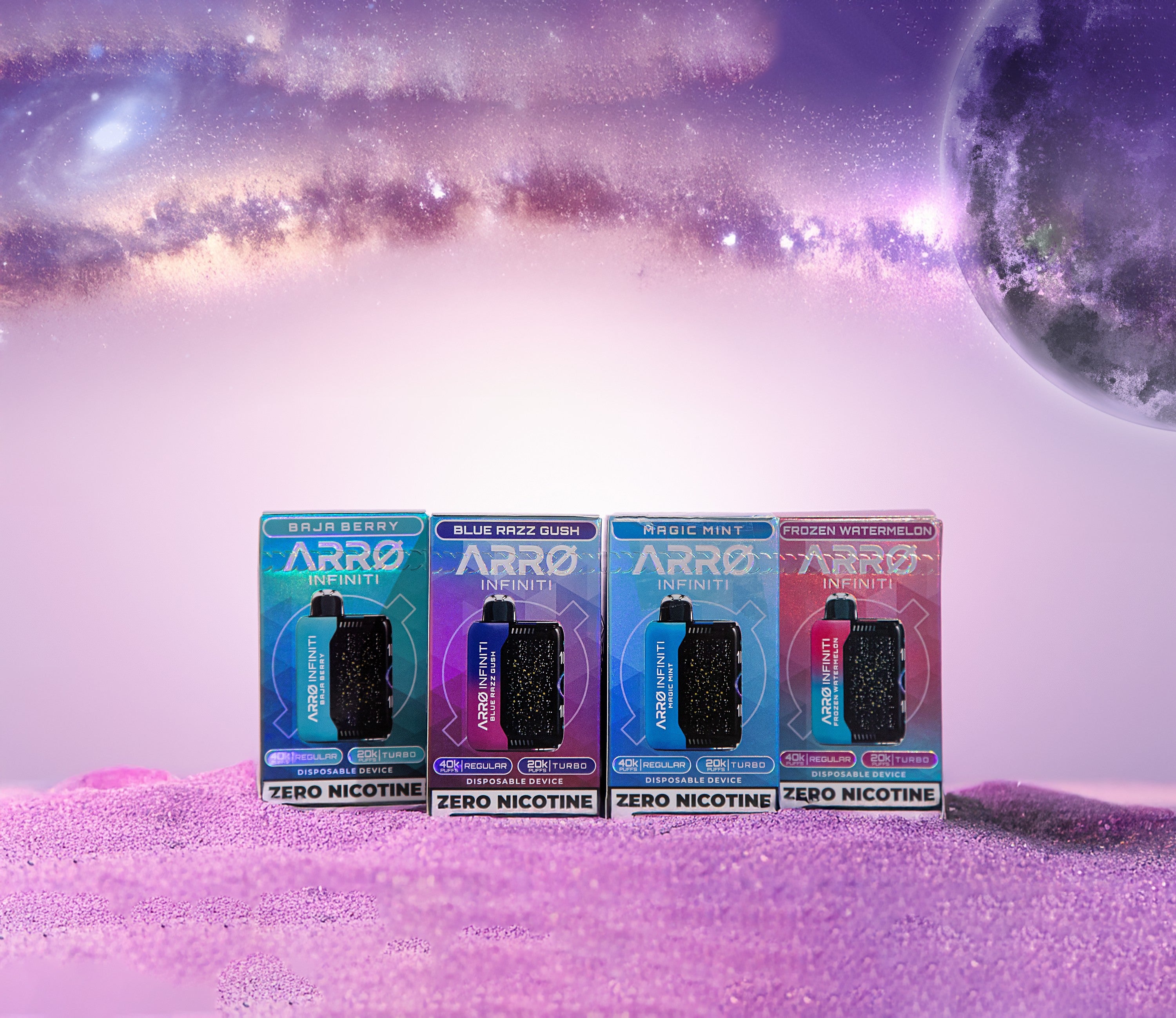
No. A nicotine patch is FDA-approved NRT, and an ARRØ 0% nicotine device is a different kind of support for adults who already smoke or vape. The patch delivers nicotine through your skin. At ARRØ, we make nicotine-free vapes that keep the hand-to-mouth motion, inhale, and exhale. Vegetable glycerin and real flavor extracts help keep the experience familiar without adding nicotine.
Those products answer different needs. Compare a patch by strength, wear schedule, skin comfort, and label directions. Judge any inhaled product by its ingredients, risks, and fit with your quit plan. Our devices are not NRT, not FDA-approved for smoking cessation, and not risk-free. Ask a healthcare professional whether any inhaled product belongs in your plan.
What Reviewers Say About Cravings and Staying Smoke-Free
The first week can feel less consuming. Some reviewers describe more space between thoughts of smoking and making it through a packed workday, a long commute, or dinner without managing gum or lozenges. For someone exhausted by the constant reach, that set-it-and-forget-it format can be a real relief. That experience differs from switching to vapes with less nicotine, which still involves inhaled nicotine rather than label-directed NRT.
Cravings can still break through around meals, alcohol, stress, or time with other smokers. Timelines vary too.
How long do nicotine patches take to work? The patch begins releasing nicotine after application, but another person’s timeline isn’t a safe benchmark for yours. Let the product label guide you.
What Users Like Most About Nicotine Patches
Convenience leads the praise. Apply one patch, wear it under clothing, and move through the day without flavor, chewing, or repeated dosing. For reviewers who disliked gum or lozenges, that low-maintenance routine often feels like the biggest win.
The visible step-down structure helps too. Common patch lines come in several strengths, so a longer plan can feel concrete and trackable when you follow the label or clinician guidance.
Still, a glowing retailer review proves only that one format suited one person. It can’t tell you whether the same adhesive, strength, or wear schedule will suit your skin, your mornings, and the way your day actually unfolds in practice.
Common Nicotine Patch Side Effects and Complaints in Reviews
Skin redness, itching, disturbed sleep, vivid dreams, headache, nausea, and dizziness appear often in nicotine patch reviews. Official CDC patch guidance names several of them. Mild discomfort may be manageable, but severe, persistent, or worrying symptoms need medical advice.
A rough day doesn’t automatically mean the patch caused it. During the first days after cutting back, nicotine withdrawal can disrupt your mood, concentration, sleep, and appetite. A review thread can’t sort that out for you.
A clinician or pharmacist can look at the timing, your dose, your health history, and the symptom itself to help separate an expected adjustment from an adhesive reaction or something unrelated. Timing helps. Note when a symptom started, where you placed the patch, and whether it changed after removal, then bring those details to the conversation.
Skin Irritation, Itching, and Adhesive Problems
Redness, itching, burning, and tenderness at the application site come up in both product guidance and user comments. Prep matters.
Press the patch firmly, then choose a different approved spot the next day. Oily, scarred, irritated, or damaged skin is a poor target.
Nicotine patch adhesion problems can depend on heat, movement, skin preparation, and the adhesive itself. The CDC guidance says to replace one that loosens or falls off. Persistent redness, swelling, a spreading rash, or a suspected adhesive allergy belongs with a healthcare professional who can see the reaction and review the product, not a crowdsourced hack.
Vivid Dreams and Other Nicotine Patch Sleep Problems
Vivid dreams stick in people’s memory because they can feel bizarrely intense. Drugs.com collects moderated Nicoderm CQ reviews that mention them and clearly labels those reports as user-submitted, not clinically verified.
The page can reveal a recurring theme. It can’t estimate your personal risk.
CDC instructions say people with disturbed sleep may remove a 24-hour patch before bed and put on a fresh one the next morning. Follow the directions for your specific product, since a 16-hour patch and a 24-hour patch create different decisions around bedtime, morning cravings, and when a fresh patch should go on.
Unusual dreams aren’t proof that the patch is working. If sleep problems continue, check in with a clinician or pharmacist.
Headache, Nausea, Dizziness, and Dose Concerns
Headache, nausea, dizziness, and restlessness may appear in product warnings or personal reports. Searches for side effects of nicotine patch 21 mg often lead straight into dosing debates.
Somebody else’s reaction is a lousy dosing guide. Don’t cut patches, stack them, or change strength unless the label or a healthcare professional tells you to.
Context changes everything. Your smoking history, other medicines, pregnancy, heart conditions, blood pressure concerns, skin conditions, and planned duration can change what a clinician or pharmacist needs to consider before advising you. Use the label, then ask a clinician or pharmacist about ongoing use or symptoms that won’t settle. Questions about long-term side effects of nicotine patches also deserve clinician guidance, especially if use continues longer than planned.
Which Nicotine Patch Is Best According to Reviews?
Fit varies. Even the best nicotine patch reviews mix people with different smoking patterns, skin sensitivity, expectations, budgets, daily routines, and support plans, so a clean ranking can hide more than it reveals. One person’s five-star adhesive can leave somebody else itchy by lunch.
Use reviews to build better questions. Then compare the details you can verify.
- FDA-approved status and a complete, readable label
- Labeled strength that matches the package directions or professional guidance
- A 16-hour or 24-hour wear schedule
- Patch size, adhesive comfort, and visibility under clothing
- Price per patch and the cost of the planned course
- A return policy in case adhesion or skin comfort becomes a problem
Brand Name vs. Generic Nicotine Patches
Nicotine patch brand reviews, including Habitrol and Equate nicotine patch reviews, show how badly people want a clear winner. NicoDerm CQ, Rugby, Walgreens, Kroger, and other brands draw similar interest. Yet comments often dwell on patch size, stickiness, visibility, packaging, and price more than a consistent difference in craving control.
Brand alone proves little. Check the active ingredient, strength, wear time, warnings, expiration date, package directions, and the exact product details behind the reviews you’re reading. A generic may offer better value.
A particular shape or adhesive may simply feel better on your skin. Reviews can narrow the field.
They can’t make the choice for you. Pay attention to recent reviews that describe the exact strength and package, since a vague comment about a brand may refer to a different product version.
Strength and Wear Schedule Matter More Than a Star Rating
Details matter. Common strengths include 7 mg, 14 mg, and 21 mg, but the right starting point depends on the product directions and how much you currently smoke, not whichever strength earned the highest rating online. If you’re quitting vaping, cigarette-based label instructions may not map cleanly to your nicotine intake, so talk with a healthcare professional.
Wear time changes the rhythm of your day. A 24-hour patch may cover early-morning cravings.
Removing it at night may help some people who struggle with sleep. That choice depends on the product and your situation. Pregnancy, recent heart problems, serious rhythm issues, worsening angina, skin disease, and medication questions all deserve professional guidance.
How to Use a Nicotine Patch More Comfortably
The basics can prevent avoidable problems. Apply one patch exactly as directed, wash your hands afterward, rotate sites, and fold the used patch with the sticky sides together before throwing it away.
Keep new and used patches away from children and pets. Used patches can still contain enough nicotine to make them sick.
If a patch falls off, follow that product’s replacement instructions. If cravings keep breaking through, contact a healthcare professional instead of improvising with extra patches.
Coaching or a quitline can support the rest of the plan, especially when routines and triggers feel tougher than the steady withdrawal. Plan ahead. If the drive home or your first coffee is a trigger, decide in advance what your hands and attention will do. A vape alternative can fill that behavioral moment, but it should not replace clinician-guided care or label-directed treatment. A practical plan for how to quit nicotine combines trigger awareness, withdrawal support, and replacement habits that make the change easier to sustain.
The Best Place to Apply a Nicotine Patch
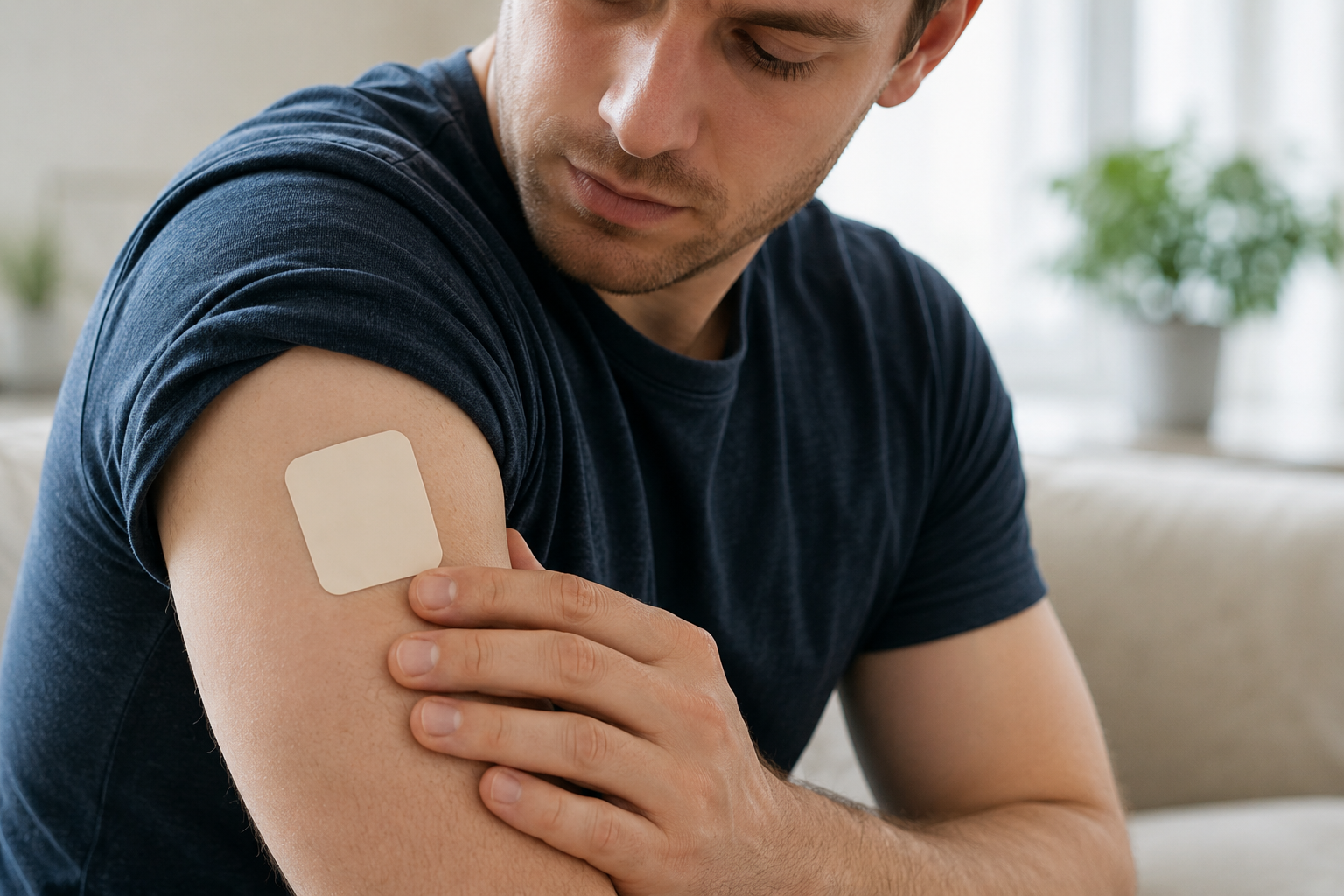
For nicotine patch placement, choose clean, dry, hair-free skin on the upper body, as directed on the label. Common spots include the upper chest, upper arm, shoulder, back, or inner arm. Press firmly across the whole patch so the adhesive makes contact.
Rotate daily. Skip skin that’s oily, irritated, scarred, or damaged. If redness doesn’t settle after removal, or you see swelling, pain, or a serious rash spreading beyond the patch area, stop experimenting and ask a clinician or pharmacist.
Do Nicotine Patches Work for Vaping?
Nicotine dependence can be part of smoking and vaping, but patches are labeled as quit-smoking medicines. CDC guidance for people who use e-cigarettes recommends speaking with a healthcare professional or quitline and confirms that no e-cigarette has FDA approval as a smoking-cessation aid.
E-cigarette aerosol isn’t harmless either. If you’re weighing nicotine-free vape safety, consider the ingredients, device, nicotine concentration, and use pattern as part of the plan.
A patch may quiet some chemical withdrawal. It won’t replace reaching, inhaling, taking a break, or holding something in your hand.
Those learned cues can flare up even when the background cravings feel calmer, which is why a vaping quit plan may need behavioral strategies alongside clinician-guided nicotine support. A separate look at whether zero-nicotine vapes help you quit can clarify where behavioral swaps fit and where evidence is limited. Write down when you vape, what happened just before it, and what you were looking for in that moment. That small record can expose the cues a steady patch can’t touch.
What Patches Do Not Replace: The Hand-to-Mouth Ritual
If the physical routine is what you miss, build alternatives for that moment on purpose. Our guide to oral fixation alternatives covers gum, mints, sipping water through a straw, breathing devices, and other ways to keep your hands or mouth occupied. Pick something that fits the moment instead of pretending the ritual will disappear.
Adults 21 and older who already smoke or vape can consider our 0% nicotine devices for a familiar hand-to-mouth routine. Keep the limits clear.
Our devices are not NRT, are not FDA-approved for smoking cessation, are not risk-free, and do not treat cravings or guarantee quitting. It is one optional behavioral swap, secondary to your quit plan and professional advice.
Use Nicotine Patch Reviews to Choose Your Next Step
Patterns matter more than promises. Plenty of users value steady craving control, discretion, and once-daily use.
Skin reactions, poor sleep, weak adhesion, and breakthrough cravings show up too, sometimes in the same review. Clinical evidence and official directions answer the effectiveness and safety questions that personal stories can’t.
Choose a patch by its label, strength, wear schedule, fit, and professional guidance instead of stars alone. And if the hand-to-mouth ritual stays loud, add behavioral support to your nicotine plan. Adults who already smoke or vape can browse our nicotine-free disposable collection as one optional 0% nicotine route, with the risks and limits kept honest.
At ARRØ, our 0% nicotine disposables keep the familiar inhale and hand-to-mouth routine with vegetable glycerin and real flavor extracts. See how the collection works, then ask a healthcare professional whether any inhaled product belongs in your quit plan.
References
Theodoulou, Alex, et al. “Different Doses, Durations and Modes of Delivery of Nicotine Replacement Therapy for Smoking Cessation.” Cochrane Database of Systematic Reviews, no. 6, 2023, article CD013308.
American Cancer Society. “Nicotine Replacement Therapy to Help You Quit Tobacco.” American Cancer Society, 28 Oct. 2024.
 Cessation Cravings: