




Ever catch yourself biting your nails or chewing the end of a pen? That repeated urge to keep your mouth busy is an oral fixation. It can show up as nail biting, frequent snacking, smoking, or vaping.
For adults who smoke or vape, quitting involves more than nicotine. You may miss the familiar hand-to-mouth motion, mouthfeel, and inhale. A practical replacement should match the part of the ritual that pulls you back.
The best oral fixation alternatives for adults match a specific trigger, motion, or sensory cue. The options below can help you choose a replacement for the moments when the urge shows up.
Why Adults Develop Oral Fixations
An oral fixation is the repeated urge to keep your mouth busy by chewing, sucking, sipping, biting, or inhaling. In adults, common signs include nail biting, pen chewing, frequent snacking, and repeatedly reaching for a cigarette or vape even when nicotine isn’t the only pull.
Stress, boredom, concentration, and familiar routines often trigger the reach. A work break, a long drive, or the restless hour after dinner can connect a feeling with a mouth or hand-to-mouth habit. Spot the pattern first, then choose an oral fixation replacement that matches what you miss.
Best Oral Fixation Alternatives for Adults
Oral fixation products work in different ways. Some replace chewing, some copy the hand-to-mouth ritual, and others add an inhale. Use this quick comparison of common oral fixation devices and solutions to match the motion to your trigger.
|
Option |
Oral motion |
Hand-to-mouth |
0% nicotine? |
Inhalation |
Portable? |
Best trigger |
|
0% nicotine vape |
Mouthpiece and draw |
High |
Yes |
Aerosol |
High |
Existing vaping ritual or oral fixation |
|
Nicotine gum or lozenge |
Chew or dissolve |
Low |
No |
None |
High |
Nicotine withdrawal plus oral motion |
|
Air inhaler |
Draw through mouthpiece |
High |
Yes |
Air only |
High |
Draw or hand ritual |
|
Gum or adult chew tool |
Repeated chewing |
Low |
Yes |
None |
High |
Chewing or sensory urge |
|
Straw or bottle mouthpiece |
Sip or mouthpiece contact |
Medium |
Yes |
None |
High |
Sipping or hand ritual |
|
Fruit or sunflower seeds |
Chew and crunch |
Medium |
Yes |
None |
Medium |
Boredom or snacking urge |
Oral Fixation Smoking Alternatives
Looking to leave cigarettes behind? Oral fixation smoking alternatives include nicotine-free vapes, nicotine gum or lozenges, and non-inhaled options such as straws or chew tools. Each replaces a different part of the cigarette ritual.
Nicotine-Free Vapes
Quitting smoking involves more than nicotine. The throat hit and hand-to-mouth ritual can be harder to give up than expected. Nicotine-free vapes can act as a hand-to-mouth fixation replacement for adults who already smoke or vape. ARRØ devices are 0% nicotine and tobacco-free. Flavor and mouthfeel shape the sensory experience. Questions about whether they keep the cravings under control deserve a closer look before you choose one.
If you’re looking for somewhere to start, ARRØ offers a familiar format with 0% nicotine. Our nicotine-free vapes use real flavor extracts and are tobacco-free. They keep the inhale, exhale, and hand-to-mouth motion without claiming to be a quit aid or a risk-free option.
ARRØ nicotine-free vapes come in flavors such as mint, citrus, and berry. Pick the flavor and mouthfeel you prefer, and read what zero-nicotine vapes can and cannot do before deciding whether this kind of swap fits your routine.
Shop ARRØ’s nicotine-free vapes
Nicotine Replacement Therapies
FDA-approved nicotine replacement therapies (NRTs) include nicotine gum, lozenges, patches, nasal spray, and prescription inhalers. Gum and lozenges can keep your mouth occupied while delivering nicotine for withdrawal symptoms. Commercial nicotine pouches are different. They contain nicotine, but they are not NRT and shouldn’t be described as quit-smoking medicines.
If oral motion matters most, gum or lozenges may feel more familiar than a patch. A pouch uses the tuck-under-the-lip ritual, but that same pattern can be hard to leave behind. That’s why some adults look at nicotine pouch alternatives that focus on the ritual instead.
Follow the product label or a clinician’s guidance. The American Cancer Society says nicotine gum is commonly used for 6 to 12 weeks and may be used for up to 6 months. If the choice is continued gum or returning to smoking, the organization notes that continued gum can be preferable.
Oral Fixation Vaping Alternatives
What if you want to give up vaping? If you’re putting down a fruity disposable, our guide to Geek Bar alternatives lines up devices that keep the ritual without nicotine. Compare broader alternatives to vaping when you want to move away from the device completely. Oral fixation vaping alternatives include pressurized-air inhalers, sugar-free mints, hard candy, and lollipops. The best vape alternative depends on whether you miss the draw, the flavor, or simply having something in your hand.
Which oral fixation replacement keeps the full vaping ritual?
For adults who already smoke or vape, a nicotine-free device can keep the draw, mouthfeel, inhale, and hand-to-mouth motion together. ARRØ Ultra is one example. It has 0% nicotine, no tobacco, real flavor extracts, and a display for battery and liquid levels. Regular and turbo modes let you choose the draw that feels closer to your routine. It still creates aerosol, isn’t a proven quit aid, and isn’t risk-free. Non-users shouldn’t start.
Pressurized Air Inhalers
Pressurized-air inhalers such as Capnos and QuitGo copy parts of the vaping ritual without creating vapor. You draw flavored air through the device, which may suit adults who miss the pull more than the cloud. If Capnos is on your list, seeing how Capnos holds up next to Ripple+ can make the trade-offs clearer.
FÜM uses a similar flavored-air format, and the wider field of Fum vape alternatives includes both non-vapor devices and nicotine-free options that do create aerosol. Flavored air vapes usually refers to the second category. If you want neither a cloud nor aerosol, a pressurized inhaler is the closer match.
Draw strength and mouthfeel vary, and Fum customer reviews show why preference differs from person to person. Some devices add flavored cores, a noticeable pull, or bite caps for adults who tend to chew on the mouthpiece. Treat those as sensory features, not evidence that the device changes cravings.
These oral fixation devices are portable and keep the hand-to-mouth ritual in play. They don’t contain nicotine or create aerosol, but that doesn’t make them proven quit aids.
Sugar-Free Breath Mints or Hard Candy
A sugar-free mint or hard candy can keep your mouth occupied when chewing isn’t the main urge. Lollipops add hand-to-mouth motion but can be a choking hazard, so don’t use them while driving or lying down.
Breath mints are small, portable, and easy to keep nearby. Sugar-free hard candy dissolves slowly. Lollipops add the hand-to-mouth motion of bringing something to your lips. Sugar-free means less added sugar than the regular version, but the product label still matters.
Some sugar-free candy and gum use xylitol. The American Dental Association notes that chewing sugar-free gum increases saliva and may help reduce cavity risk when it supports, rather than replaces, normal oral care.
Keep xylitol products away from dogs. The ASPCA warns that xylitol can cause low blood sugar and liver injury in dogs.
Oral Fixation Chewing Alternatives
Some oral fixations show up as repeated chewing. You might bite your nails, chew a pen, or catch the inside of your cheek. Gum, adult chew tools, and toothpicks can replace the jaw and mouth movement, but each comes with different safety concerns.
Things to Chew on Besides Gum
Sunflower seeds can slow the rhythm down because you handle one at a time. Sliced apples, berries, or other firm fruit add crunch. A piece of licorice gives you a longer chew. Check labels for allergens and added sugar, and don’t chew or swallow seed shells. Sticky candy can cling to teeth, so keep up your normal oral care.
A purpose-built adult chew tool is a better choice than a pen cap or improvised plastic. Follow the maker’s instructions, inspect it for damage, and replace it before pieces can break off. A clean straw or reusable bottle mouthpiece works when the habit is more about sipping and hand-to-mouth movement. Skip any item small enough to create a choking risk.
Sugar-Free Chewing Gum
Sugar-free gum gives your jaw a repeatable motion and can keep your mouth occupied. Choose a texture and flavor you won’t tire of, and stop if chewing causes jaw or dental discomfort.
The supported dental benefit is more specific. Chewing sugar-free gum increases saliva and may help reduce cavity risk when used alongside brushing and cleaning between teeth. It doesn’t replace normal oral care.
Chewable Jewelry
Chewable jewelry, often called “chewlery,” gives adults a purpose-built surface for repeated chewing. Choose a product made for adult use, follow its care instructions, and replace it at the first sign of damage.
Adult chew tools come as pendants, bracelets, and handheld pieces in firm or flexible textures. Pick a size that cannot be swallowed, inspect it often, and avoid improvised items such as pen caps or zipper pulls.
Toothpicks
Toothpicks are portable and can copy the feeling of holding something between your lips, but chewing them can splinter the wood or injure your gums. Never walk, drive, or lie down with one in your mouth.
If you use a flavored toothpick, follow the label and throw it away once it starts to fray. Keep it out of reach of children and pets, and choose another option if you tend to bite hard or swallow small pieces.
Hand-to-Mouth Fixation Alternatives
Nicotine-free vapes copy the hand-to-mouth motion of smoking, but adults who want no aerosol can choose a straw, bottle mouthpiece, breathing device, or toothbrush. A hand-to-mouth replacement for vaping works best when it matches the part of the ritual you repeat most. Current smokers can compare smokeless vape pens. The options below suit people who want to skip inhalation entirely. Adults who don’t smoke or vape shouldn’t start.
Resistance Breathing Devices
Resistance breathing devices such as the Komuso Shift give your hands and mouth a repeated action without nicotine or aerosol. They can be used as a cue to pause and practice slow breathing, but the device itself doesn’t treat anxiety or cravings.
Deep breathing is the useful part. Mayo Clinic lists breathing, movement, trigger planning, and support among practical ways to respond to tobacco cravings. A device may make the routine easier to remember, though a clean straw can serve as a simpler breathing cue.
Don’t put pen components or small DIY parts in your mouth. They can crack, splinter, or become a choking hazard. If you use a purpose-built device, follow the manufacturer’s cleaning and safety instructions.
Toothbrushes and Mouthwash
Brushing your teeth or using mouthwash can interrupt a temporary oral routine and leave a strong minty sensation. Fans of menthol cigarettes may find that feeling familiar.
Brushing your teeth creates a clear pause when the urge to smoke or vape appears. The minty taste can mark the end of a meal or another routine that used to lead to smoking.
This habit supports oral care and gives you a clean break in the routine without adding nicotine or aerosol.
Food and Drink Oral Fixation Alternatives
Some food and drink options keep your mouth busy while adding hydration or nutrients. Inhaled products don’t belong in this category, including healthy vape pens, a relative label for nicotine-free devices with short ingredient lists rather than a health benefit.
Healthy, Crunchy Snacks
If snacking keeps your mouth busy, choose foods that add crunch without turning the habit into mindless eating. Celery, apple slices, and carrot sticks are portable options you can portion ahead of time.
Pair vegetables or fruit with nut butter, hummus, or yogurt if you want more flavor. Check labels for allergens and added sugar.
Nuts and seeds add a slower, repeatable motion. Portion them before you start, check allergy labels, and discard sunflower seed or pistachio shells instead of chewing them.
Water and Tea
Water gives you a simple sipping motion without nicotine or aerosol. A straw or reusable bottle mouthpiece adds the hand-to-mouth movement that some adults miss.
Keep a bottle nearby in the places where you usually reach for a cigarette or vape. Sip slowly when the urge appears, and treat the bottle as a routine cue rather than a cure for cravings.
Herbal tea or fruit-infused water adds flavor when plain water feels too dull. Choose unsweetened options when added sugar matters to you, and pick a temperature that is comfortable to sip.
Tips for Choosing the Best Oral Fixation Replacement
Compare oral fixation solutions based on the motion, setting, and trigger you need to address. Use these factors to narrow the options.
Match the Replacement to Your Trigger
Start with the moment that sends your hand moving. If you miss chewing, try sugar-free gum, crunchy fruit, sunflower seeds, or an adult chew tool. If you miss flavor or mouthfeel, mints, tea, fruit-infused water, or a bottle mouthpiece may fit better.
For the hand-to-mouth ritual, a straw, pressurized-air inhaler, or nicotine-free vape can copy more of the motion. Adults who already smoke or vape may consider the last option. Non-users shouldn’t start. Stress or boredom may respond better to a walk, slow breathing, a fidget, or an activity that keeps both hands busy.
Nicotine withdrawal is a separate trigger. FDA-approved NRT such as gum or lozenges may help with withdrawal. Oral fixation alternatives address the routine around it. Match the tool to the trigger, and ask a clinician or quit-support service if withdrawal feels hard to manage.
Can you pair an oral habit swap with a non-inhaled option?
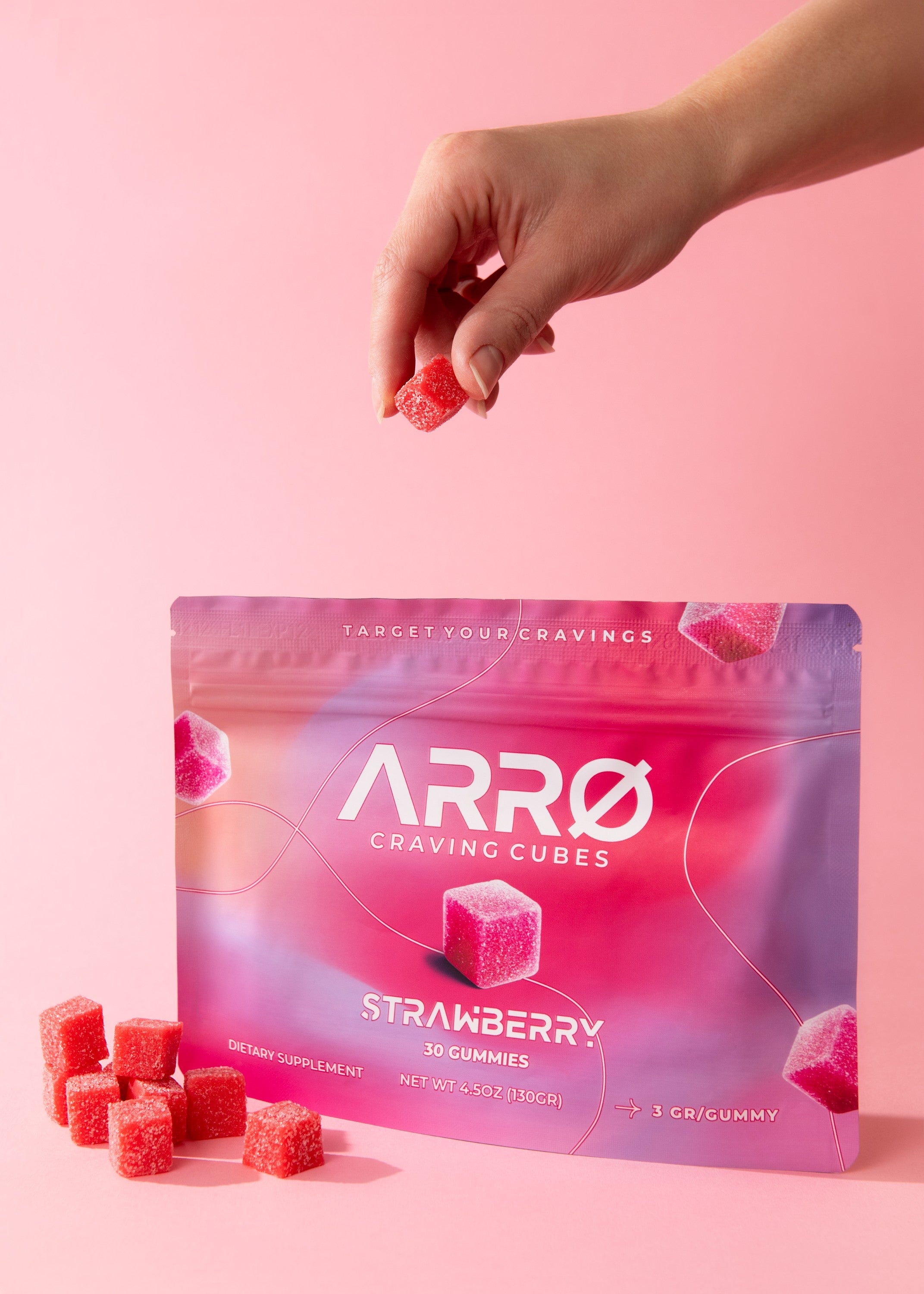
You can pair an oral habit swap with a non-inhaled product when different triggers show up at different times. ARRØ Craving Cubes offer a chewable, 0% nicotine format with rhodiola, magnesium, zinc, and L-tyrosine. They can add mouth movement without an inhale, but they are a support product, not NRT or a medical treatment. Follow the label, and ask a clinician about nicotine withdrawal if it feels hard to manage.
Convenience
Choose an option you can safely carry and use in the situations that trigger the habit. Nicotine-free vapes and pressurized-air inhalers are portable, but they suit adults who already smoke or vape. Snacks, tea, and bottle mouthpieces may work better at home. Keep more than one option ready for different settings.
Sensory Experience
Prioritize alternatives that copy the behavior you’re trying to stop. Gum or a purpose-built chew tool can replace jaw movement. A straw or mouthpiece copies the reach. For adults who already smoke, nicotine-free vapes preserve the hand-to-mouth motion and inhale. Some people see them as excellent substitutes for cigarettes, but no vape should be framed as safe, healthy, or proven to help people quit.
Health Impact
Compare the risks and practical benefits of each option. Food and water can add nutrients or hydration, but sugary or sticky snacks may work against your oral health goals.
Be careful with claims that any device is safer than cigarettes. The American Lung Association notes that the FDA has not found any e-cigarette safe and effective as a quit aid. ARRØ products are 0% nicotine, tobacco-free, and intended only for adults who already smoke or vape. They aren’t a risk-free option, and non-users shouldn’t start.
Long-Term Sustainability
Choose an alternative you can use through the rough moments. A portable option may work on a commute. Snacks or a bottle mouthpiece may fit better at home. Follow the label or clinician guidance for nicotine gum or lozenges.
The long-term goal may be to rely on these tools less often. Track when the urge shows up, adjust the replacement, and give yourself room to change strategies without calling one rough day a failure.
Tips for Breaking an Oral Fixation Habit
Replacing the behavior with a lower-risk option can make an oral fixation easier to manage. If the habit still feels hard to control, try these practical techniques.
Keep Your Hands Occupied
Give your hands a specific job when they would normally reach for your mouth. Knit, crochet, doodle, fold origami, work on a puzzle, or squeeze a stress ball.
Carry a fidget, smooth stone, or coin when you leave home. Avoid small objects if you tend to put them in your mouth, and choose something easy to clean.
Address Triggers
Stress, anxiety, boredom, and uncomfortable situations can all set off the reach. Oral habits may become self-soothing routines when your hands are idle or the day drags.
Notice when your own pattern starts. A short walk, slow breathing, or another absorbing activity can give the urge somewhere else to go. Mayo Clinic recommends planning for triggers and building support when you’re quitting tobacco. If boredom is the trigger, keep a short list of things you can do for ten minutes until the feeling shifts.
Seek Professional Help
Talk with a therapist if the habit feels tied to distress, anxiety, or another emotional trigger. A professional can help you explore the pattern and choose coping strategies that fit your needs.
The old psychoanalytic explanation for oral fixation has limited support. A clinician can assess the behavior and discuss approaches such as mindfulness or cognitive behavioral therapy (CBT) when they fit your situation.
Oral Fixation FAQs for Adults
These common questions can help you match an adult oral fixation alternative to the habit, motion, or trigger you want to replace.
What Can Replace the Oral Fixation of Cigarettes?
The best oral fixation smoking alternatives copy the part you miss most. Gum or lozenges cover mouth movement, a straw or pressurized-air inhaler covers the hand-to-mouth ritual, and FDA-approved NRT can address nicotine withdrawal. Adults who already smoke may consider a 0% nicotine vape, but it shouldn’t be treated as safe or proven to help people quit.
What Can I Chew on Besides Gum?
Try sliced apples, carrots, sunflower seeds, or a purpose-built adult chew tool. Avoid pen parts and other small improvised objects, and check food labels for allergens or added sugar.
How Do You Satisfy an Oral Fixation?
Match the replacement to the motion. Sip through a straw, crunch fruit, use a bottle mouthpiece, keep your hands busy, or practice slow breathing. The best option is the one that fits the trigger without creating a new risk.
When Should an Adult Seek Professional Support?
If you’re trying to stop an oral fixation and the behavior damages your teeth or skin, feels compulsive, or is tied to distress, talk with a dentist, therapist, or clinician. Professional support can help you address the habit without guessing at the cause.
Find Oral Fixation Alternatives That Fit Your Routine
Plan for the ritual side of quitting before the hard moment arrives. Notice the trigger and keep a few oral fixation alternatives ready, so one automatic reach doesn’t decide the rest of your day.
Your options might include crunchy snacks, a bottle mouthpiece, a breathing routine, FDA-approved NRT, or a 0% nicotine vape if you already smoke or vape. No single replacement works for everyone, and none should be treated as a guarantee.
The right swap gives the automatic reach somewhere else to go. If you already smoke or vape and miss the full ritual, ARRØ keeps the hand-to-mouth motion, inhale, and flavor with 0% nicotine and no tobacco. Our devices use real flavor extracts instead of an essential-oil format, so you can compare a familiar vape experience without adding nicotine. Start with the draw and flavor that fit your trigger. Then keep a no-aerosol option nearby for moments when you want a different kind of support.
Looking for somewhere to start? Check out our collection of zero-nicotine disposable vapes here. ARRØ products are for adults 21 and older who already smoke or vape.