
An herbal diffuser pen is not always the same thing as a vape. Some are passive inhalers with no battery, heat, or aerosol.
Others heat a liquid or botanical blend into an aerosol, which makes their basic mechanism much closer to vaping. The product name alone cannot tell you which one you are holding.
If you are 21 or older and already smoke or vape, compare the mechanism first. Only then should you check the ingredients, nicotine statement, testing, and whether the ritual actually fits the way you live.
A nicotine-free label answers one question. It does not automatically tell you how the device works or whether inhaling it is risk-free.
Herbal Diffuser Pen vs Vape: Quick Answer
Some herbal diffuser pens are passive inhalers that pull room air through a flavored medium. Others use a battery and heat to create an inhaled aerosol, much like a vape.
Nicotine is a separate issue. Before choosing, check for a battery, heating element, aerosol, full ingredient list, product testing, and the experience you actually want.
In This Guide
- What the term “herbal diffuser pen” can mean
- How passive pens, heated diffusers, and vapes work
- The side-by-side differences that matter
- What safety claims can and cannot tell you
- How to choose a device for your goal
- Where ARRØ fits in the comparison
First, Check What “Herbal Diffuser Pen” Means
“Herbal diffuser pen” is a marketing label, not a dependable technical category. One brand may use it for a simple, unpowered inhaler. Another may use the same words for a battery-powered aromatherapy vape pen that heats a formulation and produces a visible cloud.
That naming mess explains the contradictions. One review calls diffuser pens vapor-free. Another describes a coil, vegetable glycerin, and an aerosol.
Both labels may appear on legitimate products, which is why the fine print deserves a closer look. They just do not cover the same mechanism.
The word “smoke” adds another wrinkle to product searches. A truly passive pen should create none of that smoke, vapor, or aerosol in the first place.
Heated pens can create aerosol clouds without any material burning. If a seller still calls it smoke, ask what the device heats and whether the brand publishes its complete formulation.
Ask three quick questions. Does the device have a battery? Does it heat a liquid or another material before you draw through the mouthpiece?
Does it create an aerosol or visible cloud that you inhale? If the answers are yes, you are looking at a vape-style aerosol device. The packaging may lean on words like “herbal,” “natural,” or “diffuser,” but the mechanism matters more. If a listing calls itself a “herbal diffuser pen with smoke,” verify whether “smoke” really means aerosol from a heated device. That broader comparison should include Elf Bar alternatives for readers weighing disposable nicotine and nicotine-free options.
For examples of how these categories overlap, compare these vapor-free and diffuser-style alternatives.
Passive Herbal Inhaler
A passive herbal inhaler has no battery, heating coil, or e-liquid. Your draw pulls room air across a flavored, botanical, or aromatic medium, then carries the taste or scent to your mouth and nose. No aerosol comes from the device.
The experience is usually subtle. Expect little or no visible exhale, no warm vapor, and no vape-style throat hit. The value is the hand-to-mouth object and breathing ritual, which may appeal if you want more distance from the look and feel of vaping.
Still, verify the product. Some brands call heated devices “diffusers,” so the name is not proof that a pen is passive.
Heated Herbal or Aromatherapy Device
A heated herbal diffuser uses a battery to warm a liquid or other formulation. Depending on the product, that blend may contain essential oils, botanical extracts, flavorings, water, vegetable glycerin, propylene glycol, or proprietary ingredients. A product sold as an essential oil vape pen belongs in this heated category if it uses a battery and produces aerosol.
The heat creates an aerosol for direct inhalation. That is the key overlap with a vape. The ingredient story may differ, but both devices use power and heat to turn a formulation into something you breathe into your lungs.
Natural language cannot settle the safety question. It may describe where an ingredient came from or how the brand positions it. Neither “plant-based” nor “natural” proves that the finished formulation has been tested for repeated direct inhalation.
Does ARRØ Use Essential Oils or Vape Liquid?
ARRØ uses vape-style liquid, not an essential-oil diffuser blend. The brand lists vegetable glycerin, propylene glycol, and real flavor extracts in its 0% nicotine, tobacco-free formulation.
That makes ARRØ easier to classify. It is a nicotine-free vape that creates aerosol, so compare it with other heated vape-style products rather than passive herbal inhalers. For shoppers comparing a plant-based vape with a passive inhaler, ARRØ belongs on the heated side of the chart. A practical plan for how to quit nicotine combines trigger awareness, withdrawal support, and replacement habits that make the change easier to sustain.
How Herbal Diffuser Pens and Vapes Work
Mechanism matters because it tells you what the device adds to the air you inhale. A passive pen only redirects room air through a medium. A heated diffuser or vape creates an aerosol, which is a suspension of small liquid or solid particles in air.
That aerosol counts as smoke only if material is burning, but it is more than clean water vapor. The difference sounds technical, but the clues sit in plain view. A battery, coil, tank or pod, warm output, and a visible cloud all point toward an aerosol-producing device.
What Happens in a Vape
A vape battery powers a heating element. The element warms e-liquid, and the resulting aerosol travels through the mouthpiece when you draw. You inhale it, then exhale part of it as a visible cloud.
The FDA’s overview of e-cigarettes explains that e-liquids commonly include flavorings, propylene glycol, vegetable glycerin, nicotine, and other ingredients. Not every vape contains nicotine, but the battery, heater, liquid, and aerosol sequence remains the defining pattern.
Removing nicotine changes the formulation and removes the ingredient responsible for nicotine dependence. It does not turn the aerosol into air. That distinction is central when comparing a nicotine-free vape with a passive herbal pen. The same mechanism check matters when vaping essential oils or other alternative blends.
What Happens in a Diffuser Pen
With a passive diffuser pen, your draw pulls air across the internal medium and carries aroma or flavor to your mouth and nose. Nothing heats up, and the device does not generate its own aerosol.
With a heated diffuser pen, the flow is much closer to vaping. In other words, a battery heats a formulation and creates an aerosol that you pull into your mouth and lungs. Some products use lower-power heating or different ingredients, but a lower temperature does not automatically establish safety.
This is why the honest answer begins with the hardware. Identify the actual mechanism before comparing ingredients, effects, or relative risk.
Herbal Diffuser Pen vs Vape: Side-by-Side Differences
The clearest comparison is between a passive herbal pen, a heated herbal diffuser, and a vape. Product details vary, especially in the diffuser category, so use this as an identification guide rather than a substitute for the label and manufacturer information. An herbal vape pen can land in either the passive or heated column, so the product name does not replace the hardware check.
|
Feature |
Passive herbal pen |
Heated herbal diffuser |
Vape |
|
Battery |
No |
Yes |
Yes |
|
Heat |
No |
Yes |
Yes |
|
Aerosol |
No |
Yes |
Yes |
|
Typical ingredients |
Botanical or flavored medium |
Oils, extracts, carriers, flavorings |
PG, VG, flavorings, nicotine or 0% |
|
Nicotine possible |
Check the label |
Check the label |
Yes, or 0% nicotine |
|
Visible cloud |
None |
Varies, often yes |
Usually yes |
|
Throat hit |
Little or none |
Varies by product |
Usually more noticeable |
|
Flavor range |
Usually subtle |
Varies by blend |
Often broad and stronger |
|
Discretion |
High, no cloud |
Varies |
Lower when clouds are visible |
|
Best-fit goal |
Distance from vape feel |
Aroma with vape-style mechanics |
Keep the familiar vape ritual |
The decisive question is whether the device heats a formulation into an inhaled aerosol. If it does, its operating principle overlaps with vaping. Then look at what the aerosol contains, whether nicotine is present, and how transparent the manufacturer is about testing.
Skip puff-count comparisons until the categories match. A passive pen may measure use in breaths, flavor cores, or days. A heated disposable may publish an estimated puff count based on brand testing, but that figure alone reveals little about safety or value.
Ingredients and Nicotine
Passive pens may contain botanical material, flavor compounds, essential oils, or another aromatic medium. Heated herbal pens often add water, glycerin, propylene glycol, extracts, or flavorings so the formulation can aerosolize. Vape liquids follow a more familiar recipe of propylene glycol, vegetable glycerin, flavorings, and either nicotine or no intentionally added nicotine. If a listing uses the phrase “essential oil diffuser vape pen,” check for those same carrier ingredients and a heating element.
Neither “herbal” nor “vape” tells you whether nicotine is present. Look for a clear nicotine statement and a full ingredient list. If a brand discloses only broad phrases such as “proprietary wellness blend,” you do not have enough detail to make a confident comparison.
A zero-nicotine label deserves the same careful reading. CDC’s e-cigarette guide notes that some products marketed as containing 0% nicotine have been found to contain nicotine. That finding does not mean every zero-nicotine product is mislabeled, but it reinforces the value of ingredient disclosure and reputable manufacturing.
Heat, Aerosol, and Sensory Experience
A passive pen is usually quiet, cool, and discreet. There is no warm draw or visible cloud, and the flavor tends to feel lighter. For someone trying to break from the identity and sensory pattern of vaping, that distance may be the point.
A heated diffuser or vape feels more familiar. You may get warmth, a stronger flavor, throat sensation, and a visible exhale. That can matter if the inhale and exhale are the part of the ritual you miss most. This is the familiar experience a nicotine-free disposable vape is designed to preserve, without intentionally added nicotine.
Each experience serves a different purpose. A heated device keeps more of the vape ritual.
A passive pen strips away the warmth, throat hit, and cloud. Let your goal decide which tradeoff makes sense.
What If You Want to Keep the Vape Ritual Without Nicotine?
A nicotine-free vape makes the closest sensory swap if you want to keep the draw, flavor, throat feel, and visible exhale without intentionally added nicotine.
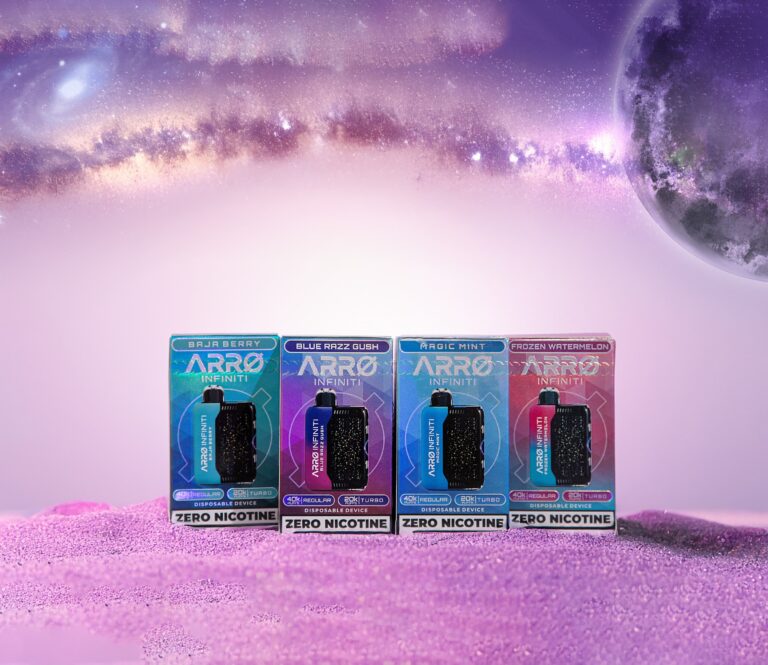
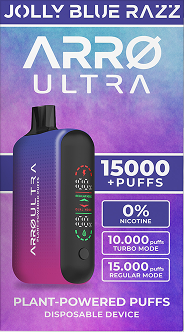
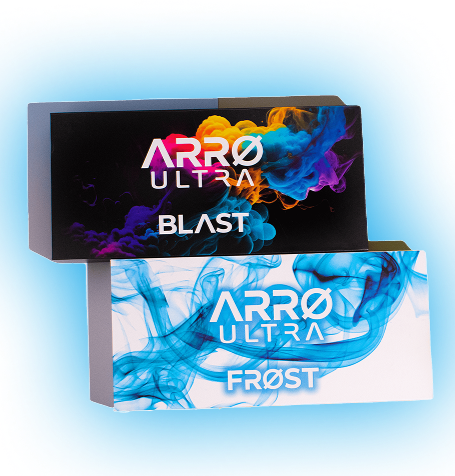
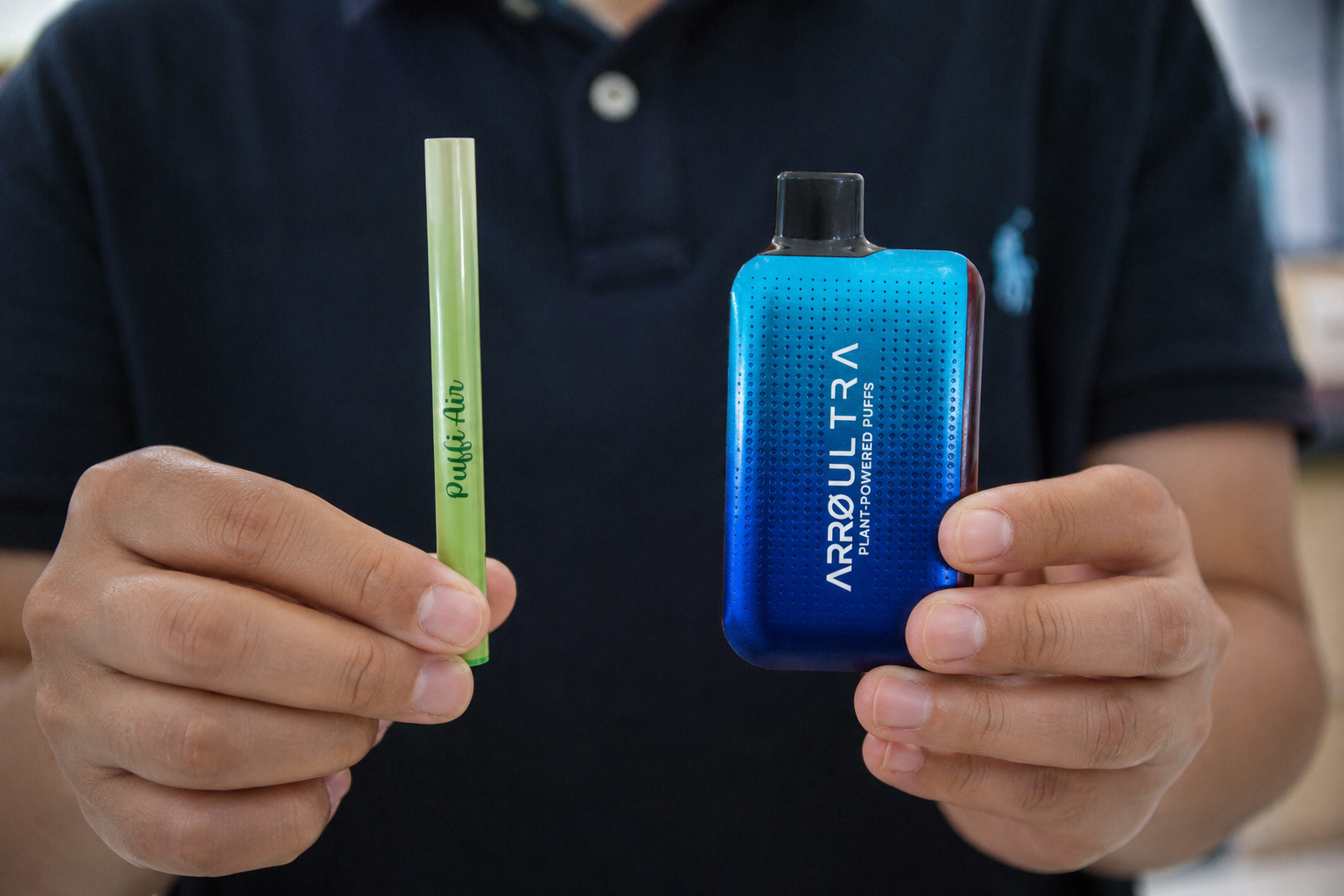
ARRØ is built for that fit. Ultra offers an everyday vape-style draw with a turbo mode for more intensity, and Infiniti adds adjustable airflow for more control.
A passive herbal pen serves a different goal. It keeps the hand-to-mouth motion but drops the warm aerosol and cloud, which lets you choose based on the ritual you want to keep.
Are Herbal Diffuser Pens Safer Than Vapes?
The label alone is not enough to answer. A passive device creates no aerosol, which makes it materially different. A heated herbal diffuser should not be assumed harmless simply because it is nicotine-free or marketed as natural.
The CDC explains that e-cigarette aerosol is not harmless water vapor and may contain small particles, volatile compounds, metals, flavorings, and other substances. The FDA says e-cigarette use is not risk-free and calls for better long-term research.
Evidence is thinner for essential-oil vapes and other alternative flavored inhalables. The American Lung Association describes essential-oil vape pens as battery-operated devices that heat a mixture into an inhaled aerosol. A peer-reviewed commentary on alternative flavored inhalables highlights the evidence gap and the need for more research on inhalation exposure and marketing claims. That gap is why claims about the side effects of vaping essential oils should be treated cautiously and tied to product-specific evidence.
Temperature claims deserve care too. “Low heat” may sound reassuring, but heat can change a formulation and the resulting aerosol.
Without product-specific emissions data, a lower setting is not enough to call one heated device safe. It is one design detail, not a complete risk assessment.
That uncertainty does not call for panic, a dramatic response, or an instant judgment about every product. It is a reason to reject absolute promises. No responsible comparison can call every diffuser pen safe, every vape equally risky, or every natural ingredient appropriate for the lungs. A careful guide to safer vape choices should explain those limits instead of naming a universal winner.
Why “Natural” Does Not Mean Risk-Free
An ingredient can be familiar in food, fragrance, or room diffusion without having the same evidence for repeated direct lung inhalation. Route matters. So do dose, particle size, contaminants, the temperature used, and any new compounds formed during heating.
Think of “natural” as a sourcing description, not a safety rating. It does not tell you how much of an ingredient is present, how cleanly the device heats it, or what independent testing supports the finished product. The question “is vaping essential oils safe?” cannot be answered by a “natural” label.
The same caution applies to the word “herbal.” A transparent label helps, but it is only the starting point for evaluating a product. A comforting adjective is not a substitute for evidence.
How to Evaluate a Specific Product
Before buying, inspect the exact product in front of you. A responsible manufacturer should clearly explain the device and its ingredients. When deciding where to buy nicotine-free vapes, start with sellers that clearly identify the manufacturer and product formulation.
- Check the mechanism, including the battery, heating element, liquid, pod, or passive airflow.
- Look for a complete ingredient list rather than vague wellness language.
- Find a clear nicotine statement and treat it separately from the mechanism.
- Review independent reports or certificates when they are available.
- Confirm the manufacturer has a real company identity and reachable support.
- Expect clear 21+ sales and marketing controls.
- Reject detox, lung-healing, and guaranteed quitting promises.
Reject claims such as “FDA approved,” “clinically proven,” “heals lungs,” or “guaranteed to help you quit.” If you have respiratory concerns, ask a qualified healthcare professional who knows your history. Herbal diffuser pen reviews are useful only when they disclose the exact mechanism, ingredients, and evidence behind safety claims.
Which Is Better for Your Goal?
There is no universal winner. Your best fit comes down to what you want to keep.
That may be the familiar draw and cloud or simply something to hold when the constant reach kicks in. Ingredient transparency and honest claims still matter either way.
If the hand-to-mouth motion is the main thing you miss, both categories may give you something to reach for. If vapor, flavor, and throat sensation matter, a passive pen may feel too subtle. If the sight and feel of vaping are what you want to leave behind, that same subtlety may be an advantage.
Explore other oral fixation alternatives when you want options that do not involve inhaling a heated aerosol.
Think about the moments that usually pull you back toward nicotine. During a quiet work break, you may care most about using something discreetly without drawing attention from everyone nearby.
On a night out, that familiar draw can become hard to ignore. The best-fit product should match your plan without asking you to trust claims the manufacturer cannot support. If you already use these products, compare vape alternatives by the cues you want to keep or remove.
Adults who do not already smoke or vape should not start using an inhaled product for wellness, flavor, or stress relief. This guide is for adults 21 and older already navigating that routine.
Choose a Passive Herbal Pen If
A passive pen may fit if you want a hand-to-mouth object without a battery, heated liquid, visible cloud, or vape-style throat hit. It creates more separation from the look and feel of vaping and gives your hands and breathing a simple ritual.
Choose only after the product clearly discloses its passive mechanism and ingredients. Skip brands that blur the difference between aroma, aerosol, and smoke or make unsupported medical and wellness promises.
Choose a Nicotine-Free Vape If
A nicotine-free vape may fit if you already vape and want to preserve the draw, flavor, visible exhale, and familiar hand-to-mouth pattern and leave intentionally added nicotine out. It is the closer sensory match.
Go in with clear expectations. Nicotine-free does not mean risk-free, and a vape is not an FDA-approved quitting medicine simply because you use it as a personal swap or stepping stone. The safety of nicotine-free vaping still depends on the device, formulation, manufacturing, and how it is used.
Where ARRØ Fits
ARRØ is a battery-powered nicotine-free vape. It is neither a passive inhaler nor an essential-oil diffuser. That plain category statement matters because you deserve to know what kind of product you are comparing. If a roundup promises the “best essential oil vape pen,” verify that it identifies an oil-based heated device before comparing it with ARRØ. For readers new to this category, a nicotine-free vape starter kit explains the basic device, flavor, and usage choices before comparing brands.
ARRØ states that its formulation is 0% nicotine and tobacco-free, with vegetable glycerin, propylene glycol, and real flavor extracts. The brand says it leaves out diacetyl, formaldehyde, and vitamin E acetate.
Those are product facts from ARRØ. Even so, an ingredient list cannot turn inhaled aerosol into something harmless.
The practical benefit is familiarity. ARRØ keeps the inhale, exhale, flavor, and hand-to-mouth ritual for adults moving away from nicotine who are not ready to give up every part of the routine at once. It gives the constant reach somewhere to go, without promising to do the quitting for you.
ARRØ Ultra and Infiniti as Vape-Style Options
ARRØ reports up to 15,000 puffs for Ultra, its flagship everyday option. The device has a battery and liquid display plus a turbo mode for a stronger sensory experience. The screen tracks supply, and Turbo adjusts intensity.
ARRØ Infiniti is the longer-run option, with brand-reported capacity of up to 40,000 puffs and adjustable airflow. The higher capacity means fewer device changes for someone who already knows a vape-style format fits their routine.
Both are clearly vape-style devices. That transparency is more useful than trying to squeeze them into a passive “diffuser” category. If you are comparing formats, start with ARRØ Infiniti and Ultra based on how long you want the device to last and how much control you want over the draw. For a no nicotine vape, compare the same device-life and draw-control details rather than relying on the category label alone.
Frequently Asked Questions
Are diffuser pens the same as vapes?
Not always. Passive diffuser pens rely on airflow and create no aerosol. A heated diffuser pen can work on the same basic principle as a vape, so check for a battery, heating element, liquid or formulation, and visible aerosol.
Are herbal diffusers just vapes?
Some are, and some are not. A heated herbal diffuser may be a vape-style aerosol device, but a passive herbal inhaler uses airflow only. “Herbal” describes the claimed ingredients or positioning, not the mechanism.
Are diffusers safe for your lungs?
It depends on the type of diffuser and what you inhale. A room diffuser is different from a personal device made for direct inhalation, and no heated aerosol should be called harmless. Ask a healthcare professional for personal guidance if you have a respiratory condition or health concern. The same answer applies if a seller calls the product a “herbal pen diffuser.”
Do herbal diffuser pens contain nicotine?
Many are marketed as nicotine-free, but the phrase “herbal diffuser pen” does not guarantee nicotine content. Review the full ingredient list, the nicotine statement, and any independent testing. Nicotine status and aerosol mechanism are separate questions.
Choose the Mechanism, Not the Marketing Label
In the herbal diffuser pen vs. vape decision, start with what the device actually does. Decide whether it is passive or heated, then compare the ingredients, nicotine statement, testing, sensory fit, and the quality of the claims. That process gives you more useful information than the words “natural,” “herbal,” or “diffuser” ever could.
Changing a nicotine routine is personal. You do not need hype or shame, just a transparent product and a clear reason for choosing it. ARRØ gives you a clear place to start. Compare Ultra’s everyday format with Infiniti’s adjustable airflow and brand-reported capacity of up to 40,000 puffs, then choose around the draw and device life you want. If you want to keep the familiar vape ritual and leave nicotine out, explore ARRØ’s nicotine-free vape collection and compare the format that fits your routine. 0% nicotine, 100% you.
 Cessation Cravings: