It’s day three on a fresh Fum core, and the flavor is already thin. You draw again, harder, and it’s mostly wood. So you stand in the kitchen with the same question that sends most people searching for Fum vape alternatives. Buy another three-pack, or find something that actually lasts more than a couple days.
Fum is not bad. It is a wooden or steel flavored-air inhaler with no battery, no nicotine, and no vapor. For a specific reader, that is exactly enough. For a lot of other people, the flavor fade, the subscription friction, and the price per core are the reasons they land on a page like this one.
Here is the short answer. The strongest Fum vape alternatives in 2026 include ARRØ (a plant-powered nicotine-free vape with real vapor), MELO Labs (0% nicotine disposables with a functional angle for sleep or energy), and CAPNOS Zero (a smoke-free, battery-free inhaler that mimics Fum’s format at a lower price per use). The rest of this article ranks eight options, explains what to look for, and shows the real customer review data for each pick so the ranking is grounded in something you can verify. Readers focused on pod systems can also compare NJOY alternatives by nicotine content, convenience, and nicotine-free availability. Readers comparing disposable formats may also consider Lost Mary alternatives with nicotine-free and nicotine options.
Why People Are Looking for a Fum Vape Alternative
Most people searching for Fum alternatives are not new to this category. They have already spent money on the device, tried a few cores, and hit one of three walls. Flavor fades faster than the packaging suggests. The subscription friction feels like a second gym membership. Or the cost per core adds up to more than they wanted to spend on air.
There is a fourth wall too, and it is the one competitors skip. Fum does not produce vapor. That is a feature for the reader who wants the ritual and nothing else. It is a dealbreaker for the reader who misses the hit, the throat feel, the exhale you can actually see. Those readers are not asking “what is like Fum.” They are asking what else does the nicotine-free thing without stripping the ritual down to its bones.
Is Fum vape good for you? That depends on which reader you are. If the ritual alone is enough and price and lifespan are not concerns, Fum works. If any of the walls above are your reason for reading this, keep going.
What Actually Makes a Good Fum Vape Alternative
Before ranking, it helps to have a filter. Every brand below can be judged against the same criteria, and every reader should apply the ones that matter for their quit. Ingredients, format, honest customer data, real cost of use, and fit for what you are actually trying to do. That is the frame for the rest of the article and for shopping any nicotine free diffusers in 2026. If you are comparing nicotine disposables instead of flavored-air devices, our guide to Geek Bar alternatives uses the same criteria. That broader comparison should include Elf Bar alternatives for readers weighing disposable nicotine and nicotine-free options. For readers new to this category, a nicotine-free vape starter kit explains the basic device, flavor, and usage choices before comparing brands. Budget comparisons should also account for how much a vape costs across disposable, pod, and reusable formats.
Real Vapor or Just Flavored Air
Fum is flavored air. No vapor, no throat hit, no visible cloud. Some readers want that. Others want the parts of the vape experience they actually miss, which is the pull and the exhale.
If the reader wants an experience closer to a real vape, brands like ARRØ and MELO Labs use vegetable glycerin and produce real vapor. If the reader wants the flavored air vape lane, with the ritual but no inhaled particles, Capnos, Xhale, and Fum itself sit there. Neither is wrong. Pick the one that matches what you actually miss about vaping, not what you think you should miss.
Ingredient Transparency and Zero Nicotine
Zero nicotine is the point of the category. That said, “zero nicotine” is not the whole story. The stronger question is what else is in there.
What to check for on any Fum alternative: full ingredient disclosure on the site, no diacetyl, no vitamin E acetate, and no hidden nicotine analogs like tobacco-free nicotine or synthetic salt. Ingredients matter for a reason the CDC’s EVALI page documents clearly. Unlabeled additives in inhaled products caused thousands of hospitalizations at the peak of the outbreak. Any nicotine free vape alternatives worth trying will disclose the formula in plain language and stay away from the flagged compounds.
Real Customer Reviews, Not Brand Marketing
Third-party review data is the closest thing to unbiased signal in this category. Look at Trustpilot ratings, Judge.me review counts on a brand’s own store, and ratings on independent retailer sites like Vape Juice Depot.
Every brand’s on-site rating skews positive by nature. Volume and pattern matter more than the number alone. A 4.9 across 12 reviews is noise. A 4.6 across more than 6,000 reviews is real signal. A 3.5 across 591 reviews with a consistent flavor-fade complaint is also real signal, in the other direction. The ranking below shows the specific numbers for each brand so you can see the pattern for yourself.
Price Per Use, Not Just Sticker Price
Fum’s starter kit runs roughly $33 to $47 depending on the material, and a three-pack of cores runs $7 to $10 at a reported two to three day lifespan per core. Do the math at typical daily use and you land somewhere between $30 and $50 per month in cores alone, on top of the initial device.
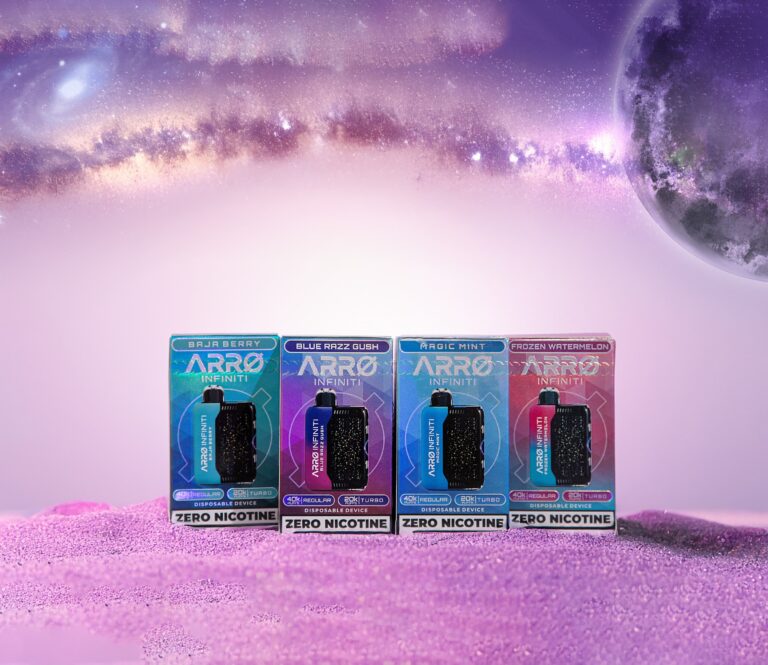
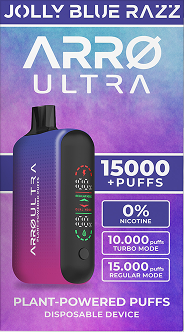
Compare that with disposable pricing. ARRØ Ultra runs $15.99 to $24.99 per device with up to 15,000 puffs. ARRØ Infiniti runs in a similar range with up to 40,000 puffs. MELO Air disposables sit in a similar sticker-price range. This section is not about which is cheapest. It is about the difference between what a device costs on the shelf and what it actually costs to use.
Use Case Fit
Not every reader is trying to do the same thing. Some are stepping down from nicotine and want a swap that feels close to their old vape. Some already quit nicotine and want a nicotine-free social hit for the moments cravings resurface. Some are further along and want out of inhalation entirely. Nicotine patch reviews can add useful context on effectiveness and side effects for people comparing gradual quit methods.
Nicotine-free vapes and flavored-air inhalers cover the swap crowd. Non-inhaled options cover the readers ready to drop the ritual entirely. The ranked list below covers both lanes to help you find the best nicotine free vape for your fit without buying twice.
The 8 Best Fum Vape Alternatives in 2026
Ranked by fit for the widest slice of readers searching this term. Every entry gets a paragraph on what it is, a paragraph on customer review sentiment with real numbers where they exist, and a Best For and Watch For pair to close.
1. ARRØ (Best Overall for Nicotine-Free Vaping)
 Yeah, this is the ARRØ blog. Yes, we put ARRØ first. Here is what backs that up.
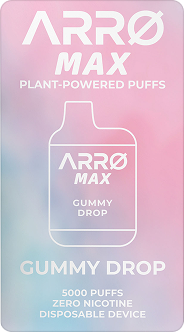
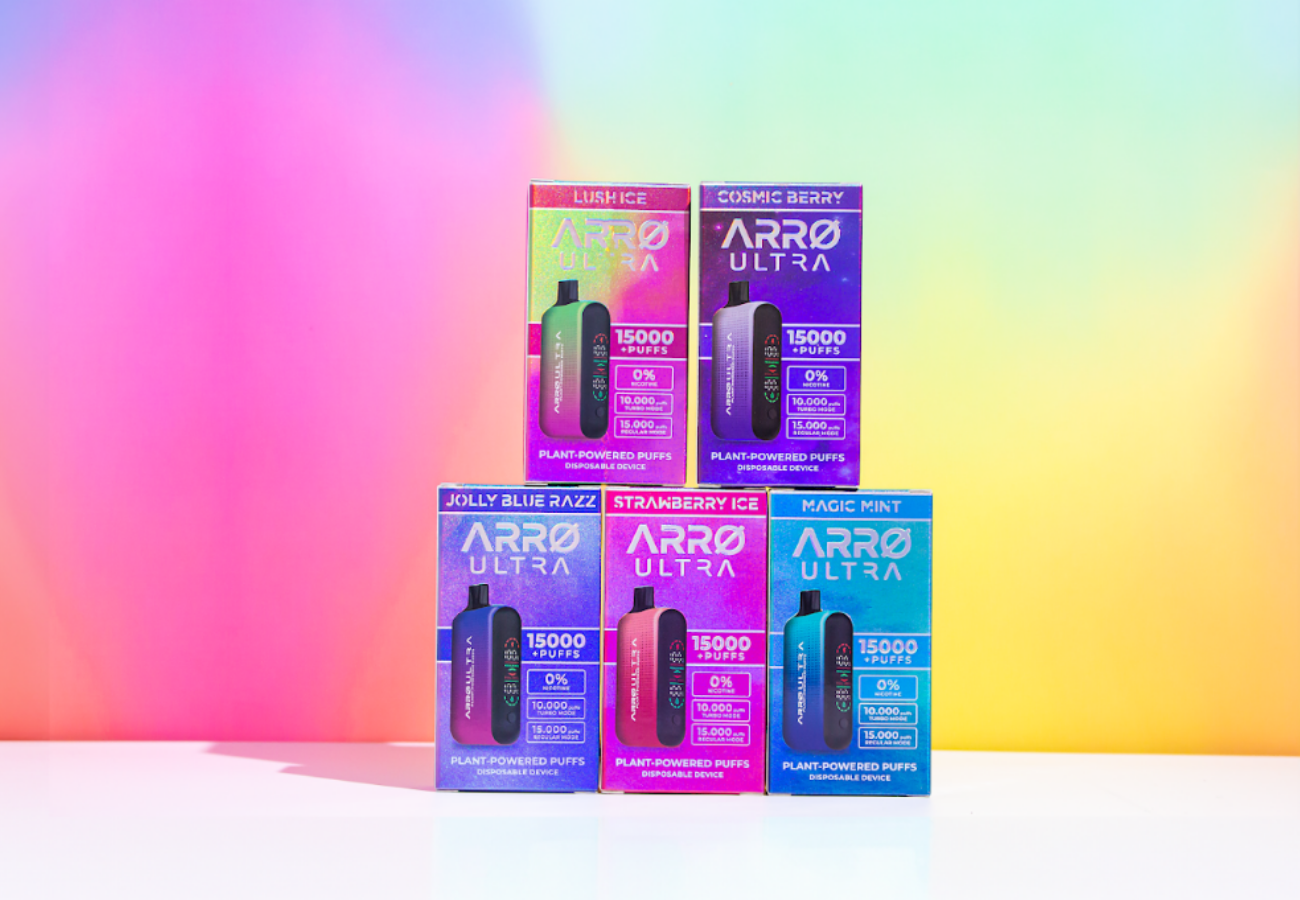
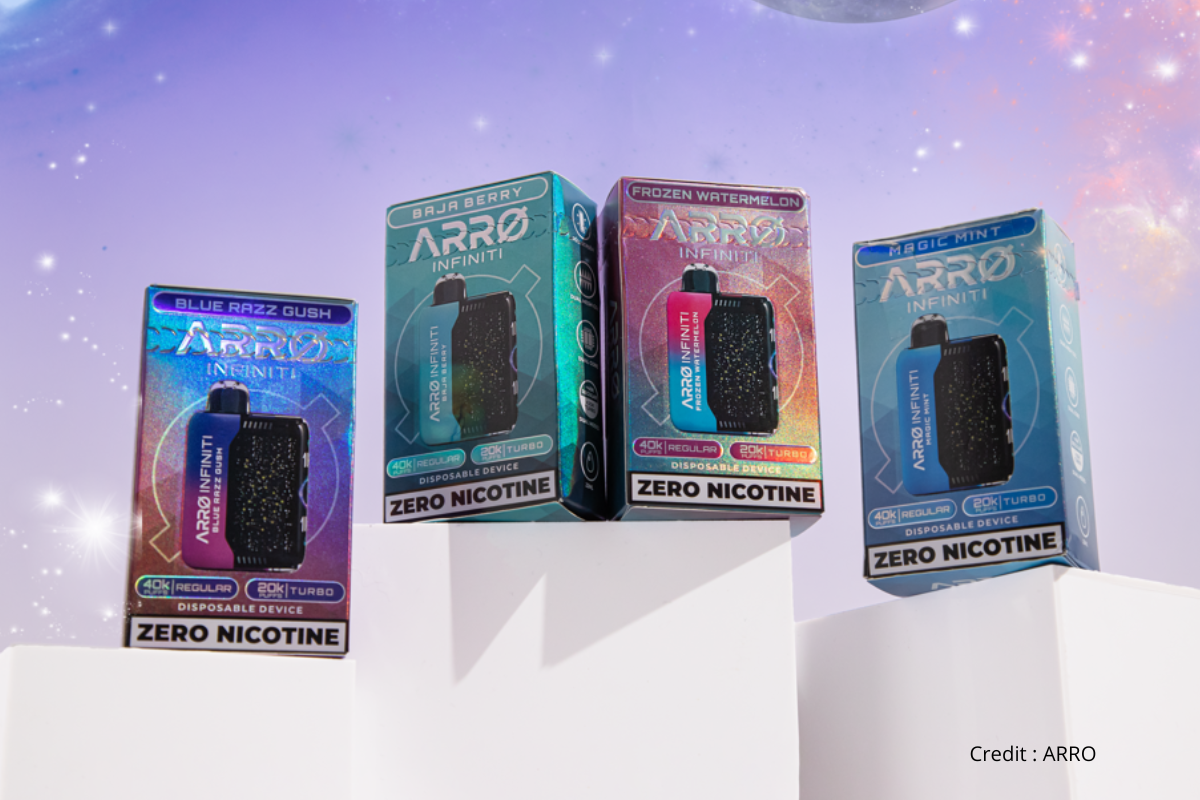
ARRØ makes plant-powered, 0% nicotine disposables with real flavor extracts and a vegetable glycerin base. ARRØ Ultra runs up to 15,000 puffs with a turbo mode and a screen for battery and juice levels. ARRØ Infiniti runs up to 40,000 puffs with adjustable airflow, the longest runway in the nicotine-free category. Every device is tobacco-free, plant-powered, and free of diacetyl, formaldehyde, and vitamin E acetate. ARRØ was independent and nicotine-free from day one, not a nicotine brand’s afterthought line.
On third-party review data, the ARRØ Infiniti listing on Vape Juice Depot shows 4.66 out of 5 across 101 verified reviews as of publication. That is a retailer number, not an on-site number, so it does not carry the “brand-reported” caveat that on-site ratings do.
- Best For: readers who want the full vape ritual (real vapor, real throat hit, real flavor) without any nicotine.
- Watch For: readers who want the flavored-air, no-vapor experience Fum is built around should look at Capnos or Xhale instead.
2. MELO Labs (Best Nicotine-Free Vape With Functional Angle)
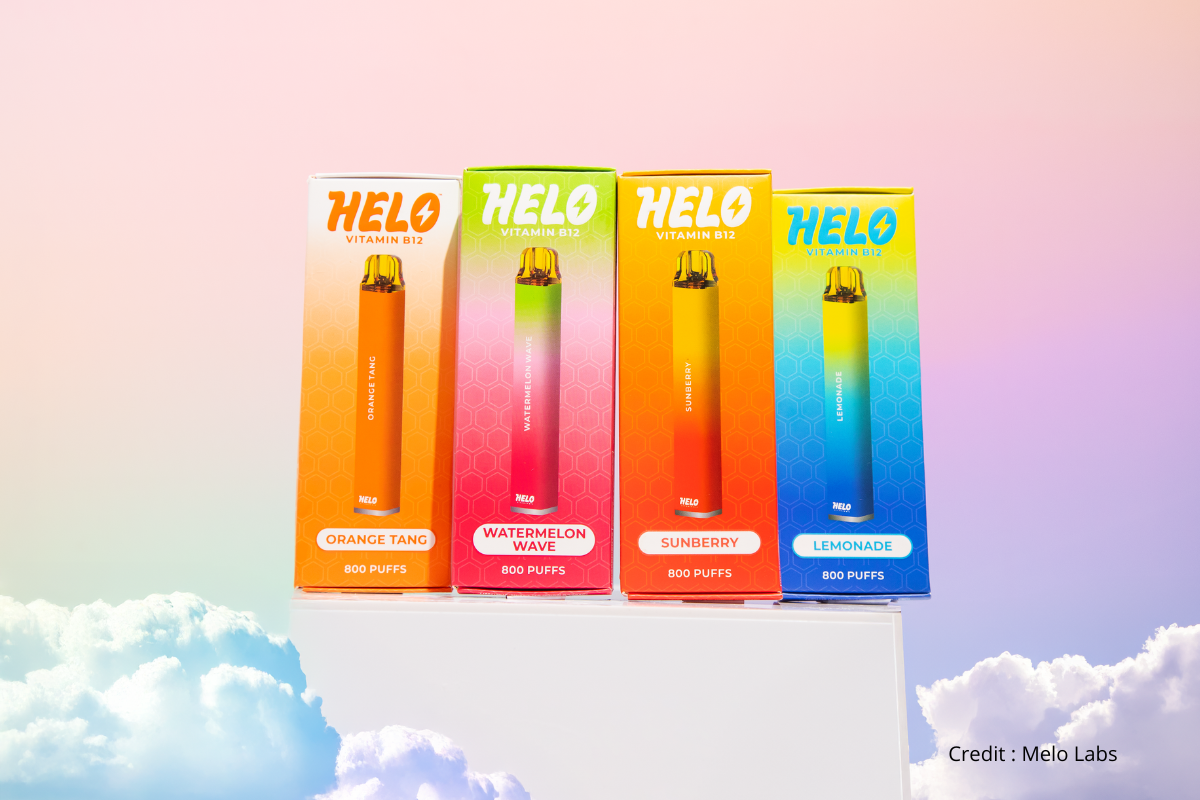 MELO Labs is one of the only nicotine free vape brands leaning into functional ingredients as the differentiator. MELO Air runs melatonin for wind-down. HELO runs caffeine for a lift. Both are 0% nicotine disposables built on ISO-certified manufacturing with batch verification, per MELO’s own product content.
On review data, MELO Labs shows 4.6 out of 5 across 6,863 reviews on Judge.me as of publication. That is a brand-owned Judge.me store, so treat it as brand-verified customer sentiment rather than fully independent third-party data. The volume is real either way, and the pattern of feedback is consistent across it.
- Best For: readers who want a functional angle (sleep, energy) alongside a nicotine-free swap. Also anyone who already tried disposables and wants a reason beyond “just no nicotine.”
- Watch For: puff count runs lower than ARRØ, around 800 puffs per device versus 15,000 on Ultra and 40,000 on Infiniti. A handful of retailer reviews on the MELO and HELO line mention specific flavors like Caramel Coffee tasting burnt on the final pulls. That is a flavor-preference note, not a safety concern.
3. CAPNOS Zero (Closest Direct Fum Competitor)
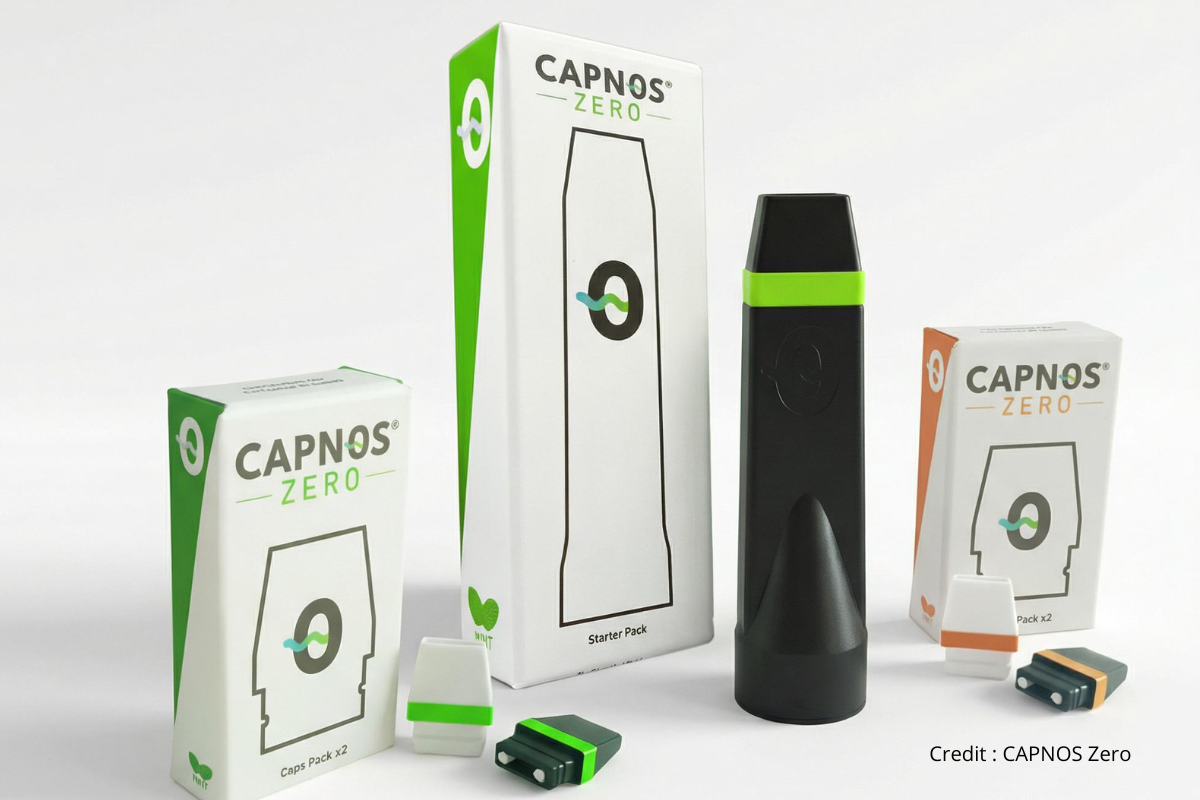 CAPNOS is a battery-free, smoke-free, nicotine-free inhaler. It uses a patent-pending valve for airflow resistance, so the reader gets a throat sensation without vapor or heat. The Zero (mouth-pull) and the E-Z (lung-pull) both run $24.99. The flagship Legura and BRE-Z run $74.99 each, per mycapnos.com pricing.
On the Capnos vs Fum question, this is the closest product-category match Fum has on this list. Where Fum uses essential-oil cores, Capnos uses pressurized air with optional natural flavor extracts. Similar ritual, different mechanism, typically lower per-use cost. Independent review coverage sits on nonicvapes.com and inside the vaping360 flavored-air roundup, both of which frame Capnos as a stronger value pick than Fum for the same ritual.
- Best For: readers who liked Fum’s format but not the flavor fade or the subscription friction.
- Watch For: still no vapor. Readers who want a real vape experience should skip.
4. Ripple+
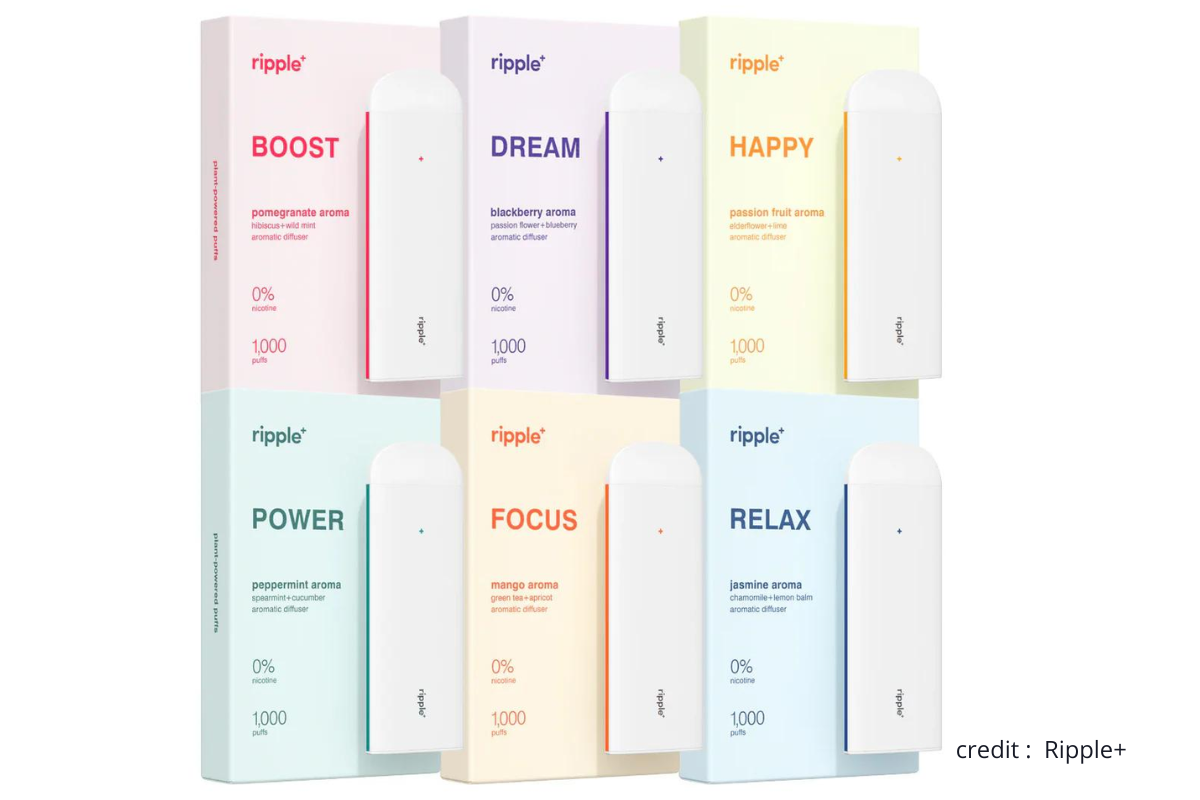
Ripple+ is a UK-based, plant-based inhaler running essential-oil blends. Chamomile for winding down, peppermint for focus, ginger-citrus for a lift. Zero nicotine across the line. This one sits fully in the wellness lane and does not try to imitate a nicotine vape. Since Capnos also ranks on this list, it is worth seeing how the two no-nicotine brands compare head to head before you commit.
On regulation, Ripple+ falls under the UK’s MHRA Tobacco and Related Products Regulations, which are stricter than what the FDA enforces on nicotine-free disposables in the US. That is a real safety floor and worth calling out. Review data is solid in the UK and thinner in the US market, so US buyers should factor availability into the decision.
- Best For: readers who want the vape ritual without any hint of a cigarette experience and who like the wellness framing.
- Watch For: US shipping and availability are inconsistent. Peer-reviewed research on the long-term effects of inhaled plant compounds is still thin.
5. Xhale
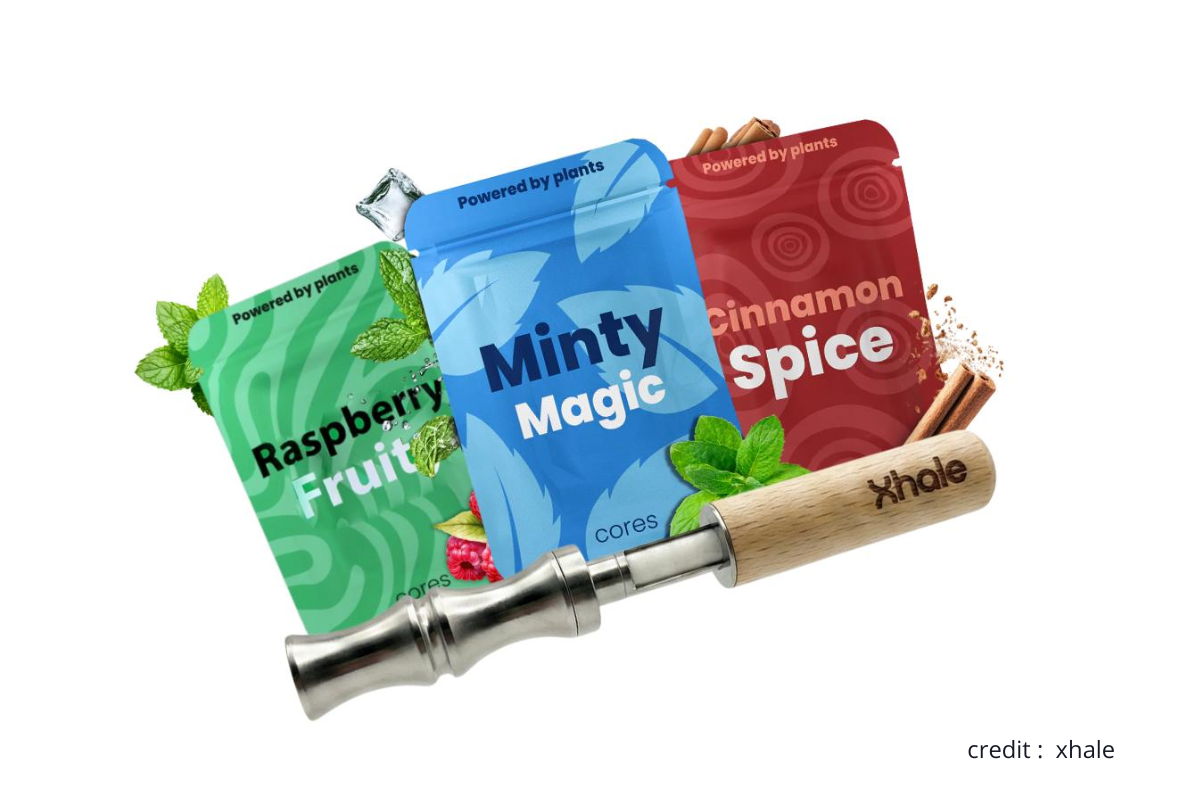 Xhale is a Fum-style flavored-air inhaler positioned as the affordable alternative. Xhale’s own Xhale vs Fum comparison content puts its price at less than half the cost of a Fum starter kit. Almost identical use case, lower price per unit, lower refill cost over time.
The review sample is smaller than Fum’s and smaller than the top three brands on this list, so the read on customer sentiment is more limited. What exists on the brand’s site and in third-party mentions skews positive on price-to-value. Newer brand caveats apply on device longevity and customer support, both of which are still being built out.
- Best For: readers who tried Fum and liked the concept but not the price.
- Watch For: newer brand, so track record on device longevity and customer support is still being built.
6. LUVV
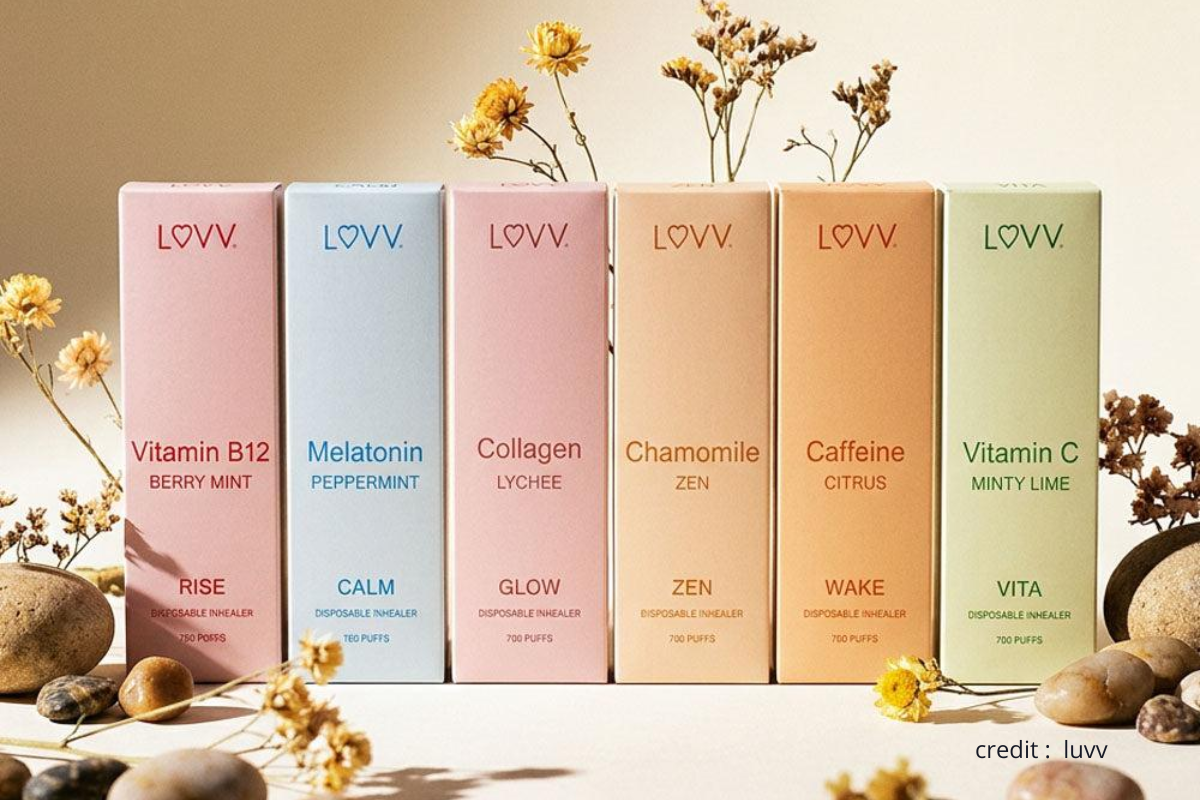 LUVV is a flavored-air, nicotine-free inhaler brand with a lifestyle-forward flavor lineup. Mechanically it sits in the same category as Fum and Xhale.
Included for completeness. Independent review data on LUVV is limited compared to the top three, so readers who need volume of feedback should treat the pick as an “if it fits your flavor preference” option rather than a data-driven recommendation. Ingredient transparency is thinner than ARRØ, MELO Labs, or Capnos as well.
- Best For: readers exploring the flavored-air category who want to try a couple of options before settling.
- Watch For: less ingredient transparency than the top brands on this list and less independent verification of customer sentiment.
7. VitaStik and HealthVape (Vitamin-Style Alternatives, With Caveats)
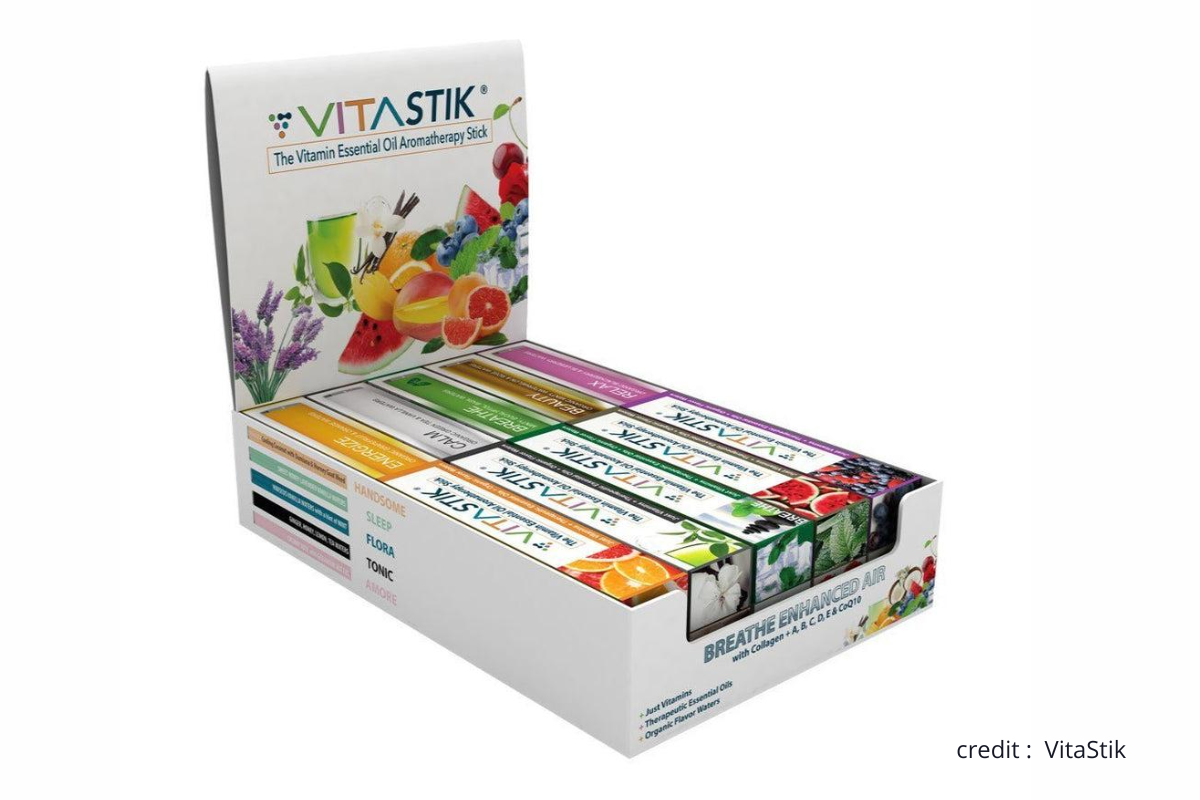 VitaStik and HealthVape are the two most-searched brands in the vitamin-vape lane. They market essential-oil and vitamin-blend inhalers as “wellness” inhalation devices. Retail and Amazon review data splits roughly evenly between “loves the ritual” and “does not feel like it does anything,” so the sentiment picture is genuinely mixed. The same split runs through HealthVape reviews specifically, where leaking pods and short battery life sit right next to praise for the flavors. People moving away from pods may also want to compare Vuse alternatives across nicotine strength, device format, and nicotine-free options. People who want the pod-style experience without nicotine can compare Cyclone Pods alternatives by flavor, draw, ingredients, and device format.
The regulatory context matters. In 2021, the FDA issued warning letters to four wellness-vape brands, including Vitastick and Vitamin Vape, for making unproven health claims. Warning letters flag messaging problems, not confirmed safety issues, so read the distinction plainly. The category’s health messaging sits on regulatory watch, so any reader shopping here should treat the marketing language with the same skepticism they would apply to any supplement.
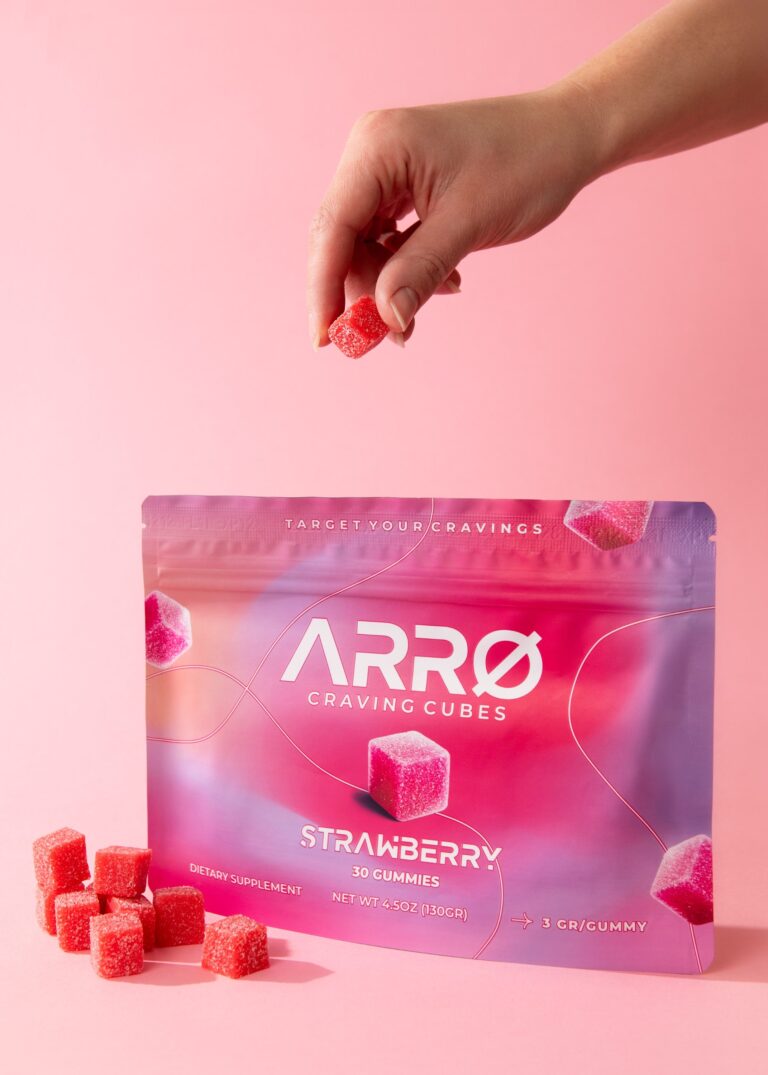
If the goal is supplement-style support during a quit without the health-claim gray zone, ARRØ Craving Cubes is a non-inhaled option worth a look. Zinc, Magnesium, Rhodiola, and L-Tyrosine, no medical claims attached.
- Best For: readers who want a functional angle and are comfortable with the wellness-claim gray zone.
- Watch For: peer-reviewed research on the bioavailability of inhaled vitamins is thin.
8. Komuso Shift (For Readers Ready to Drop Inhalation Entirely)
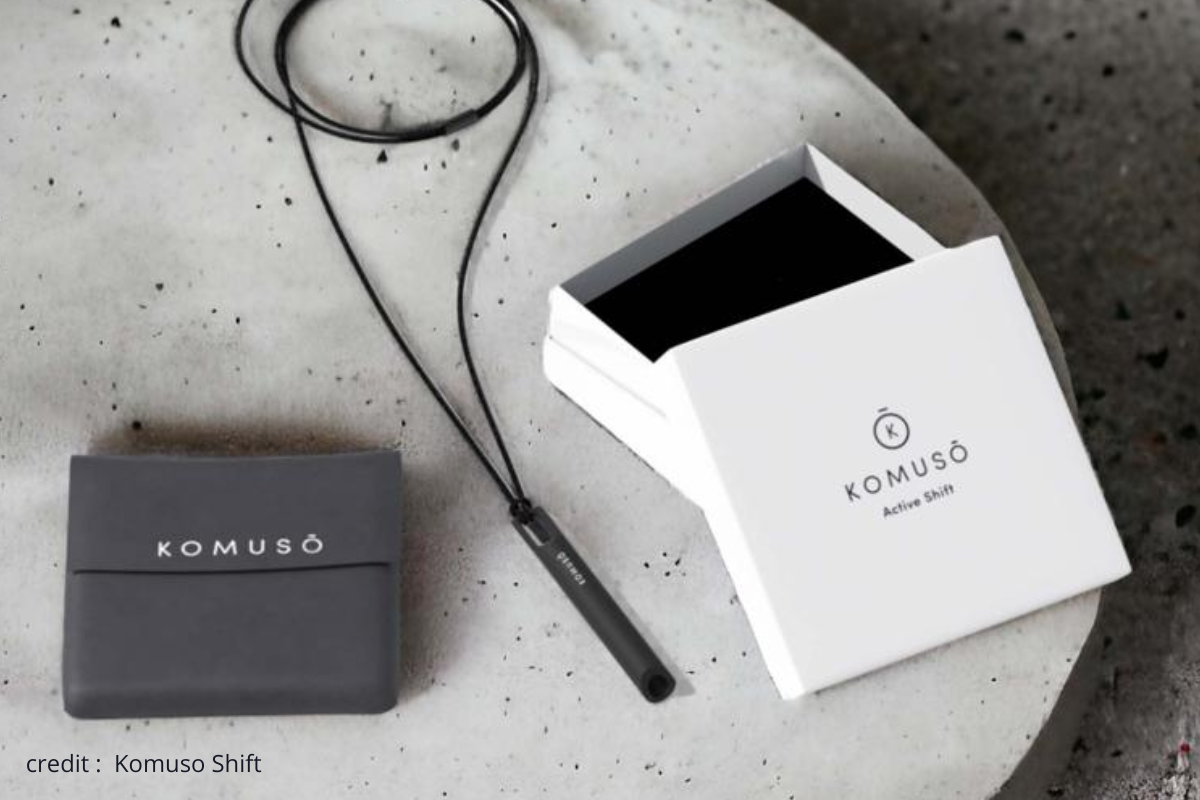 Komuso Shift is not a vape and not a diffuser. It is a weighted metal breathing tool designed to slow the exhale and downshift the nervous system. Zero nicotine, zero smoke, zero vapor, zero flavor. Only the ritual and the breath.
Included because a chunk of readers searching Fum alternatives are actually looking for a way to stop inhaling anything. On-site reviews are strong and the brand has a solid presence in wellness and quit communities. Treat that as brand-verified customer sentiment rather than fully independent audit, same standard applied to MELO’s brand-owned store above.
- Best For: readers who have already dropped nicotine, dropped vapor, and now want to drop the inhalation itself.
- Watch For: this is a step further than a swap, not a like-for-like replacement. Sit with that before you buy it.
How Does Fum Vape Actually Compare?
Fum itself deserves an honest paragraph before this list ends. It is a wooden or steel inhaler with refillable essential-oil cores, no battery, no vapor, no throat hit. The device costs $33 to $47 depending on the material. Cores run $7 to $10 for a three-pack at a reported two to three day lifespan per core.
Customer sentiment tells a specific story. Fum sits at 3.5 out of 5 across 591 reviews on Trustpilot as of publication. Positive reviews keep landing on the same two notes. The hand-to-mouth ritual replacement holds up, and the wooden version feels solid in the hand. Negative reviews are messier. Flavor fades faster than the packaging suggests. Subscription friction wears on people. Price per core relative to lifespan feels off. A handful call out customer support delays. Those are the same walls this article opened with.
The honest read. Fum is a legitimate product for a specific reader. If it works for you and the price is fine, stay on it. If it does not, the ranking above is why you landed here. Fum’s customer reviews cluster at five stars and one star with very little in between, and which end you land on usually comes down to whether you came for the ritual or for a real draw.
FAQ
Short answers to the questions readers ask most about Fum vape and the alternatives above.
Is Fum Vape a Good Alternative to Vaping?
Fum vape is a good alternative to vaping for readers who want the hand-to-mouth ritual without nicotine and without vapor, and who are okay with a two to three day lifespan per core. It is not the right fit for readers who miss the vapor, the throat hit, or a longer flavor experience per unit. For that reader, the ranking above points to better swaps.
What Is the Healthiest Alternative to Fum Vape?
“Healthiest” is a loaded word in this category, because every product here is either inhaled or breathed. The cleanest choices are the ones that publish full ingredient lists, avoid diacetyl and vitamin E acetate, and stay away from unproven health claims. On those specific criteria, ARRØ, MELO Labs, and CAPNOS Zero are the strongest picks in this ranking.
Is Fum FDA Approved?
No vape or diffuser is “FDA approved” the way a prescription drug is. Some nicotine vape products have PMTA authorization, which is a different regulatory pathway. Fum, as a flavored-air inhaler with no nicotine and no tobacco, falls outside the FDA’s tobacco jurisdiction entirely. The same holds for most of the nicotine-free alternatives on this list.
How Much Does Fum Cost Per Month?
Fum’s monthly cost lands roughly $30 to $50 in cores alone at typical daily use, on top of the initial $33 to $47 for the device. That math assumes a three-pack of cores at $7 to $10 with a two to three day lifespan per core. For readers running the numbers, ARRØ Ultra ($15.99 to $24.99 per device, up to 15,000 puffs) and ARRØ Infiniti (up to 40,000 puffs) give a very different cost curve to compare against.
How Do I Quit Vaping for Good?
There is no single “for good.” Most people who quit vaping for good did it in steps, not one swap. The combination that works for a lot of ARRØ readers is a nicotine-free swap for the hand-to-mouth ritual, paired with Craving Cubes for the harder craving windows. Support tools, not treatments. The pairing holds for nicotine pouch alternatives as well, since a tuck and a draw leave the same gap once the nicotine goes. The ARRØ nicotine-free collection covers the swap side.
Ready to Take Your Story Back?
Fum works for a specific reader. If that reader is not you, the swap probably will not last past a few cores.
If the ritual is the part you want to keep and the nicotine is the part you want gone, the goal is a swap that respects both. Most Fum vape alternatives get one right and miss the other. What you want is something that holds up past day 3, something with a flavor that does not thin out on you, something built by a brand that has been nicotine-free from day one.
If that is what you are looking for, the ARRØ nicotine-free collection is one place to start. It’s your story. Time to take it back.
 Cessation Cravings: