A vape typically costs $5 to $100 or more in the U.S., depending on the type. Basic disposables often run $5 to $15, pod systems $10 to $35, vape pens $15 to $35, and advanced kits $40 to $100 before supplies, tax, or shipping. Your usage decides the real total.
This guide is for adults 21 and older who already vape or are comparing a nicotine-free format. The sticker price matters, but it is only the first number to check.
How Much Does a Vape Cost? Quick Answer
Most adults will see the lowest upfront prices on zero nicotine disposable vapes and simple pod systems. A disposable vape price starts low because the battery and liquid come in one unit. Reusable pens and mods cost more at checkout because the hardware stays in rotation. Pods, coils, or liquid become the repeat expense.
Current ranges from Vaping360’s vape cost guide provide a useful U.S. benchmark. Treat them as planning figures, not fixed retail prices. Brand, capacity, features, location, promotions, and local taxes can all move the final amount.
|
Device type |
Typical upfront price |
Recurring purchases |
Best fit for |
|
Disposable vape |
$5 to $15, with high-capacity models often higher |
A new device when the current one is empty |
Adults already vaping who want a simple all-in-one format |
|
Pod system |
$10 to $35 |
Prefilled or refillable pods, coils, and e-liquid |
Adults who want reusable hardware in a compact format |
|
Vape pen or starter kit |
$15 to $60 |
Coils, e-liquid, and occasional charging accessories |
Adults who want refillable gear with a straightforward setup |
|
Box mod or advanced kit |
$40 to $100 or more |
Tanks, coils, e-liquid, batteries, and possibly a charger |
Experienced adult users who need more control over the setup |
Use the table as a starting point. A $10 device can become the pricier option over a month if it needs frequent replacement. A $40 setup may spread its hardware cost across many refills.
Count the whole routine. The first receipt tells only part of the story.
Vape Prices by Type
Cost changes with the format. A disposable wraps the battery and liquid into one purchase. With reusable gear, pod system cost starts with the device and shifts later spending to pods, coils, or bottled liquid.
No format wins automatically. The better buy matches your replacement pace, supply needs, and advertised capacity across a full month. A low shelf price alone says little about value.
Disposable Vapes
How much does a disposable vape cost? A useful starting range is $5 to $15. Larger rechargeable models can cost more when they add screens, airflow controls, higher capacity, or multi-coil designs. Similar-looking disposables can carry very different prices, so treat $15 as a benchmark rather than a ceiling.
The initial purchase normally includes the battery, heating element, and prefilled liquid. Once the liquid runs out or the usable coil life ends, you replace the entire device. That replacement pace can turn an affordable disposable into a sizable monthly expense.
When Is a Higher-Capacity Disposable Worth the Extra Cost?
A higher-capacity disposable is worth the extra cost only when its size matches your pace and you expect to use the full advertised capacity.
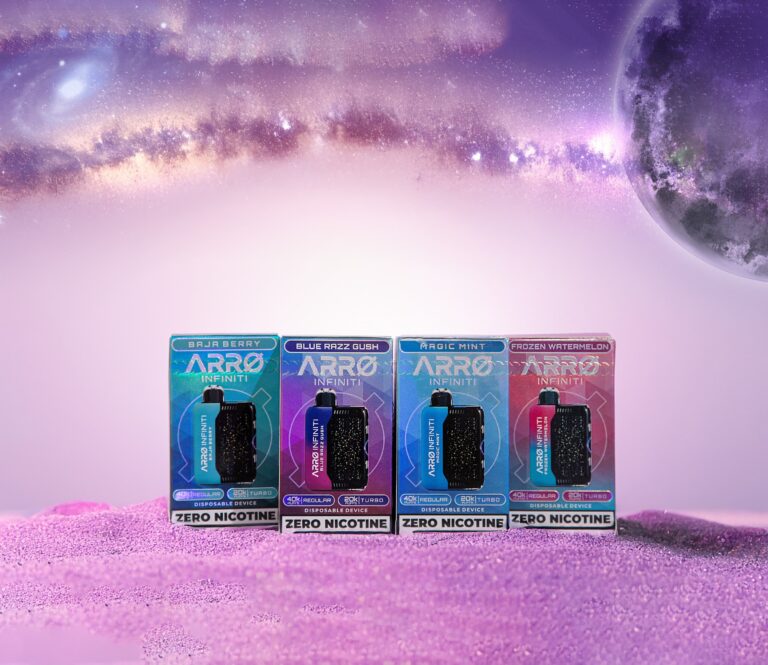
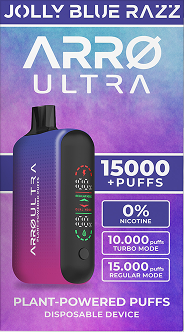
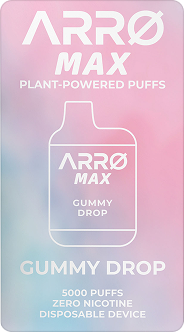
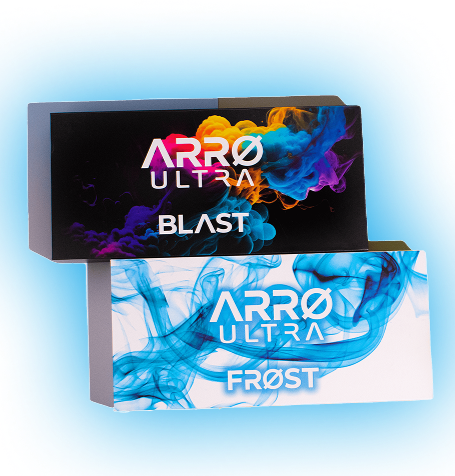
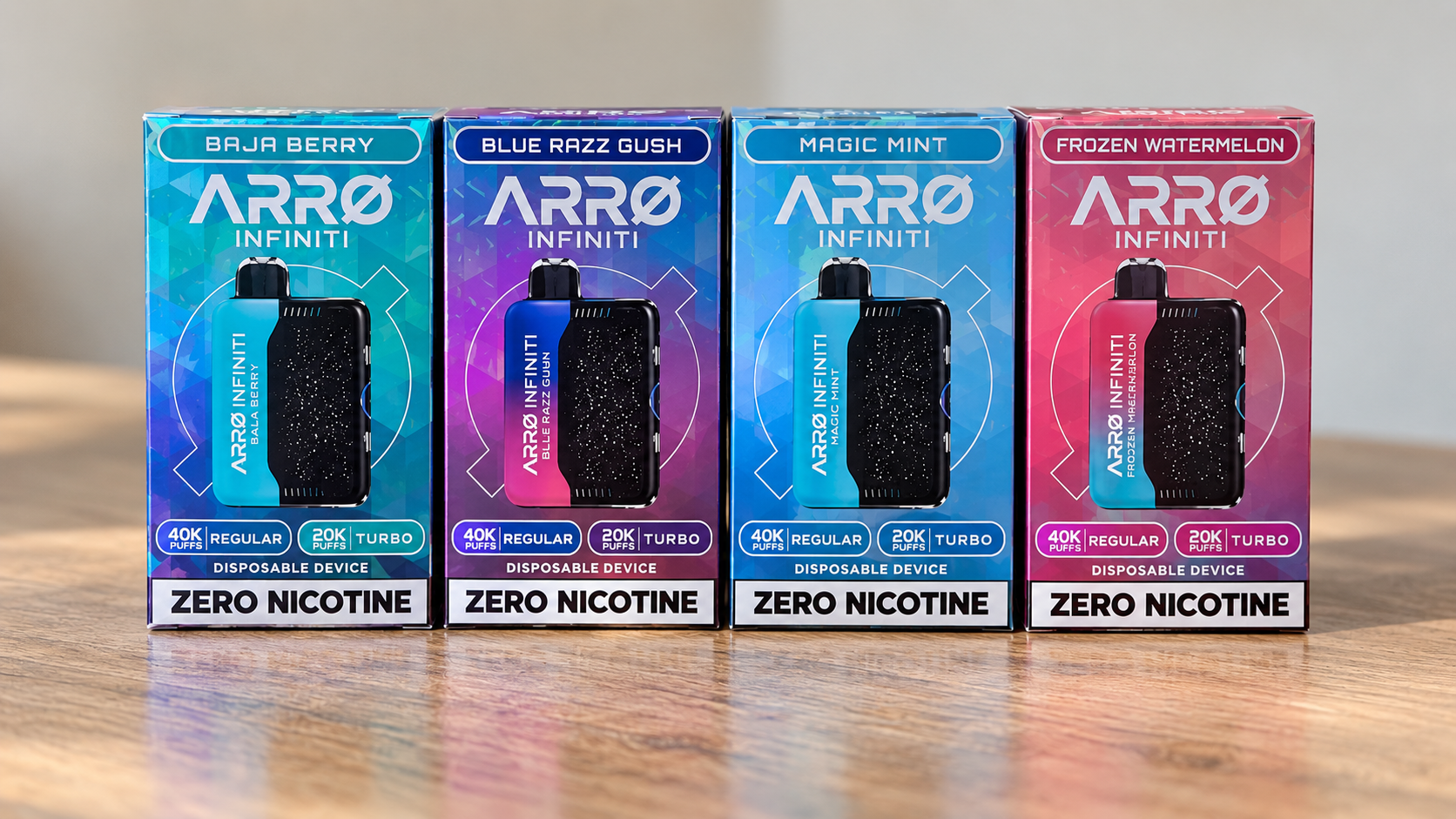
ARRØ makes that tradeoff easy to see across its 0% nicotine line. Max starts at $15.99 for 5,000 advertised puffs, Ultra at $19.99 for 15,000, and Infiniti at $24.99 for 40,000. Pick Max if you want less product up front. Move up only if fewer replacements matter more and the larger size fits your routine. Prices and stock can change, so check the live collection before buying.
Pod Systems and Prefilled Pods
Expect roughly $10 to $35 for the device before replacement pods or e-liquid. Closed systems use brand-specific prefilled pods. Open systems use bottled liquid in a compatible refillable pod, shifting more of the ongoing cost to coils and juice.
So, how much does a vape pod cost? Prices vary by product. Prefilled pods may be sold individually or in packs. Refillable pods can include an integrated coil. Check the pack count, liquid volume, coil design, and device compatibility before comparing two shelf prices.
How much does a vape cartridge cost? Check whether the quoted price covers one cartridge or a multipack, whether it is prefilled, and how often you expect to replace it.
Those two systems create different buying patterns. An affordable closed device can lock you into costlier brand-specific pods. A refillable pod gives you more choice but adds bottle purchases, coil changes, and cleanup. Price a full month because the lowest device price can lose its advantage quickly.
Vape Pens and Starter Kits
A simple vape pen often costs $15 to $35. A mouth-to-lung starter kit can reach $30 to $60 because the box may include a battery, tank or pod, coil, cable, and spare parts. Check the contents before comparing prices.
Included hardware matters. A $25 kit that needs an immediate coil pack and charger can cost more overall than a $40 kit that includes both. Battery capacity, build quality, replaceable components, and warranty terms affect the price.
A vape pen price only makes sense after you read the box contents. Some starter kits include one coil and no spare. Others add extra pods, seals, or glass. Those small differences decide whether the listed price is a complete start or only the first item on your receipt.
Box Mods and Advanced Kits
Box mod kits usually start around $40 and can reach $100 or more. The price rises when the mod, tank, batteries, and charger are sold separately instead of bundled together.
More controls and replaceable parts appeal to some experienced users. Extra hardware can raise the price without improving value when half the settings go untouched. Pay for what you will use.
Ongoing Vape Costs to Budget For
The sticker price is only the front door. Repeat costs show up next, and they can make a simple-looking purchase much more expensive over time if you miss the supplies your format needs to keep working. Check these before checkout.
- Replacement pods, coils, or cartridges
- Bottled e-liquid for refillable systems
- A compatible cable, external charger, or replaceable batteries
- Shipping and any age-verification delivery fee
- State and local excise taxes, plus regular sales tax
Disposables bundle most supplies into each device, closed pods move the recurring cost into prefilled cartridges, and refillable pens or mods spread it across coils and bottles of liquid. Different timing. Same monthly math.
Replacement Pods, Coils, and Cartridges
Small parts add up. Coils and pods wear out. A common benchmark is $2 to $5 per coil, but the checkout total is often higher because most are sold in packs. Integrated-coil pods may cost more per unit than a bare replacement coil.
Availability is the trap. A discounted device becomes poor value when the matching pods vanish from stock or cost much more than the alternatives you could have bought from the start. No stock, no bargain.
Your replacement pace may change with liquid choice, power, draw length, and frequency of use. Build the budget from what you actually replace.
Vape Juice and Charging Costs
Bottled e-liquid commonly runs about $10 to $30. How much does juice cost for a vape in your routine? Size, formula, brand, and the amount you use can swing the monthly total so widely that one bottle will never equal one month for everyone. Usage decides the rest.
When you budget for charging, focus on possible one-time extras that affect rechargeable vape cost. These may include replacing a lost cable, buying compatible batteries, or adding an external charger missing from the kit.
What Makes One Vape Cost More Than Another?
Capacity is only one piece. E-liquid volume, battery size, rechargeability, coil design, screens, airflow controls, power modes, materials, and included accessories can all pile onto the sticker price before brand or retailer even enters the picture. It adds up.
The commercial side matters too. Brand positioning, retailer markup, supply, flavor availability, bundle size, and short-lived promotions can push two nearly identical devices into completely different price tiers. Same hardware, different receipt.
A higher price proves little by itself. Pay for features you will use. A screen, adjustable airflow, or huge capacity that solves no problem in your routine only adds cost.
Pack size blurs the comparison. A five-pack can lower the unit price but raise today’s total. A subscription can do the same before you notice how much product is headed your way. Work out the single-unit cost, then decide whether the quantity and delivery schedule fit your routine.
How Much Does Vaping Cost per Month?
To estimate the monthly cost of vaping, multiply purchase frequency by unit price, then add supplies, shipping, tax, and the occasional replacement device. That gives you a monthly estimate that reflects your routine instead of somebody else’s. Your own receipts still beat a national average.
Vaping360’s guide puts a first month with reusable gear at roughly $50 to $120, followed by about $20 to $60 in many later months once the hardware is already paid for. Treat those figures as context. Heavy use, high local taxes, lost hardware, or frequent disposable purchases can push the total higher.
- Reusable setup example: A $25 device, a $15 bottle of liquid, and four $3 coils total $52 before tax and shipping. If the device lasts beyond that month, later months may only include liquid and replacement parts.
- Disposable example: One $15 device each week totals about $60 over four weeks before tax and delivery. Adjust the frequency to match your actual replacement pace.
Write down what you bought for one month. Separate one-time hardware from repeat purchases. That small step gives you a clean baseline without pretending your usage matches anyone else’s.
Two or three months give you a steadier view. One month may include a new device or bulk liquid order, and the next may cost much less. Average the real totals so one-time spikes stay visible without distorting the full picture.
How Much Does a Nicotine-Free Vape Cost?
The same math applies to nicotine-free vape cost. Capacity, battery, format, flavor, controls, and retailer can all move the price. Removing nicotine still leaves a range of prices at checkout.
For a current first-party example, the ARRØ nicotine-free vape collection lists Max from $15.99, Ultra from $19.99, and Infiniti from $24.99. Max is the smaller 5,000-puff option, Ultra is listed at 15,000 puffs, and Infiniti is the larger 40,000-puff format. Prices and stock can change.
Those tiers make the value question concrete. You can compare the price with advertised capacity, then decide whether a smaller device or more time between replacements fits your routine. The ARRØ Infiniti page gives the current details for the longest-capacity option.
ARRØ’s plant-based vapes contain 0% nicotine and are built for adults already using nicotine or vaping products who want a familiar format without adding nicotine. They are not medical treatments, nicotine replacement therapy, or guaranteed quit tools.
How to Compare Vape Value Before You Buy
Start with one clean number. To estimate cost per puff, divide the device price by its advertised puff count, then multiply by 1,000 to compare very different capacities on the same scale. A $20 device advertised for 15,000 puffs comes to about $1.33 per 1,000 advertised puffs.
That number is a comparison tool, not a lifespan promise. Puff length, device settings, battery performance, liquid delivery, and personal use all change the real result. Our guide to how many puffs are in a JUUL pod explains why puff claims need context.
Then check the parts of the purchase that the simple formula misses.
- How often you expect to replace the device, pod, or coil
- Whether compatible supplies are reliably in stock
- What the warranty or money-back terms actually cover
- Whether free-shipping thresholds tempt you to buy more than you need
- Whether a bundle contains useful supplies or just a larger quantity
Keep the measurement consistent. If one device is judged by pack price, another by unit price, and a third by advertised puffs, the comparison falls apart before you learn anything useful. Pick one common unit, then add the practical details the formula cannot see.
Check the exit cost too. Reusable hardware only holds its value when the matching pods, coils, batteries, and liquid remain available long enough for you to keep using it without hunting down scarce stock. A bargain device can get expensive fast.
What Does ARRØ Cost per 1,000 Advertised Puffs?
At current direct prices, ARRØ costs about $0.62 to $3.20 per 1,000 advertised puffs, depending on the device.
Max works out to about $3.20 per 1,000 advertised puffs, Ultra to $1.33, and Infiniti to $0.62. Those figures compare price with the label claim, not the puffs you will receive. Draw length, settings, and real use can change the result. Use the math to compare sizes, then choose the amount that fits your routine.
Why Your Local Vape Price May Be Different
If you search how much does a vape cost near me, the answer can change across state lines and even between stores. The Public Health Law Center’s 50-state review makes that clear. Some states have e-cigarette tax laws and others do not. Local rules can add another layer beyond the map. Check your own jurisdiction before you buy.
Then checkout happens. Sales tax, retailer markup, local stock, shipping, and age-verification delivery fees can turn a low-looking item price into a much less charming final total once everything lands in the cart.
Check the final cart total or shelf label before deciding. If you are comparing nicotine-free devices, ARRØ’s guide to where to buy nicotine-free vapes can help you check direct and retail options, but the live local price is still the number that counts.
Vape Cost FAQs
Can You Get a Vape for $10?
Yes. Some basic disposables and entry-level pod devices sell near $10. Selection, capacity, and taxes vary, so confirm whether that price includes everything needed to use the device.
People who do not vape should avoid starting. This guide is only for adults 21 and older who already vape or are comparing nicotine-free vapes.
How Long Will a 5,000-Puff Vape Last?
Do the math. Divide 5,000 by your estimated puffs per day, and you’ll get a rough duration that makes sense for your own pace instead of a generic promise. At 100 puffs a day, that is 50 days. At 250 puffs a day, it is 20 days.
Those are estimates. Advertised puff counts come from test conditions. Real draws vary in length and intensity, and the device may deliver less usable capacity than the label suggests.
How Much Is 600 Puffs of Vape?
Six hundred puffs is a capacity claim, not a fixed dollar value, so divide the device price by 600 to get a rough cost per advertised puff. For a $10 device, that comes to about 1.7 cents per advertised puff, or roughly $16.67 per 1,000. Rough math only.
Use that figure to compare products with similar assumptions. A separate look at how vape puffs compare with one cigarette can add context, but it does not guarantee that every buyer will get exactly 600 puffs.
Compare Vape Costs Without Buying More Than You Need
So, how much does a vape cost in practice? One number gives only part of the picture. Your real vape cost includes the device, repeat supplies, delivery, tax, and replacement pace. The lowest receipt may still be a poor guide to a full month.
Compare every format on the same basis. Check what comes in the box, what wears out, and whether the capacity fits your routine before a low shelf price or giant puff claim talks you into buying the wrong size. Bigger can be wasteful too.
If you are 21 or older, already use nicotine or vape, and want to compare a 0% nicotine format, explore ARRØ’s current options by price, capacity, and device size. Choose the fit that makes sense for your routine, not the loudest claim.
Start with ARRØ’s live collection, then compare Max, Ultra, and Infiniti by price, device size, and advertised capacity. The lineup runs from 5,000 to 40,000 advertised puffs, with 0% nicotine across all three options. Pick the amount you expect to use. That keeps the familiar ritual without adding nicotine or paying for capacity that does not fit your routine.
 Cessation Cravings: