
If you want something discreet and low-maintenance, nicotine pouches usually fit more easily into daily life. If the inhale, throat feel, and hand-to-mouth motion are the part you reach for, vaping keeps more of that familiar ritual. Both can deliver addictive nicotine, and neither should be treated as risk-free.
When choosing nicotine pouches or vaping, the better fit starts with one honest question: What do you want to change first, the cloud, the gear, your nicotine intake, or the ritual itself? Pull those pieces apart and the answer gets clearer fast.
Nicotine Pouches vs. Vaping at a Glance
A nicotine pouch sits under your lip, needs no device, and is easy to keep out of sight. Vaping creates an inhaled aerosol and keeps the reach, inhale, and exhale. That is the tradeoff in plain view.
Pouches favor privacy and simplicity, and vapes keep more of the familiar sensory routine.
|
Factor |
Nicotine pouches |
Nicotine vapes |
|
Route of use |
Placed between the lip and gum |
Aerosol inhaled through the mouth |
|
Nicotine availability |
Labeled strengths that can vary widely |
Varies by liquid, device, and product |
|
Speed and feel |
Often more gradual and longer-lasting |
Often faster-feeling with throat and inhalation cues |
|
Visibility |
Low profile after placement |
Visible device and exhaled aerosol |
|
Odor |
No aerosol and little scent to others |
Aerosol may leave a noticeable scent |
|
Equipment |
Can plus responsible disposal |
Device, pods or liquid, and often a charger |
|
Upkeep |
Minimal, with no charging |
Charging, replacements, and possible leak or coil care |
|
Typical session |
One pouch stays in place for the directed period |
Repeated puffs can blend into the day |
|
Habit reinforced |
Placement under the lip and regular replacement |
Reach, inhale, throat feel, and exhale |
One pouch does not equal a set number of vape puffs. A nicotine pouch-to-vape conversion is not universal because strength, formulation, device power, puff length, and frequency can all shift the experience. Check the label on the product in front of you instead of trusting a universal conversion.
ZYN vs. vaping is a common way people frame this comparison, but a familiar logo does not settle it. Compare the nicotine amount, directions, and warnings on the actual products. The label matters more than the brand name.
How Nicotine Delivery Changes the Experience
Route changes the feel of the whole routine. A pouch releases nicotine through the tissue between your lip and gum. A vape heats liquid into an aerosol that reaches your lungs.
The onset feels different, the physical cues change, and your brain learns a different sequence.
Nicotine is only half the picture. Your hands and senses learn the routine too, from opening a can and placing a pouch to reaching, inhaling, and watching the cloud. A new format can change those cues but leave the frequency untouched.
Nicotine Pouches: Steadier, Discreet Use
Comparing oral nicotine with inhaled nicotine starts with the route of use. A nicotine pouch slips under the upper lip, where nicotine is absorbed through oral tissue. Once it is placed, your hands are free. There is no battery and no aerosol to manage, which can make a meeting, commute, or restaurant feel less complicated.
The downside can hide inside that convenience. A pouch may stay in place for a long stretch, and the can slips into a pocket without fuss. It is easy for one pouch to roll straight into the next.
Used pouches still need responsible disposal. Keep unopened and used products away from children and pets, and use child-resistant packaging where provided. A small product can be easy to overlook in a pocket, car, or bedside drawer.
Nicotine pouch side effects vary by person and product. The CDC notes that products contain different amounts of nicotine, and some can contain high levels. Nicotine strength deserves more attention than branding or flavor.
Vaping: Faster-Feeling, Ritual-Driven Use
Vaping is a busier ritual. You pick up the device, inhale, feel the throat hit, taste the flavor, and exhale a visible aerosol. For some adults, that sequence is the familiar part they value. That sequence can tie the hand-to-mouth habit more tightly to nicotine use.
Then there is the gear. Your setup may involve a battery, pods, coils, e-liquid, or a disposable device. Dead batteries, leaks, burnt hits, and surprise failures have a way of showing up at the worst time.
Travel makes those details matter fast. Check current airline, hotel, workplace, and venue rules before carrying, charging, or using a vape. A rule you barely notice at home can run your whole day once you are moving through shared spaces.
Vaping side effects can vary with ingredients, nicotine level, device, and use pattern, so one product cannot speak for the whole category. Pay attention to how a specific product affects you, and take persistent symptoms to a qualified clinician. People nearby may be exposed to the exhaled aerosol, especially indoors.
Which Fits Your Day-to-Day Routine?
Picture an ordinary Tuesday, not the routine you wish you had. Where does nicotine show up? What happens right before the reach? What would make you pause for even ten seconds?
Pouches make more sense when privacy, quiet, and hands-free use carry the most weight. Vaping keeps the inhale-exhale ritual, provided the device is welcome where you are. Either option can drift into an all-day pattern when access feels effortless.
How Do You Know Whether Nicotine or the Ritual Is Pulling You Back?
A one-week trigger log can show whether nicotine, the hand-to-mouth ritual, or both are driving your routine.
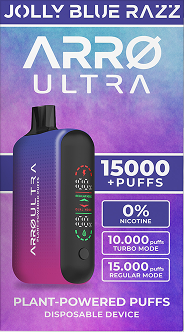
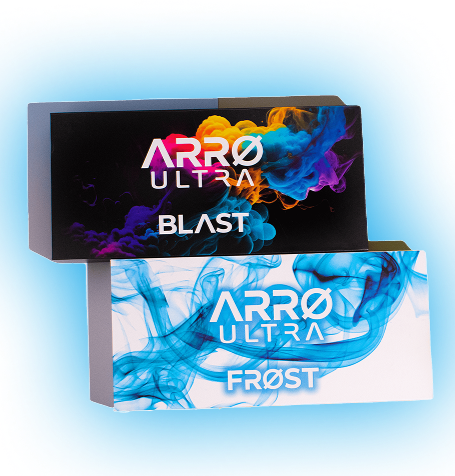
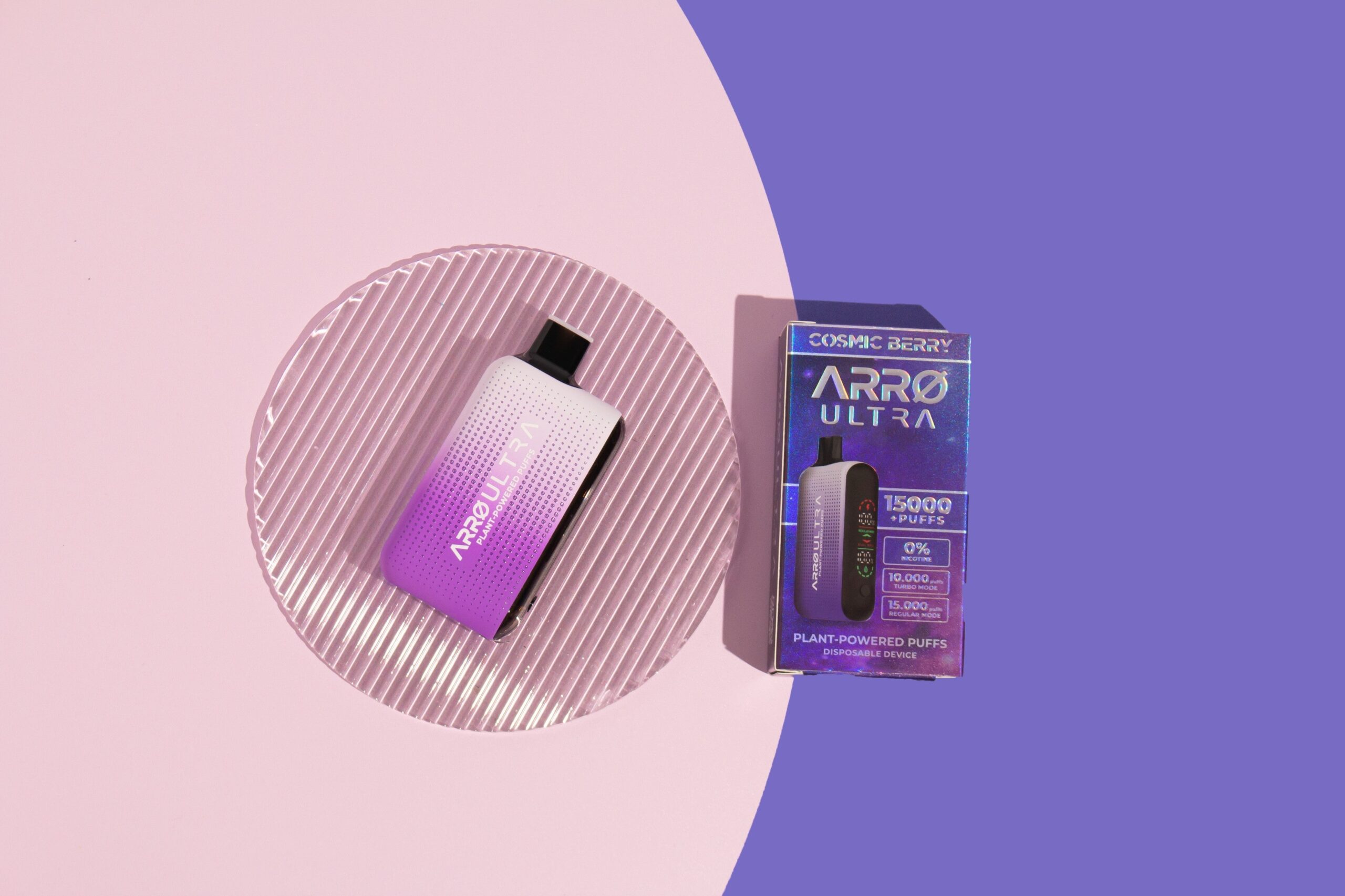
Write down the time, place, feeling, and action behind each reach. If the pull centers on the inhale, throat feel, and exhale, a plant-based vape with 0% nicotine can isolate the ritual from the nicotine piece. ARRØ Ultra is one example for adults 21 and older. It keeps the familiar format with 0% nicotine and flavor extracts, but it does not remove the behavior itself.
Choose Based on Where and When You Use Nicotine
For discreet nicotine use on a commute or during the workday, a pouch may be simpler because there is no device to hold and no aerosol to manage. At home or on a night out, a vape may feel more connected to the way you unwind. Context changes the answer.
Catch the trigger before you compare products. If stress sends you reaching every hour, a different format may only change what is in your hand. If privacy, smell, or venue rules are the real friction points, the practical details deserve more weight.
If you are looking beyond both formats, review alternatives to nicotine pouches through the same lens. Ask what each option changes, what it keeps, and whether it supports the direction you want to take.
Factor in Gear, Smell, and Maintenance
A pouch setup is small. You need the can, clean hands, and somewhere responsible to put the used pouch. A vape brings its own little ecosystem, which may include cables, pods, bottles, coils, cleaning, and the occasional leak.
Pouches create no aerosol, though flavor can leave a taste or a faint scent close to you. Vape aerosol is visible and may leave a noticeable smell. In a shared car, hotel room, home, or public space, that difference stops being theoretical.
Health and Side Effects: What We Know
Neither nicotine pouches nor vaping should be called safe. They create different exposures, and the long-term evidence is still developing. Asking “are nicotine pouches safer than vaping?” or “are nicotine pouches better than vaping?” without naming the outcome you care about is too simple to be useful. If you are comparing whether nicotine-free vapes are safe, treat that as a separate question about ingredients, exposure, and routine.
CDC guidance on nicotine pouches says nicotine is highly addictive, pouch nicotine levels vary, and more research is needed on short- and long-term health effects. Pouches avoid inhaled aerosol, but they still expose the mouth and gums to a product that can deliver substantial nicotine.
CDC’s vaping guidance says e-cigarette aerosol can contain nicotine and other harmful or potentially harmful substances, including tiny particles, volatile organic compounds, and metals. Scientists are still studying the immediate and long-term effects. “Fewer harmful chemicals than cigarette smoke” does not mean harmless.
Regulatory language matters too. FDA marketing authorization allows specific tobacco products to be sold after review. It is not the same as FDA approval, and it is not a declaration that a product is safe.
The FDA’s current nicotine pouch authorization page makes that distinction clear. If you are pregnant, have a health condition, take medication, or have questions about symptoms, speak with a qualified clinician. Product comparisons on the internet cannot account for your medical history.
Cost, Convenience, and Upkeep
Sticker price can fool you. Switching from vaping to nicotine pouches changes the cost pattern, not just the device. A pouch can look cheap until you count the day’s total. A vape can look like one purchase until pods, liquid, coils, chargers, and replacement devices start piling on.
Run a seven-day test using your real pattern. Track every can, pod, bottle, and replacement, then project that spend across a month. Include shipping, local taxes, and the emergency purchase after a leak or an empty device.
Now divide the total by the days you used the product. Cost per day tells you more than a can-versus-device comparison ever will. That number exposes the expensive days, the stressful trip, the long night out, or the week when use quietly climbed.
Convenience can change consumption too. A pouch that works almost anywhere may encourage frequent use. A vape that is always in your hand can do the same.
Cost and convenience are not separate from habit because they help shape it.
Can You Get Craving Support Without Another Inhaled Product?
Yes, non-inhalable support can fit moments when you want neither a pouch nor another device in your hand.
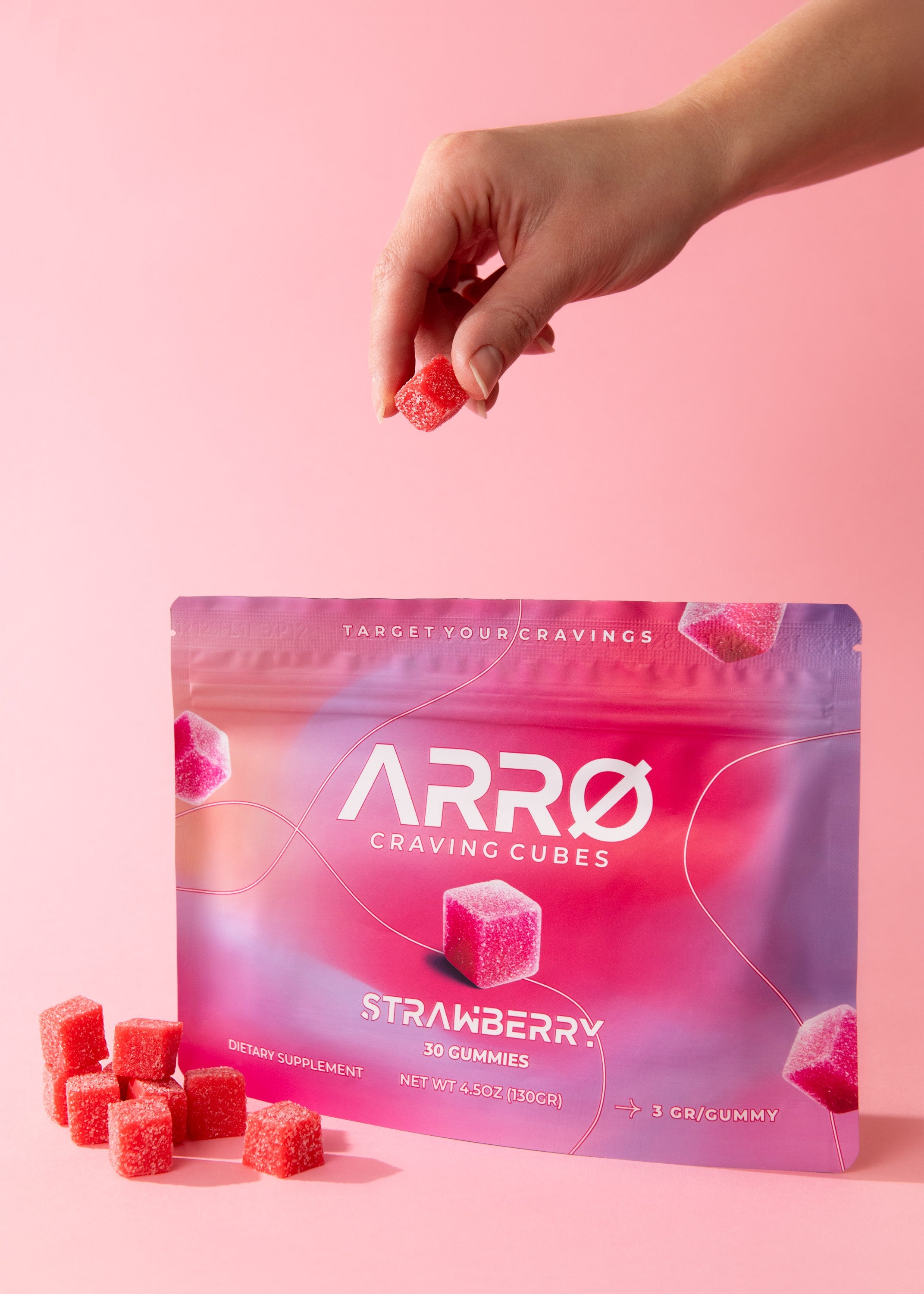
ARRØ Craving Cubes give adults a 0% nicotine, plant-based gummy option for harder craving moments. The formula includes L-theanine, L-tyrosine, magnesium citrate, vitamin B6, rhodiola extract, and zinc. They are support, not treatment, and they do not make quitting automatic. Pair them with the same trigger log so you can see which moments call for a chew and which call for a change in routine.
Is One Easier to Quit?
Quitting vaping vs. nicotine pouches has no universal winner. Dose, frequency, strength, stress cues, and the behavior wrapped around use all matter. A few low-strength pouches a day create a different pattern from near-constant vaping, and either format can be the harder one for a particular person to leave.
Neither nicotine pouches nor e-cigarettes are FDA-approved quit-smoking medicines. If quitting nicotine is the goal, CDC’s quit-smoking medicine guidance covers approved options, and a clinician or quitline can help you build a plan around your use.
Pay attention to what pulls you back. Chemical cravings and the hand-to-mouth motion may need different kinds of support. A format switch can leave that loop running in the background.
Explore what zero-nicotine vapes can and cannot do before deciding whether keeping the ritual is useful for your next step. A nicotine-free product changes the nicotine piece, but it does not automatically change the behavior.
What If You Want the Ritual Without Nicotine?
Maybe the nicotine pouches vs. vape debate misses the part you care about. You may want to stop adding nicotine while keeping the familiar reach, inhale, and exhale for now. That is a different goal.
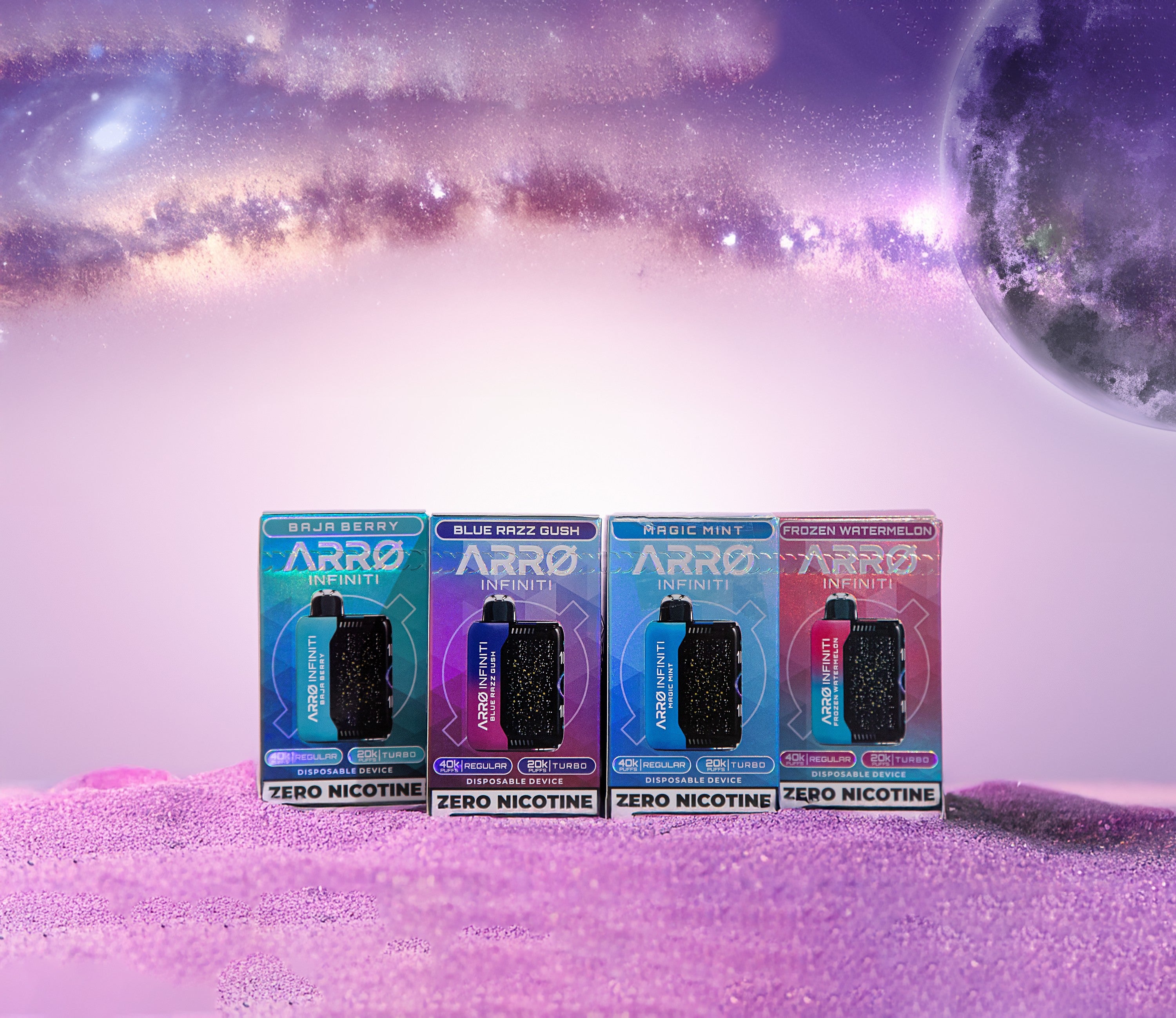
ARRØ gives that third path a familiar shape. Its 0% nicotine, tobacco-free, plant-powered devices use vegetable glycerin, propylene glycol, and real flavor extracts. They are made for adults who already vape or use nicotine and want a nicotine-free swap without dropping the ritual all at once.
Keep the boundary clear. ARRØ is not nicotine replacement therapy, a medical treatment, or an FDA-approved cessation device, and it cannot promise that you will quit. It is one possible support for the behavioral side of your routine.
If that matches what you want to change, explore ARRØ’s nicotine-free vape options. The goal is not to pretend the habit never existed. It is to make your next step more intentional.
The Better Fit Depends on What You Want to Change
By now, the nicotine pouches vs. vaping tradeoff is pretty plain. Pouches favor discretion, low upkeep, and hands-free use.
Vaping keeps the familiar hand-to-mouth and inhale-exhale experience. Both can maintain nicotine dependence.
Start with the thing you most want to leave behind. If it is the device and visible aerosol, pouches or other alternatives to vaping may fit better.
If it is nicotine but not yet the ritual, a 0% option may feel more realistic. If you want to stop nicotine entirely, bring a clinician or quitline into the plan.
You are not proving your willpower here. You are choosing which part of the routine to change first. Make that choice on purpose, watch what happens on a real Tuesday, and adjust from there.
Your next step should match the part you are ready to change. If nicotine is the target but the inhale-exhale routine still helps you through the day, ARRØ Ultra keeps the familiar format with 0% nicotine and no tobacco. Its regular mode is rated for up to 15,000 puffs, so you can compare the runway with your current weekly use instead of guessing from one purchase.
Compare ARRØ’s nicotine-free vape options and check which format fits your real routine. No grand promise, just a clear way to change the nicotine piece first.
 Cessation Cravings: