



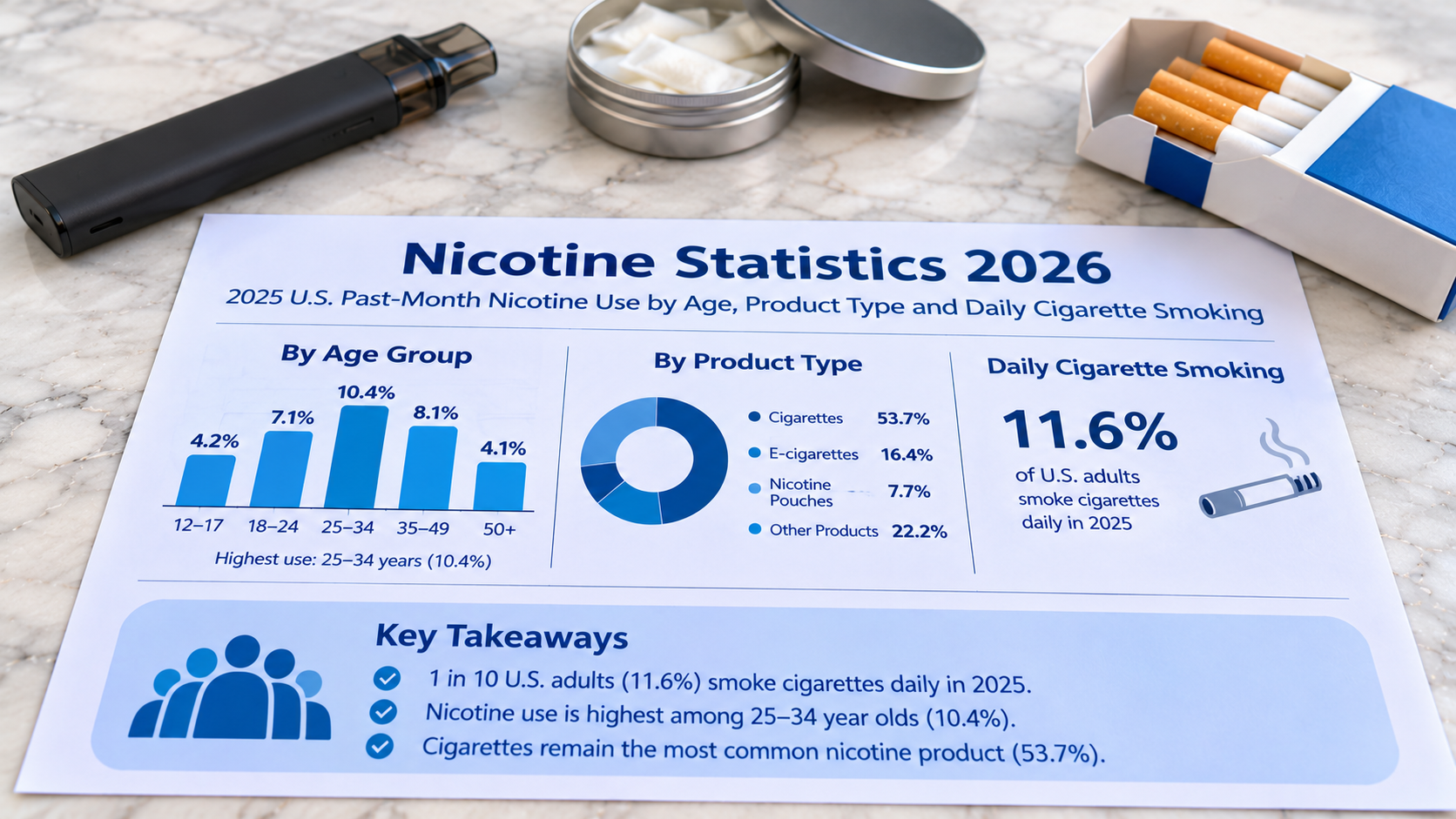
In 2025, 22.1% of U.S. people age 12 or older, or 64.2 million people, used a nicotine product in the past month. The 2025 NSDUH defined that measure as tobacco-product use or nicotine vaping. These nicotine statistics were published in 2026, but they describe 2025 behavior, not a projected 2026 rate. [1]
One headline number can hide a lot. Use changes sharply by age and product. Surveys define “current” use in different ways. Read youth and adult figures separately, keep the original data year attached, and do not mix observed survey estimates with global models or projections.
Key Takeaways: Nicotine Use, Dependence and Product Trends
- In the 2025 NSDUH, 22.1% of U.S. people age 12 or older, or 64.2 million people, reported past-month nicotine-product use. [1]
- Ages 18 to 25 had the highest 2025 past-month nicotine-product use rate among the NSDUH age groups at 27.9%, or 10.1 million people. [1]
- In 2025, explicit nicotine vaping reached 10.1% of people age 12 or older, while cigarette smoking reached 12.4%. [1]
- The 2025 NYTS found current e-cigarette use among 5.2% of middle and high school students, but that product-use measure does not prove every device contained nicotine. [2]
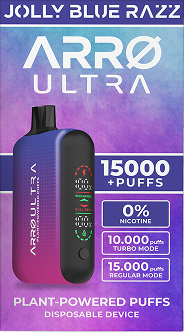
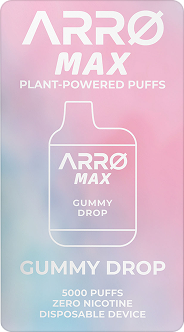
- For adults 21 and older who already smoke or vape and want a clear nicotine-content choice, ARRØ’s nicotine-free vape options are labeled 0% nicotine and keep a familiar inhale-and-exhale format without intentionally added nicotine, but they are not cessation treatment and nicotine-free does not mean risk-free.
| Statistic | What it measures | Year + source |
| 22.1% (64.2 million) | Past-month nicotine-product use among U.S. people age 12 and older, combining tobacco products and nicotine vaping | 2025 SAMHSA NSDUH [1] |
| 27.9% (10.1 million) | Past-month nicotine-product use among ages 18 to 25 | 2025 SAMHSA NSDUH [1] |
| 10.1% (29.3 million) | Past-month nicotine vaping among people age 12 and older | 2025 SAMHSA NSDUH [1] |
| 12.4% (36.1 million) | Past-month cigarette smoking among people age 12 and older | 2025 SAMHSA NSDUH [1] |
| 55.1% (19.9 million) | Share of past-month cigarette smokers age 12 and older who smoked daily | 2025 SAMHSA NSDUH [1] |
| 5.2% (1.44 million) | Current e-cigarette use among middle and high school students, one or more days in the past 30, not proof every device contained nicotine | 2025 FDA NYTS [2] |
| 1.7% (460,000) | Current nicotine-pouch use among middle and high school students | 2025 FDA NYTS [2] |
| 67.7%, 53.3%, 8.8% | Adults who smoked and wanted to quit, tried in the past year, and recently quit successfully for at least six months | 2022 CDC NHIS analysis [4] |
| 1.2 billion, 19.5% | Modeled global number of adult tobacco users and age-standardized current-tobacco prevalence | 2024 WHO estimate [5] |
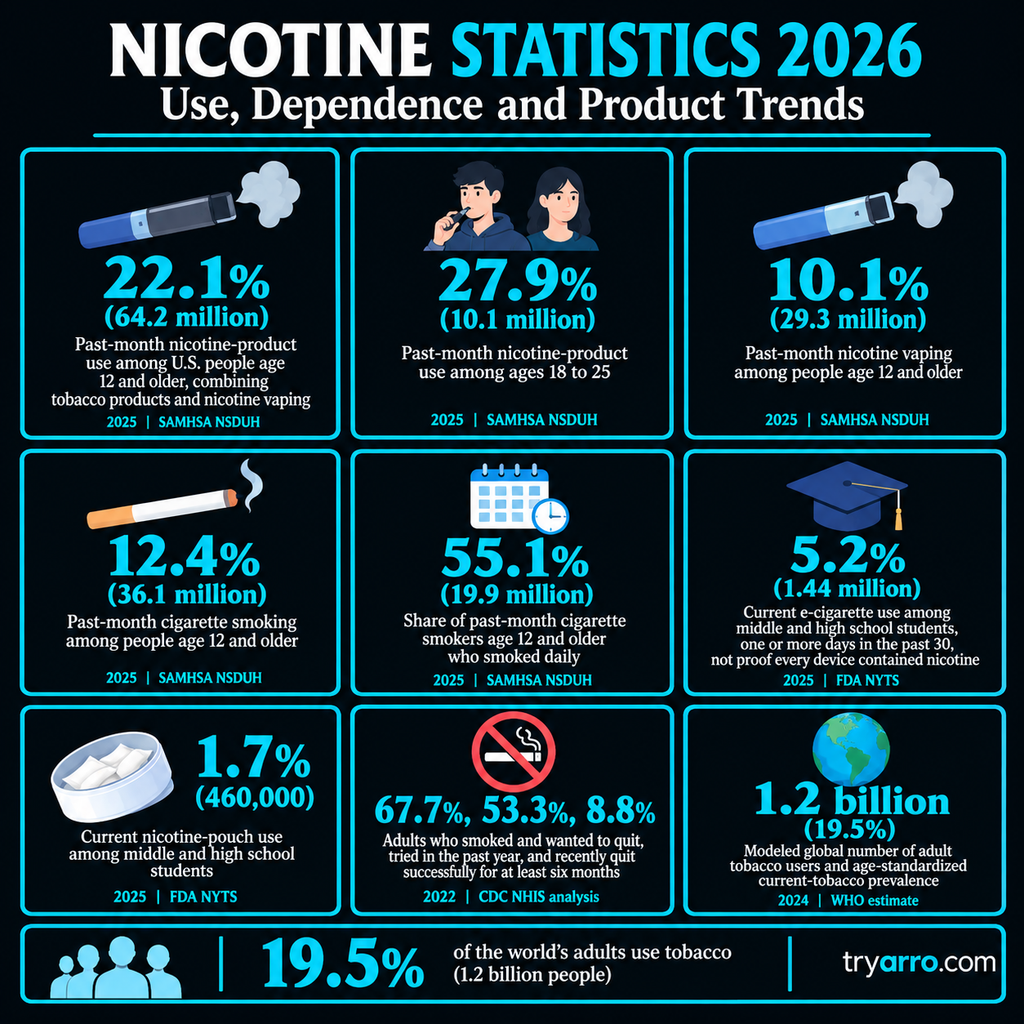
These nicotine use statistics compare measures with different populations and denominators. Product totals can overlap, and a rate among current users is not a rate among the full population.
Nicotine Use in 2025: What the Latest U.S. Data Shows. Source: SAMHSA, 2025 National Survey on Drug Use and Health. Product counts overlap and should not be added.
What the Latest U.S. Nicotine Statistics Show
The 2025 NSDUH found that 22.1% of U.S. people age 12 or older used a nicotine product in the past month, but no single survey captures every product, age group, and dependence measure under one definition.
The 2025 National Survey on Drug Use and Health, or NSDUH, covers the U.S. civilian noninstitutionalized population age 12 and older. The National Youth Tobacco Survey, or NYTS, covers students in grades 6 through 12. The National Health Interview Survey, or NHIS, focuses on the civilian noninstitutionalized adult population. Monitoring the Future adds grade-specific youth trends, so each system answers a different question.
2025 U.S. Overview
In the 2025 NSDUH, past-month nicotine use under the combined nicotine-product definition reached 22.1% of people age 12 or older. That works out to 64.2 million people. NSDUH combines tobacco products with vaping nicotine or tobacco under this measure, and its product counts overlap because one person can report more than one product. [1]
Within that group, 54.4% used only tobacco products, 27.0% only vaped nicotine, and 18.6% did both. Those mutually exclusive shares describe current nicotine-product users, not the full U.S. population. [1]
Past-30-Day, Daily and Current Use Are Not the Same
Daily nicotine use is a narrower frequency measure than past-30-day use, which can mean anything from one day of use to all 30 days. The denominator may be all respondents or only current users.
In 2025, 55.1% of past-month cigarette smokers age 12 or older reported smoking daily. That does not mean 55.1% of all Americans smoked every day. The percentage applies only to people who had already reported past-month cigarette smoking. [1]
NHIS uses another common definition. Its current cigarette and e-cigarette measures mean use every day or some days. In the preliminary 2025 NHIS estimate, 6.7% of U.S. adults currently used e-cigarettes under that every-day-or-some-days definition. [3] Comparing 6.7% directly with a past-30-day rate can mislead because the time window and wording differ.
Nicotine Use by Age in the United States
Young adults ages 18 to 25 had the highest 2025 NSDUH past-month nicotine-product use rate at 27.9%. Youth and older-adult estimates used separate denominators.
Youth and School-Age Use
Youth nicotine use in the 2025 NSDUH reached 6.9% among ages 12 to 17, equal to about 1.8 million adolescents. Explicit nicotine vaping was reported by 6.3%, or about 1.6 million. [1]
The school-based 2025 NYTS reported that 5.2% of middle and high school students, or 1.44 million students, currently used e-cigarettes. Among those current youth e-cigarette users, 27.5% reported daily use and 41.2% reported use on at least 20 of the past 30 days. [2]
NSDUH and NYTS are built differently. NSDUH uses age bands and includes adolescents who are not enrolled in school. NYTS samples students in grades 6 through 12. NYTS records e-cigarette use without verifying nicotine content, so its 5.2% figure is not a nicotine-exposure rate.
Young Adults and Adults Age 26 and Older
Adult nicotine use was highest among ages 18 to 25 in the 2025 NSDUH, at 27.9%, or 10.1 million people. Adults age 26 and older followed at 22.9%, or 52.4 million. [1]
The product mix varied by age. Explicit nicotine vaping was reported by 22.3% of ages 18 to 25, or 8.0 million people, compared with 8.6% of adults age 26 and older, or 19.6 million. [1]
From 2022 to 2025, nicotine vaping among ages 18 to 25 decreased from 24.0% to 22.3%. Among adults age 26 and older, it increased from 6.0% to 8.6%. [1] The report cautions that revised editing procedures affect nicotine-vaping estimates, so the trend should be read with the survey’s methodological notes rather than treated as a directly comparable series.
Product Trends: Cigarettes, Vaping, Pouches and Other Products
In the 2025 NSDUH, cigarette smoking reached 12.4% and nicotine vaping reached 10.1% among people age 12 or older. In the 2025 NYTS, e-cigarette use reached 5.2% and nicotine-pouch use reached 1.7% among middle and high school students.
Cigarettes and Combustible Tobacco
Cigarette smoking statistics from the 2025 NSDUH show that 12.4% of U.S. people age 12 or older, or 36.1 million people, reported past-month cigarette smoking. The rate was 1.3% among ages 12 to 17, 9.8% among ages 18 to 25, and 14.1% among adults age 26 and older. [1]
Nicotine is the main drug that drives dependence in cigarettes, but it is not responsible for every health effect of smoking. NIDA’s research report explains that combustion exposes people to tar and many other toxic chemicals. [6] That distinction matters when discussing nicotine statistics. Dependence and the disease burden of smoke are related, but they are not the same measure.
Nicotine Vaping and E-Cigarette Use
Nicotine vaping statistics from the 2025 NSDUH show that explicit nicotine vaping reached 10.1% of U.S. people age 12 or older, equal to 29.3 million people. The questionnaire asked about vaping nicotine or tobacco, which makes this a nicotine-specific estimate. [1]
E-cigarette use statistics from the preliminary 2025 NHIS show current use among 6.7% of adults age 18 and older. [3] NHIS classifies current users as people who use every day or some days. The estimate is adult-only. NSDUH covers age 12 and older and uses a past-month measure. ARRØ’s guide to how many people vape provides broader historical context, but its older measures should not replace the 2025 national estimates used here.
An e-cigarette statistic is not automatically a nicotine statistic. Some products are marketed without nicotine, and some surveys ask only about e-cigarette use. A nicotine claim needs a survey question or product test that establishes nicotine content.
Nicotine Pouches and Oral Products
Nicotine pouch statistics show that nicotine pouch use remained less common than e-cigarette use among students in 2025. The NYTS estimated current nicotine-pouch use at 1.7% of middle and high school students, or about 460,000 students. Among current youth pouch users, 17.6% reported daily use and 26.3% reported use on at least 20 of the past 30 days. [2]
Adult national pouch data are older. CDC reports that 2.9% of U.S. adults had ever used nicotine pouches and 0.4% currently used them in 2022. [7] Those numbers should not be presented as 2025 or 2026 prevalence.
Nicotine pouches contain nicotine without tobacco leaf. They are different from smokeless tobacco and from FDA-approved nicotine-replacement medicines. The FDA has not approved nicotine pouches as a smoking-cessation method. [7]
Other Nicotine-Containing Products
In 2025, past-month use included 9.8 million cigar users, 7.3 million smokeless-tobacco users, and 1.9 million pipe-tobacco users among U.S. people age 12 or older. These counts overlap with cigarette and nicotine-vaping counts and should not be added together. [1]
Do not fold heated tobacco, hookah, cigars, pipe tobacco, smokeless tobacco, nicotine pouches, and nicotine-replacement medications into one category. Some contain tobacco leaf, some deliver nicotine without it, and approved medications are regulated for cessation. Useful statistics keep those definitions visible.
Nicotine Dependence Statistics
Nicotine dependence statistics measure dependence separately from nicotine use rates, while broader nicotine addiction statistics may use different clinical or behavioral criteria. Surveys may assess cravings, loss of control, time to first use, daily behavior, or diagnostic criteria. None of those can be inferred from a use rate alone.
Adult Dependence Measures
A 2023 JAMA Network Open analysis of 152,354 U.S. adults with past-month cigarette use found that adjusted nicotine dependence declined from 59.52% in 2006 to 56.00% in 2019. [8]
The 56.00% endpoint applies to adults who smoked cigarettes in the past month, not all adults and not all nicotine users. The study defined dependence using the Nicotine Dependence Syndrome Scale or the Fagerström Test of Nicotine Dependence. [8]
This serial cross-sectional analysis relied on self-report and ended in 2019. It describes patterns within its measure, but it cannot diagnose an individual, explain what caused the change, or provide a current dependence rate for vaping or pouches.
Youth Dependence Signals
Daily or frequent use can signal a more established pattern, but it is not a clinical diagnosis by itself. In the 2025 NYTS, 27.5% of current youth e-cigarette users reported daily use. Among current youth nicotine-pouch users, 17.6% reported daily use. [2]
Both percentages use current product users as the denominator, not all students. Cravings, difficulty stopping, and use soon after waking can add context, but each requires its own validated measure.
Smoking Cessation and Quit-Attempt Statistics
In 2022, 67.7% of U.S. adults who smoked cigarettes wanted to quit, 53.3% tried to quit in the past year, and 8.8% had recently quit for at least six months. CDC’s analysis, published in 2024, keeps desire, attempts, treatment use, and recent success as separate outcomes. [4]
Wanting to Quit, Trying and Recent Success
Among U.S. adults who smoked cigarettes in 2022, 67.7% wanted to quit and 53.3% tried to quit in the past year. A separate 8.8% measure captured recent successful cessation for at least six months. [4]
Age patterns differed. Among ages 18 to 24, 74.4% made a past-year attempt and 15.3% met the recent-success measure. Among ages 45 to 64, the corresponding estimates were 47.5% and 5.6%. [4] These are survey outcomes for defined groups, not treatment success rates.
Readers who want practical next steps can use ARRØ’s guide on how to quit nicotine as general education. Personal medication choices, pregnancy, severe symptoms, and mental health concerns belong with a qualified health professional.
Counseling and Medication Use
Among adults in the 2022 analysis who tried to quit or recently quit, 38.3% used counseling or medication and 5.3% used both. [4] The survey measured reported methods. It was not a randomized comparison of treatment effectiveness.
The separate ARRØ guide to smoking cessation statistics explains how quit interest, attempts, success, and treatment studies use different denominators. Keeping those definitions separate prevents a national attempt rate from being mistaken for the effectiveness of one intervention.
Evidence-based cessation support can include counseling and FDA-approved medications. ARRØ is not a nicotine-replacement therapy, medical treatment, or FDA-approved cessation aid.
Global Nicotine and Tobacco Statistics
The strongest global figures cover tobacco use, not every nicotine source, and rely on modeled estimates rather than one worldwide survey.
WHO Global Estimates
WHO estimated 1.2 billion adult tobacco users worldwide in 2024, down from 1.38 billion in 2000. The modeled age-standardized prevalence of current tobacco use was 19.5% in 2024, including 32.5% among men and 6.6% among women. [5]
The WHO report produced its first global e-cigarette estimate. It placed worldwide use above 100 million people, including at least 86 million adults and 15 million adolescents ages 13 to 15. [5] These are modeled estimates built from national data, not a global census, and the e-cigarette total is not proof that every device contained nicotine.
Global tobacco prevalence is not global nicotine prevalence. Tobacco measures may omit nicotine products without tobacco leaf. E-cigarette estimates may include products with no verified nicotine.
Observed Data, Estimates and Projections
Observed survey estimates are weighted calculations from people who responded during a defined data year. The 2025 NSDUH, NYTS, and NHIS figures are population estimates, not literal head counts.
A modeled estimate combines multiple surveys, adjustments, and assumptions. WHO’s 2024 global numbers are modeled to improve comparability across countries with different data systems. [5]
A projection forecasts a later period. WHO’s report includes projections for 2025 through 2030, but those forecasts are not observed 2026 data. Keeping all three categories separate prevents a publication year from being mistaken for a measurement year.
Nicotine-Containing Versus Nicotine-Free Products
“Nicotine-free” is a product-specific label or test result. Flavor, device shape, and marketing language cannot establish nicotine content.
Removing nicotine changes nicotine exposure and removes nicotine as a direct driver of dependence from that product. It does not establish that inhaling an aerosol is harmless, medically beneficial, or suitable for youth and people who do not already smoke or vape.
How ARRØ Fits the Distinction
For adults age 21 and older who already smoke or vape and want to compare nicotine content, ARRØ labels its nicotine-free vape options as 0% nicotine and lists propylene glycol, vegetable glycerin, and flavoring. [10] The familiar inhale-and-exhale format can preserve part of the ritual without intentionally adding nicotine, which makes the nicotine-content choice clearer.
That first-party label does not prove a health outcome. ARRØ is not an FDA-approved cessation aid, does not treat nicotine dependence, and cannot guarantee quitting. Nicotine-free does not mean risk-free.
Adults comparing non-nicotine formats can review ARRØ’s broader vape alternatives collection for current options. Product pages establish ARRØ’s labels and inventory, not independent safety or clinical effectiveness.
Safety and Evidence Limits
Nicotine-free inhalation has not been proven harmless. CDC notes that scientists are still learning about the short-term and long-term effects of e-cigarette aerosol and that no e-cigarette has been approved by FDA as a smoking-cessation aid. [9]
Risk profiles differ across delivery methods. Combustible cigarette smoke exposes users to combustion products that are not produced in the same way by noncombustible products. That does not make every noncombustible or nicotine-free product safe. It means comparisons must name the product, exposure, outcome, and evidence.
How to Read and Compare Nicotine Statistics
Useful nicotine statistics name the population, survey mode, time window, denominator, data year, and uncertainty before comparing rates.
Survey Limitations
National surveys estimate population behavior from samples and weights. Every percentage and count carries sampling uncertainty, including a figure as precise-sounding as 64.2 million.
Self-report can bring recall and social-desirability bias. Household surveys may leave out institutionalized people and people without stable housing. School surveys miss youth who are absent, have left school, or learn outside the sampled system.
Questionnaire wording, editing rules, and data-collection modes can change. The 2025 NSDUH used in-person and web responses and applied updated editing procedures for nicotine-vaping measures. Small subgroup estimates may be unstable or suppressed. [1]
Cross-Survey Comparability
Start by checking the denominator. “5.2% of students” and “27.5% of current youth e-cigarette users” answer different questions, but both come from the 2025 NYTS. [2]
Next, check the time window. Past-30-day use, every-day-or-some-days use, ever use, and annual use are not interchangeable. Then check whether the survey measured nicotine content, a tobacco product, or e-cigarette use more broadly.
Population statistics describe groups. They do not diagnose an individual, prove causation, or tell one person which treatment to choose.
Frequently Asked Questions
The answers below separate nicotine-specific estimates from broader tobacco and e-cigarette measures, with the original data year and denominator kept beside each figure.
What Percentage of Americans Use Nicotine?
In 2025, 22.1% of U.S. people age 12 or older, or 64.2 million people, reported past-month nicotine-product use under the NSDUH definition. That measure combines tobacco-product use with nicotine vaping. It is not an adult-only or daily-use estimate. [1]
Which Age Group Has the Highest Nicotine Use Rate?
Ages 18 to 25 had the highest 2025 past-month nicotine-product use rate among the NSDUH age groups at 27.9%. [1] Another survey with different age bands, products, or definitions may produce a different ranking.
Are All E-Cigarettes Nicotine Products?
No. Some e-cigarettes are marketed without nicotine, and some surveys measure e-cigarette use without verifying contents. Use nicotine-specific survey questions or product-specific testing when making a nicotine claim.
What Is the Difference Between Daily and Past-30-Day Use?
Past-30-day use means any use on one or more days in the prior 30 days. Daily use is a higher-frequency subset and is often reported among current users rather than the whole population.
Are Nicotine Pouches Approved to Help People Quit Smoking?
No. The FDA has not approved nicotine pouches as a smoking-cessation method. [7] Commercial pouches are different from FDA-approved nicotine-replacement medicines.
Is Nicotine-Free Vaping Risk-Free?
No. Removing nicotine does not prove that inhaling an aerosol is harmless. Nicotine-free products should not be described as safe, healthy, or appropriate for youth and people who do not already smoke or vape. [9]
Are There 2026 Nicotine Statistics Yet?
This page is published in 2026, but the newest broad U.S. national figures used here come from the 2025 data year. National surveys need time for collection, weighting, analysis, and release, so older data years should not be relabeled as observed 2026 figures.
Read Nicotine Statistics With the Definition Attached
A useful nicotine statistic keeps its year, population, product, and denominator in view. Read 2025 U.S. survey results as weighted self-reports, 2024 WHO figures as modeled global estimates, and later-year projections as forecasts. Keeping those labels attached stops nicotine use, dependence, and product trends from blurring together.
If you are 21 or older and already smoke or vape, use the data to separate decisions about continued nicotine use, evidence-based cessation support, and nicotine-free ritual options. ARRØ’s 0% nicotine collection lets you compare the label, listed ingredients, and available formats before buying. It is not a cessation treatment, and nicotine-free inhalation is not risk-free. Take personal quit plans and medical questions to a qualified health professional.
References and Sources
[1] Substance Abuse and Mental Health Services Administration. “Key Substance Use and Mental Health Indicators in the United States: Results from the 2025 National Survey on Drug Use and Health.” July 2026. Accessed 16 Nov. 2026.
[2] U.S. Food and Drug Administration. “Results from the Annual National Youth Tobacco Survey, 2025.” June 2026. Accessed 16 Nov. 2026.
[3] National Center for Health Statistics. “Cigarette Smoking and Electronic Cigarette Use.” Centers for Disease Control and Prevention. 2025 NHIS early-release estimates. Accessed 16 Nov. 2026.
[4] VanFrank, Brenna, et al. “Adult Smoking Cessation, United States, 2022.” Morbidity and Mortality Weekly Report, vol. 73, no. 29, 2024. Accessed 16 Nov. 2026.
[5] World Health Organization. “WHO Tobacco Trends Report: 1 in 5 Adults Still Addicted to Tobacco.” 6 Oct. 2025. Accessed 16 Nov. 2026.
[6] National Institute on Drug Abuse. Tobacco, Nicotine, and E-Cigarettes Research Report. National Institutes of Health. Accessed 16 Nov. 2026.
[7] Centers for Disease Control and Prevention. “Nicotine Pouches.” 31 Jan. 2025. Accessed 16 Nov. 2026.
[8] Weinberger, Andrea H., et al. “Patterns and Characteristics of Nicotine Dependence Among Adults With Cigarette Use in the US, 2006-2019.” JAMA Network Open, 2023. Accessed 16 Nov. 2026.
[9] Centers for Disease Control and Prevention. “E-Cigarettes (Vapes).” 31 Jan. 2025. Accessed 16 Nov. 2026.
[10] ARRØ. “Nicotine-Free Vapes.” Accessed 16 Nov. 2026. First-party brand proof only.
 Cessation Cravings: