
If you’re wondering how to break the hand-to-mouth habit after vaping, your hand may move before you’ve even decided you want the vape. Then comes that strange half-second when you remember it isn’t there. The reach can stick around long after the nicotine is gone because coffee, driving, stress, and dozens of tiny pauses still point to the same old move.
Work through four moves. Notice the cue, interrupt the reach, choose a replacement that matches what you miss, then taper it once the new routine feels steady.
This guide focuses on the learned routine. Strong withdrawal or a real risk of relapse deserves extra help from a clinician or quit-support service.
Why the Hand-to-Mouth Habit Can Linger After Nicotine Is Gone
Nicotine withdrawal can overlap with a learned routine, yet each asks for a different response. Withdrawal can bring strong cravings, irritability, restlessness, or trouble concentrating.
The hand-to-mouth habit after quitting vaping can act like a repeated vaping habit loop. A cue hits, you reach, lift, draw, pause, and exhale.
That sequence can show up even when you do not feel a clear nicotine craving. Coffee starts brewing. You get into the car. A meeting ends.
You finish a meal. Your hand heads toward the pocket or desk where the vape used to sit.
People often call this “oral fixation after quitting vaping.” That phrase is familiar, but you do not need a label to work with the pattern. Break it into observable parts instead.
Ask what pulls hardest in that moment.
- Hands that miss holding something
- A mouth that expects flavor or pressure
- The draw, slow exhale, or short break
- The social moment around vaping
Once you know which piece is pulling hardest, you can choose a better match.
Is It a Nicotine Craving or a Learned Vape Cue?
A nicotine craving often comes with broader withdrawal symptoms, but a learned vape cue is usually tied to a familiar time, place, or motion.
The difference matters because the tools do different jobs. A zero-nicotine disposable vape can serve as a ritual bridge for current adult users, but it cannot replace medical care or approved quit support when withdrawal is strong.
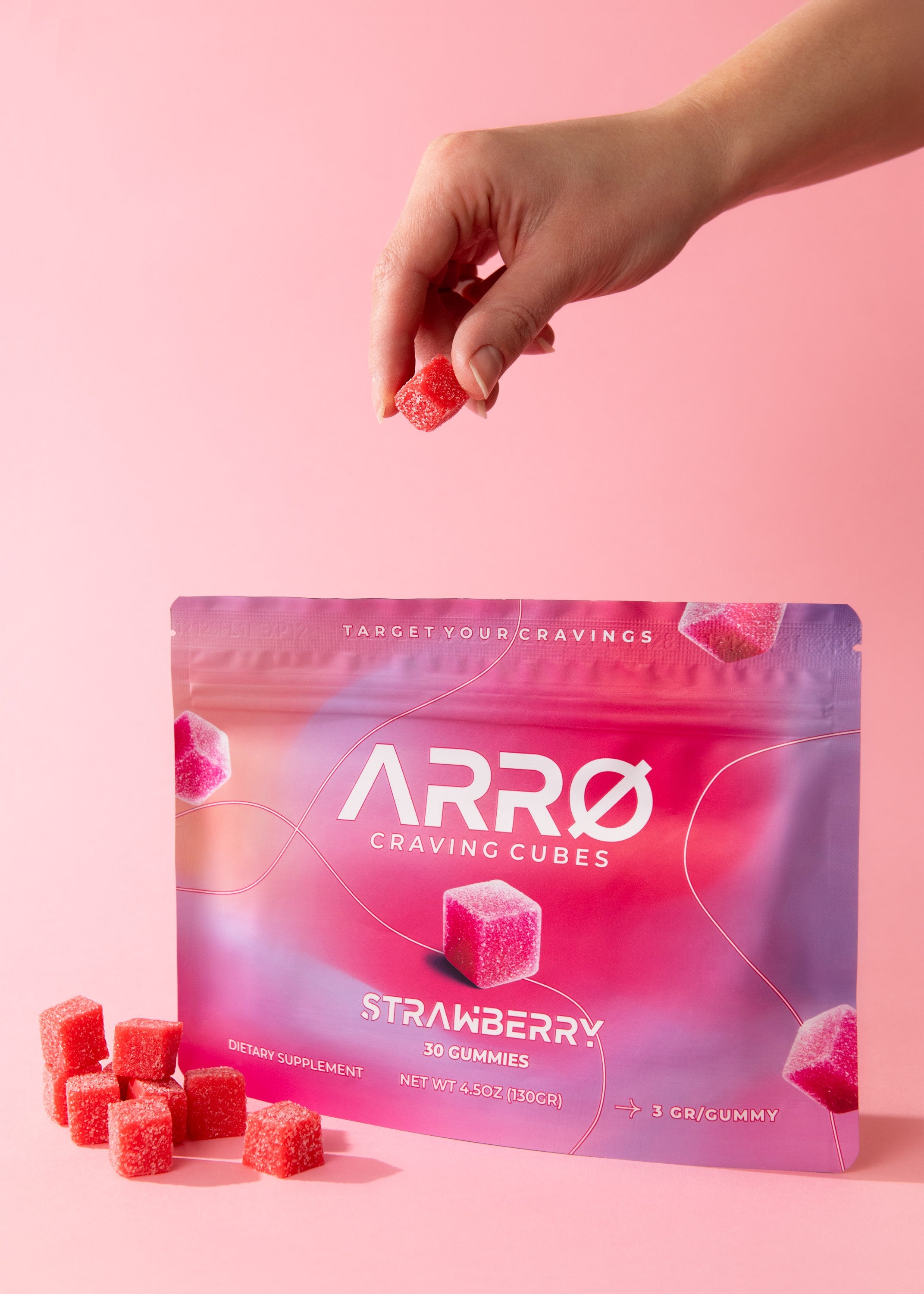
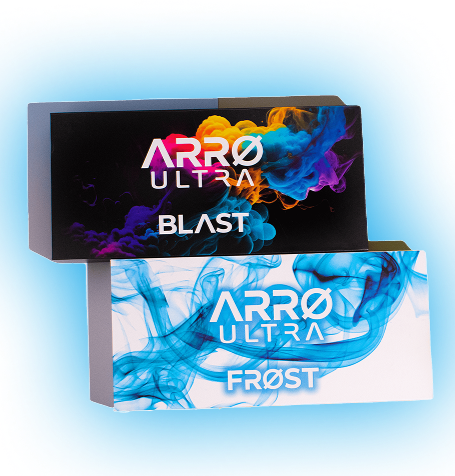
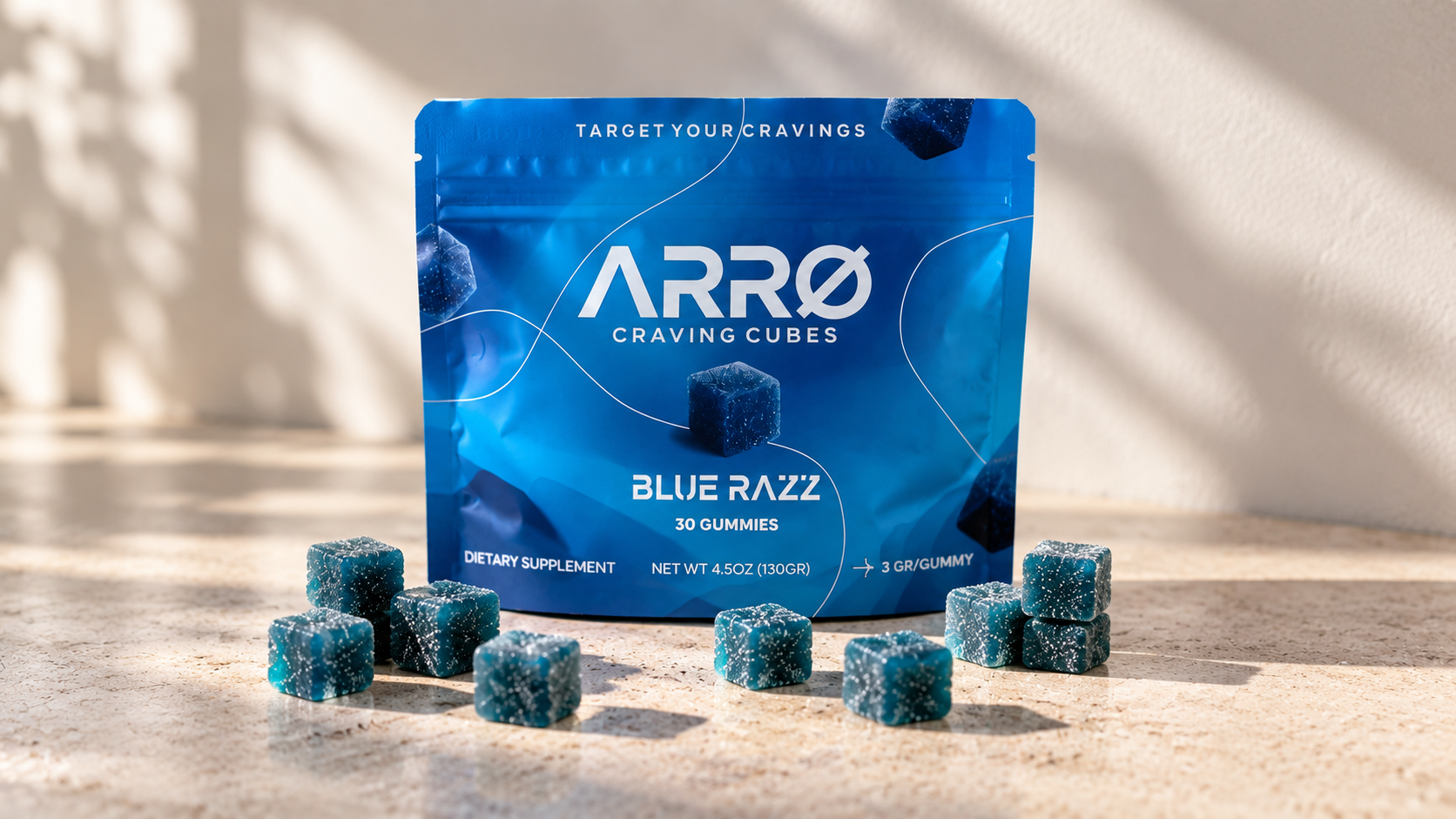
ARRØ makes the split easy to see. Ultra keeps the draw and hand-to-mouth rhythm without nicotine, and Craving Cubes offer a non-inhaled, 0% nicotine chewable routine. Neither is an NRT or a treatment.
Use your trigger notes as the test. If the pull follows coffee, driving, or a break and eases after another ritual, you may be dealing with the learned cue. If strong cravings or other withdrawal symptoms stay in the picture, bring a clinician or quit coach into the plan.
Catch the Reach Before It Happens
Learning how to stop reaching for a vape starts with awareness, not willpower. Your goal is to catch the earliest part of the loop, when you still have room to choose another action.
The National Cancer Institute’s Smokefree guidance groups vaping triggers into social, everyday, emotional, and withdrawal-related situations. That is useful because “I want to vape” is often too broad to solve. “I reach after lunch when I am restless and want a strong flavor” gives you something concrete to change.
Run a Three-Day Trigger Audit
For three days, make a quick note whenever you notice your hand moving or the urge to reach. Record these details.
- Time
- Place
- Emotion
- Activity
- Who is around
- What you miss about vaping
Keep it easy. A six-word phone note beats a detailed journal you’ll avoid. “Mid-afternoon, desk, bored, hand plus flavor” tells you plenty.
At the end of three days, find the two situations that show up most. Practice with one first. You’re building a reliable response, not trying to redesign your whole life before breakfast.
Remove Easy Cues and Rebuild High-Risk Routines
Clear out devices, pods, chargers, packaging, and other visual reminders from the places where you reached automatically. Then put the replacement in the old location. A cold bottle in the cup holder or a smooth stone in the desk drawer lets the same cue lead somewhere new.
Build a practical quit vaping routine by changing one high-risk moment. Shower before coffee. Take your work break in another spot. Walk for two minutes after dinner instead of sitting in the chair where you used to vape.
Make the new action easier than the old one. Prepare it before the trigger arrives. If you have to search for your gum, fill a bottle, or find a fidget while the urge is loud, the old routine already has a head start.
Match the Replacement to What You Miss
If you’re deciding what to do instead of vaping, choose a replacement that covers the missing function in that specific moment without creating a new problem. Trendy doesn’t matter here.
Use a quick match test and ask what the moment is missing. Look for hand movement, mouth sensation, flavor, breathing, or the setting itself. Replacement behaviors for hands and mouth can work together, such as a bottle with a straw for your mouth and a coin for your hand. Our broader guide to oral fixation alternatives can help you compare options, but your trigger audit should make the final call.
If Your Hands Need Something to Do
If you’re unsure what to do with your hands after quitting vaping, choose an object that is safe, easy to carry, and satisfying to move. Try one of these options.
- A pen you use for writing
- A smooth worry stone, coin, stress ball, or putty
- Doodling or knitting
- Another activity that keeps both hands busy
Where you keep the object matters as much as what it is. Put it in the pocket, cup holder, desk drawer, or bag where the vape used to live. Repeating the swap in the old setting can help the cue point toward a different motion.
Skip improvised objects that can crack, splinter, or become a choking hazard. Pen caps and small loose parts do not belong in your mouth, convenient or not.
If Your Mouth Misses Flavor, Pressure, or Chewing
There is no universal list of healthy substitutes for vaping. Start with non-inhaled options that match the texture and intensity you miss.
- Sugar-free gum or mints
- Crunchy vegetables or sunflower seeds
- Unsweetened tea
- Cold water through a straw
A strong mint can mark the end of a meal, but slow sipping may fit a drive or a long stretch at your desk.
Check labels if you have allergies, dental concerns, jaw discomfort, or reasons to limit added sugar. You are looking for a repeatable swap, not a replacement that leaves you sore or mindlessly snacking all day.
Pair mouth sensation with a hand tool. Holding a cold bottle while you sip often covers more of the old sequence than gum alone.
If You Miss the Draw, Pause, and Exhale
Keep the pause, but leave out the aerosol. Breathe in slowly through your nose, pause only as long as feels comfortable, then exhale slowly through your mouth. Repeat the cycle a few times while your hands hold a bottle, fidget, or the edge of your chair.
A straw or purpose-built air-resistance device can help replace the hand-to-mouth motion by cueing the breathing routine and giving the old “take a draw” moment a different ending. It does not treat cravings or anxiety.
If the motion still feels unfinished, add movement. Stand up, change rooms, or walk to the end of the block after the final exhale.
What Should You Check Before Choosing a 0% Nicotine Bridge?
A 0% nicotine bridge should match the part of vaping you miss and come with a clear exit plan.
Questions about nicotine-free vape safety start with the label, since nicotine-free is not the same as risk-free. Check that the product is intended for adults, note whether it creates aerosol, and decide which triggers it will cover.
ARRØ Ultra is built for adult users who want the familiar draw, flavor, inhale, and exhale with 0% nicotine and no tobacco. That makes it a closer ritual match than gum, a straw, or a fidget, but it keeps more of the original routine in place.
If your goal is to move away from inhalation, ARRØ Craving Cubes offer a non-inhaled, 0% nicotine chewable format. They are support, not a treatment, and they do not remove the need for professional help when withdrawal is hard to manage.
Whichever route you choose, name its stop condition before you start. That could mean reserving it for two high-risk triggers, then shifting those moments to water, breathing, or another non-inhaled tool as the reach gets less automatic.
Build a Replacement Plan for Your Biggest Triggers
When the cue appears, use your chosen replacement for a few minutes, then change location or activity. Decide on a backup too. The tool that works on your sofa may feel awkward in the car, office, restaurant, or a crowded social setting.
Write the plan before you need it. Here is a practical starting point you can adjust to your day.
|
Cue |
What you may miss |
First replacement |
Backup action |
|
Morning or coffee |
Hand motion, flavor, first pause |
Water beside bed, then coffee in a new spot |
Shower first or switch drinks briefly |
|
Driving |
Hand-to-mouth motion and steady sipping |
Cold bottle with a straw |
New route or playlist |
|
Work break |
Pause, movement, and social cue |
Walk and refill water |
Message a supporter or use a fidget |
|
After meals |
Strong flavor and a finished signal |
Brush teeth or use a mint |
Clear the table and change rooms |
|
Stress or social settings |
Pause, breath, and something to hold |
Slow breathing with a drink in hand |
Step away, move, or use your exit script |
Morning, Coffee, Driving, Work Breaks, and After Meals
Morning reaches often happen before your thinking brain feels fully online. Put water beside the bed, shower before coffee, or move your first drink to a different chair. The point is to break the old sequence at its first link.
With coffee, change the cup, location, or activity around it. Hold the mug with both hands. Add a mint after the first few sips. If coffee itself feels too tightly tied to vaping, switch drinks for a short period and test again later.
In the car, keep both the first replacement and the backup within safe reach before you start driving. A cold bottle with a straw can cover hand and mouth cues. A familiar playlist or a new route changes the context around the cue.
For work breaks, leave the old vape spot. Walk, stretch, refill your water, or message someone supportive. After meals, stand up right away, brush your teeth, use a strong mint, or clear the table.
Repeat the replacement in the original setting when it feels manageable. With practice, the cue may start to point toward a new next step.
Stress, Boredom, and Social Situations
Stress can make the old routine feel urgent because vaping used to create a predictable pause. Pair slow breathing with movement or a change of scene. Step outside without a device, walk to another room, or stretch while you exhale.
Boredom needs more than something to hold. Pick an activity that occupies your hands and attention. Try a small puzzle, sketching, cooking prep, a game, or a task you can finish in five minutes.
A fidget may carry you through a meeting and still fall flat during an empty evening.
Social triggers deserve a script. “No thanks, I quit” is enough. Hold a drink or another object, ask supportive friends not to offer a vape, and give yourself permission to leave when the setting starts wearing down your plan.
Positive emotions count too. Celebrations, alcohol, concerts, and seeing someone else vape can wake up the old routine even when you feel good. Decide in advance what will be in your hand and how you will step away if the pull gets stronger.
Use a Nicotine-Free Bridge Without Making It the End Goal
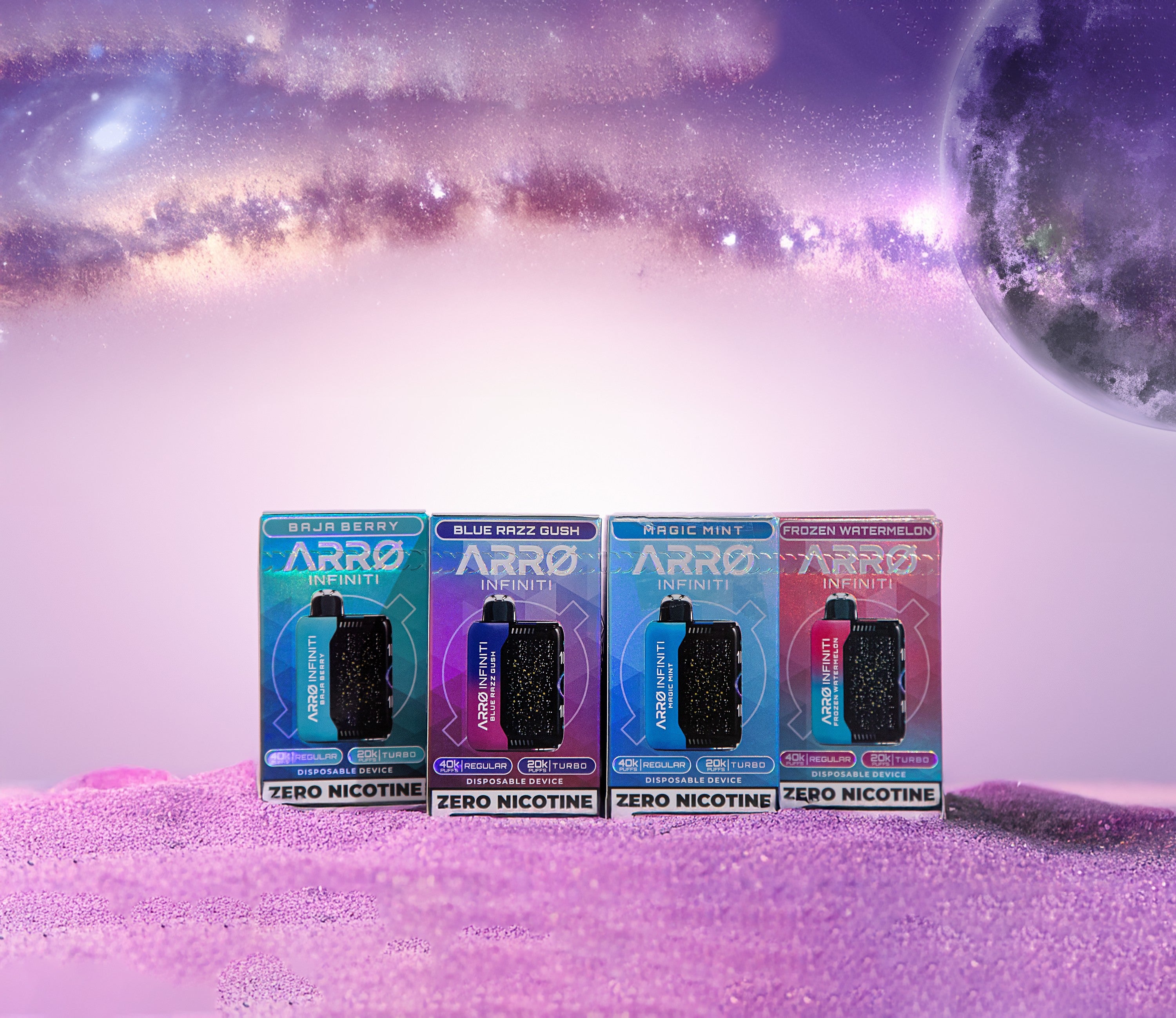
A nicotine-free vape may serve as a temporary ritual bridge for adults 21 and older who already smoke or vape. It is only for current adult smokers or vapers. The familiar hand-to-mouth format stays in place, but the product contains no nicotine or tobacco.
ARRØ Ultra is one 0% nicotine option made with vegetable glycerin and real flavor extracts. It keeps the familiar draw, flavor, inhale, and exhale. For some adult users, that may make the first change feel less brutal.
Keep the limits clear. A nicotine-free vape still preserves the physical routine and creates aerosol. It is not risk-free, clinically backed, FDA approved, an NRT, or proven to make someone quit.
The CDC notes that no e-cigarette product is FDA approved to help people quit smoking and that e-cigarette aerosol is not harmless. Read what zero-nicotine vapes can and cannot do before deciding whether an inhaled bridge fits your plan.
If you want a non-inhaled ARRØ format, Craving Cubes provide a 0% nicotine chewable routine. Treat them as an optional support, not as a treatment for withdrawal or a guarantee against cravings.
Give any bridge an exit plan from day one. Decide which triggers it is for, which situations will use a non-inhaled replacement, and what progress toward less automatic reaching will look like.
Taper the Replacement So the Habit Gets Weaker
If you’re asking how long the hand-to-mouth habit lasts, no single timeline fits everyone. A substitute has done its job when it gives you enough space to choose. Once the new response feels steady, use it less often.
Begin with a small delay. When the cue appears, wait one minute while taking a slow breath or changing rooms. If the urge stays manageable, extend the delay.
Limit the substitute to the two hardest triggers and use a less ritual-like option everywhere else.
Add friction gradually. Keep the replacement in a bag instead of your pocket, or across the room instead of on the desk. Do not remove every backup at once. High-risk moments still deserve a plan.
Watch the direction instead of demanding an unbroken streak.
- Are reaches less frequent?
- Do they feel less intense?
- Can you catch them sooner?
A rough day does not erase the practice you have already done. It tells you which trigger needs a stronger first or backup response.
Know When Cravings Feel Bigger Than a Habit
Sometimes the hand-to-mouth routine is only one layer. If you are struggling to manage vape cravings, nicotine withdrawal may still be active. Strong nicotine withdrawal cravings, irritability, restlessness, trouble concentrating, sleep problems, or repeated returns to nicotine can signal that relapse risk needs attention.
That is a good time to talk with a clinician, pharmacist, or trained quit coach. Call 1-800-QUIT-NOW for free support in the United States.
Smokefree’s cravings guidance recommends professional help when withdrawal symptoms or quitting concerns are hard to manage. The same guidance notes that medications used for smoking cessation have not been FDA approved to help people quit vaping, so discuss your situation with a health professional rather than prescribing yourself a plan.
A slip is information, not proof that you failed. Ask what happened right before it, which part of the routine was missing, and whether your replacement was available. Then adjust the plan and start with the next cue.
Make the Next Reach a Different One
Learning how to break the hand-to-mouth habit after vaping starts with your most common trigger. Put one matched replacement where the vape used to be, choose a backup, and practice the swap the next time the cue appears.
One stubborn trigger does not mean you need more willpower. It means the replacement needs to fit the moment. ARRØ built its 0% nicotine line around that missing ritual, and third-party vape reviewers have praised the Ultra for steady flavor and a familiar draw. Use your trigger audit first, then decide whether a non-inhaled tool or a short-term nicotine-free bridge gives you enough room to make the next reach a choice.
You’re aiming for more choice and fewer automatic reaches, one repeat at a time. Explore more oral fixation tools, or browse ARRØ’s nicotine-free vapes if you’re an adult user and a temporary ritual bridge fits your quit plan.
 Cessation Cravings: