Is Any Vape Actually Safe? Setting the Record Straight
You’re staring at a shelf, or a screen, weighing which vape is going to do the least damage. Maybe you’re switching off cigarettes. Maybe you’re switching off nicotine altogether. Either way, you already know the risks, and you’re here because you want the least bad option someone will tell you the truth about.
Here is the honest answer. No vape is 100% safe. Anyone telling you different is selling something they can’t back up.
The safest vapes available in 2026 are 0% nicotine devices from independent, transparent brands that publish their ingredients, avoid diacetyl and vitamin E acetate, and are engineered with real battery and coil protections. That’s the short version. The rest of this guide is the reasoning, the ranked shortlist, and the brands you should probably skip.
What Actually Makes a Vape Safer in 2026
Every “safest vape” list needs a rubric, or it’s brand-friendly noise dressed up as advice. Here are the five filters you can run any device through, whether or not you buy from anyone on our list. These are the criteria that separate a legitimate nicotine-free brand from a gas-station disposable with a scary ingredient sheet.
0% Nicotine (Removing the Addiction Loop)
Nicotine is what keeps you coming back. It’s the addictive component of every traditional vape and every cigarette, and the CDC has been clear that continued nicotine use is what drives dependence. A vape with 0% nicotine cannot pull you back into that loop. It’s one of the cleaner ways to keep the ritual of vaping without the chemical hook.
This is a safety criterion, not a quit promise. Nicotine-free devices remove the addiction driver. What you do with the ritual after that is your call. Pouches sit in the same category: the format changes, the addiction driver does not. Anyone weighing nicotine pouch alternatives is running this exact filter.
Clean, Transparent Ingredients
A legitimate vape brand will tell you exactly what’s inside. Vegetable glycerin, propylene glycol, real flavor extracts. If the ingredient list reads like a chemistry midterm, or worse, is missing entirely, that’s your signal to walk.
The specific ingredients to steer clear of are diacetyl, vitamin E acetate, acetoin, and any “proprietary blend” that is really a way to hide additives. We’ll cover each in more detail below. The general rule is simpler. If you can’t pronounce it and the brand won’t explain it, they earned your skepticism.
Third-Party Lab Testing
ISO 17025 is the accreditation standard for testing labs. In plain English, it means an independent lab, not the brand itself, ran the numbers. A brand that publishes those results is showing its work. A brand that won’t show them is hoping you don’t ask.
You shouldn’t have to email support to see a test result. If it isn’t on the site, that’s a pattern. A handful of brands publish these openly, including ARRØ and Cyclone Pods. Most disposables you find at a convenience counter do not.
Device Engineering and Battery Safety
A safer vape is engineered like a safer vape. That means short-circuit protection, over-puff protection, and over-charge protection built into the hardware. These are the features that keep a vape from overheating in your pocket or dry-puffing formaldehyde into your lungs.
Gas-station disposables often skip these protections to hit an $8 price point. That’s a documented pattern across the entire budget-import category, and it is one reason the FDA continues to publish guidance on battery-related e-cigarette incidents.
Regulatory Compliance and Transparency
PMTA stands for Premarket Tobacco Application. It is the FDA process a nicotine vape has to go through to legally be marketed in the US. Having PMTA on file doesn’t mean a product is safe. It means the brand cleared a regulatory hurdle.
Absence of PMTA is not automatic disqualification, especially for 0% nicotine products that sit outside that framework. Actively dodging disclosure is a different story. A legitimate brand will tell you where it’s registered, where it operates, and what it’s willing to put on the record.
The Safest Vape Brands to Use in 2026
These are the 10 we’d put in front of someone who came to us asking. We built the list around the five criteria above, and we ranked our own brand first. Yes, we know that looks like exactly what a brand’s own guide would do. Read the reasoning under each entry, then decide.
The list is a mix of nicotine-free disposables, refillable pod systems, and beginner-friendly vape pens. We wove in the safest disposable vape brands and safest vape pens options so you can find a match for how you actually vape.
1. ARRØ (Ultra and Infiniti)
Yeah, we’re ARRØ. Here’s why we still put us at #1.
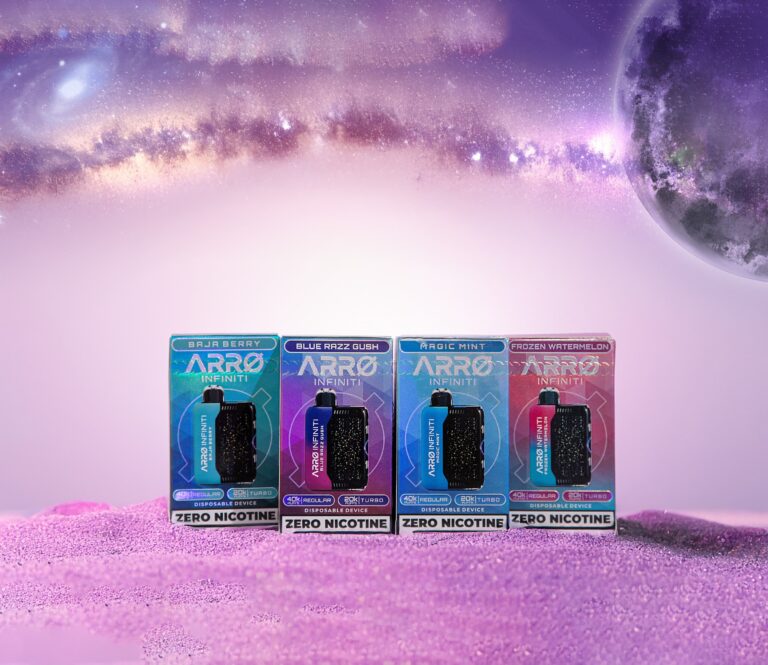
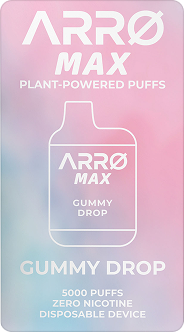
We were built nicotine-free from day one. Not a spinoff line from a nicotine company, not a wellness-vape rebrand. Every ARRØ device is 0% nicotine, tobacco-free, and plant-powered, and every one of them is free of diacetyl, formaldehyde, and vitamin E acetate. Our lineup uses vegetable glycerin and real flavor extracts, which is why our devices taste and hit closer to a real nicotine vape than the essential-oil brands you have probably tried.
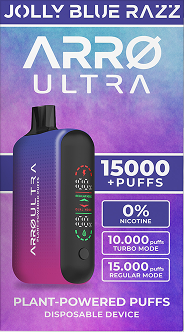
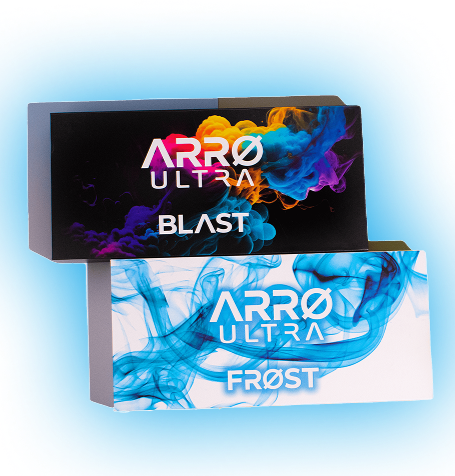
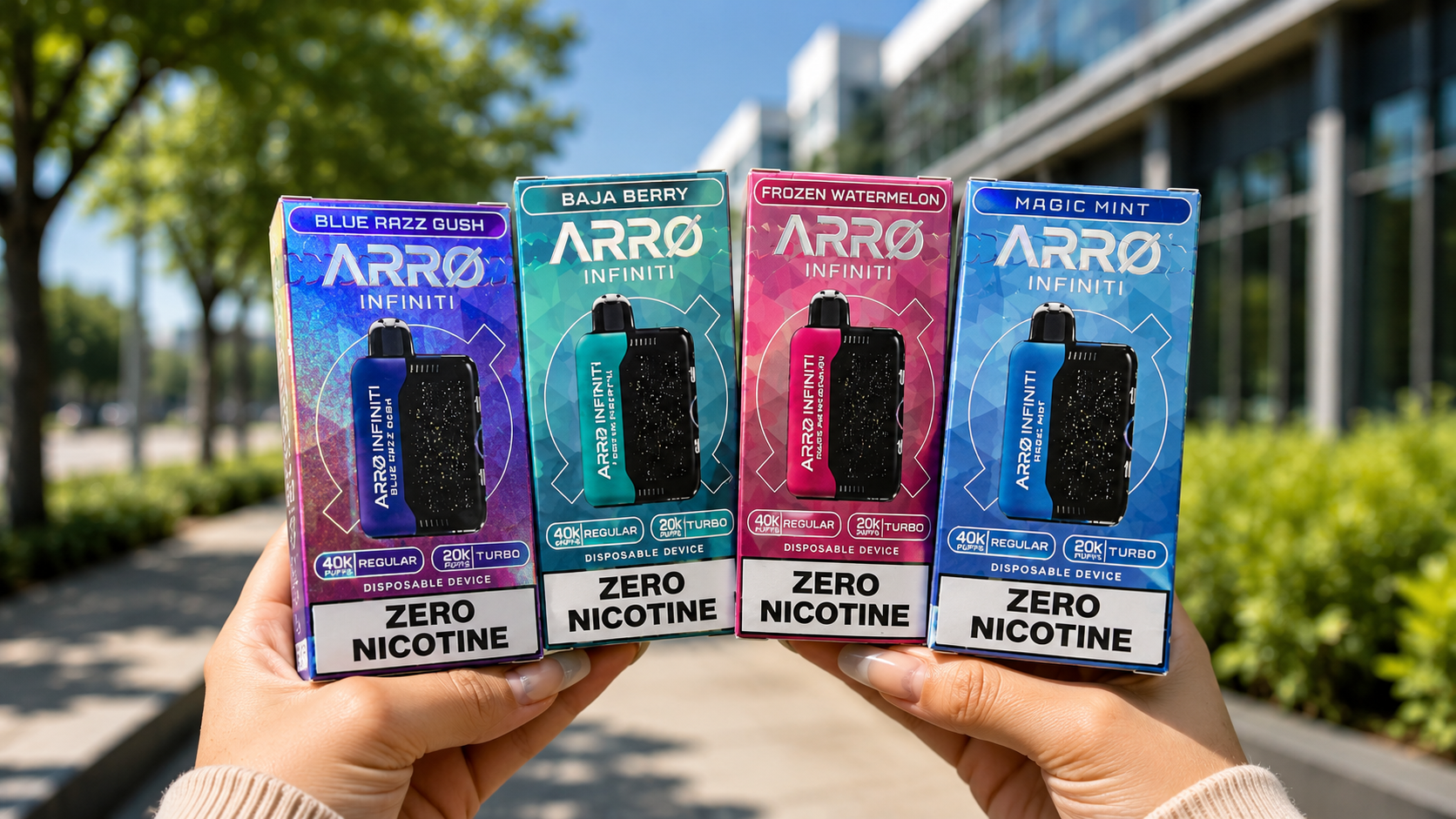
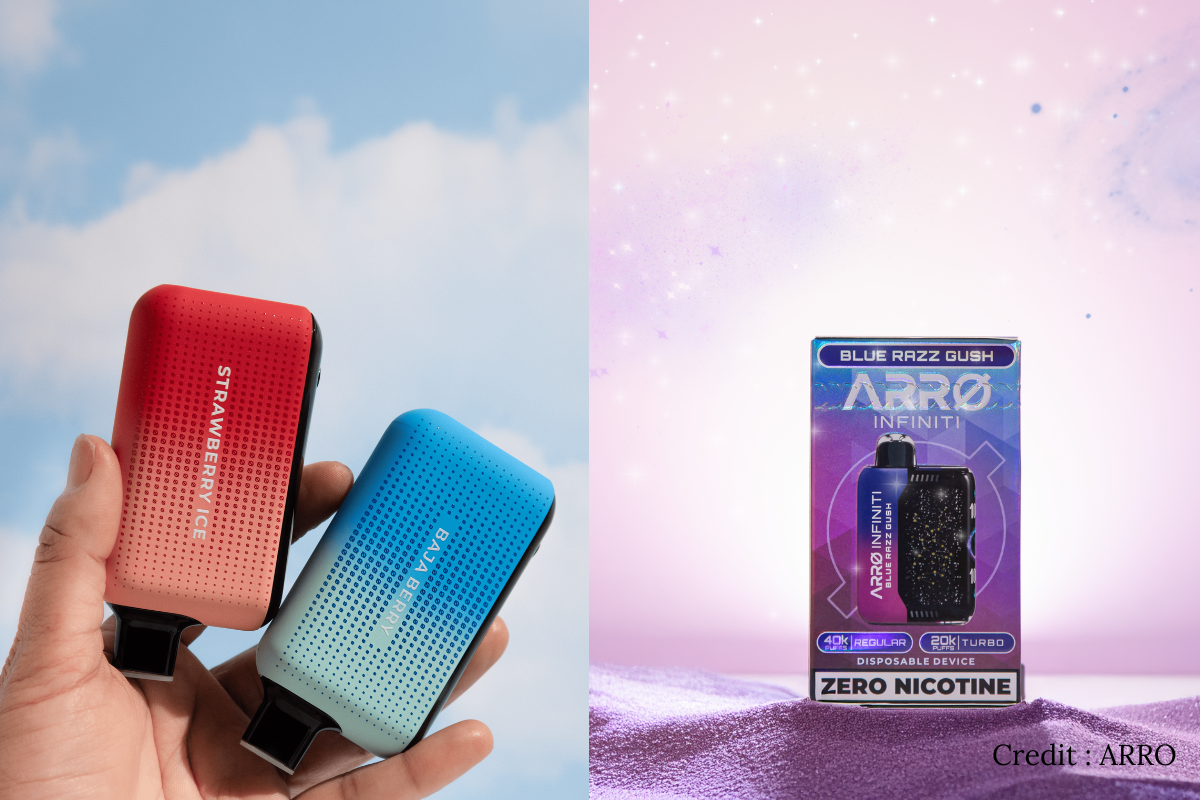
Two products to pick between. The ARRØ Ultra is the everyday device, with up to 15,000 puffs, an on-device screen, turbo mode, and the familiar disposable format. The ARRØ Infiniti is the go-big option, running up to 40,000 puffs, with adjustable airflow, built for heavy daily users switching off nicotine.
If the ritual is what you miss most about vaping, this is the swap that keeps it.
2. Ripple+
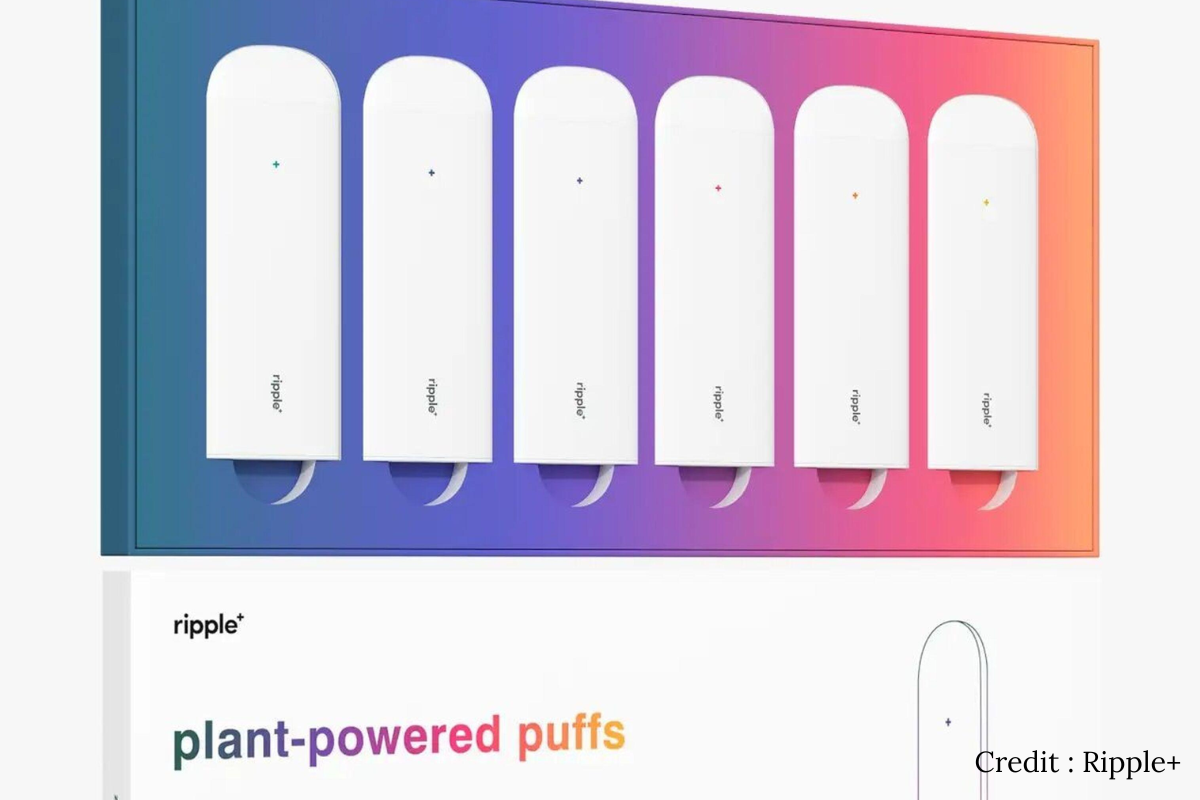
UK-based, 0% nicotine, plant-based, third-party tested. Ripple+ leans into an aromatherapy angle rather than a straight nicotine-replacement pitch, which will land for some readers and not others. If that aromatherapy approach appeals to you, it is worth looking at how Ripple+ and Capnos compare before deciding. Two words get used loosely across this whole category. Ripple+ puts botanical extract into the vapor itself, while most herbal vape pens use an herbal-inspired flavor in a standard vegetable glycerin base. Neither is wrong, but they are different products, and the label rarely tells you which one you are holding.
The line is solid outside of ARRØ if you want a nicotine-free option from an independent brand. The weaknesses are real. US availability is inconsistent, the flavor lineup is smaller than ours, and the puff count on most Ripple+ devices lands well below what a heavier user is going to want.
3. Cyclone Pods (Gust Pro and Lightning)
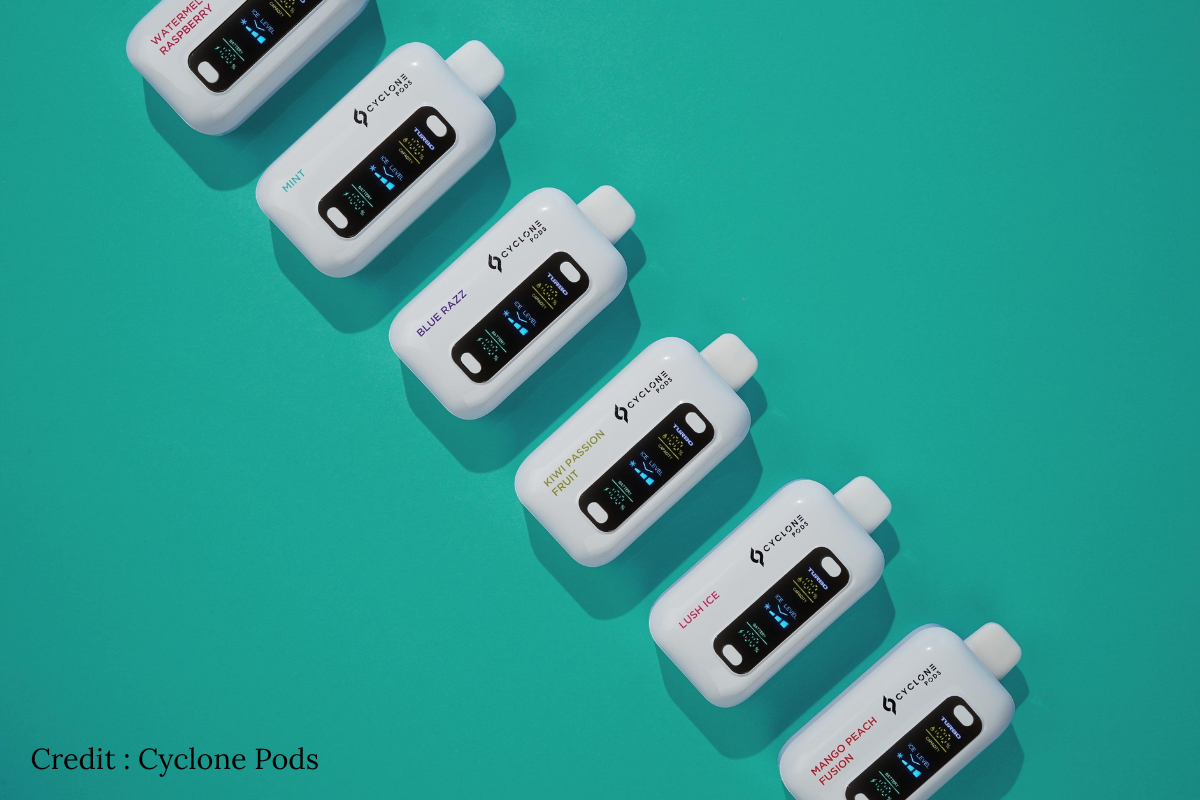 US-based, pod-based system, refillable, and one of the very few in the space that publishes ISO 17025 lab results in the open. Credit where it is due. That transparency alone puts them ahead of most disposables on the shelf.
One catch. The pod format has a learning curve. If you want a plug-and-play disposable, this is not it. If you want more control, it is a real option.
4. HealthVape (With a Caveat)
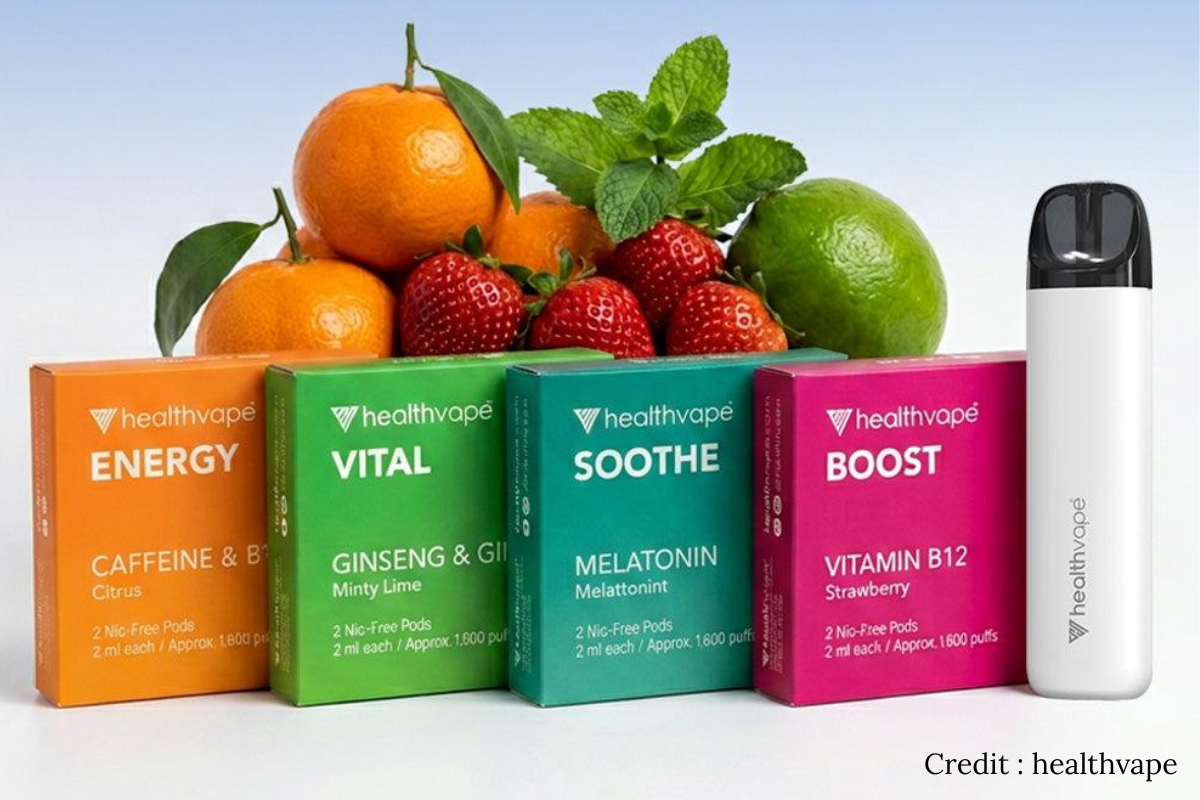 0% nicotine, marketed as a wellness or aromatherapy vape. The core product is not on the FDA warning-letter list we cover in the “brands to avoid” section, but any brand that leans hard on health language deserves a second look. Inhaled vitamins do not work the way ingested vitamins do. We’ll get to why in a minute.
Included on the list, but read the caveat below before you pick one up. The pattern in HealthVape reviews matches that caveat: buyers like the flavors and the wind-down, and they get skeptical exactly where the vitamin marketing starts.
5. Elf Bar BC5000 (0% Version Only)
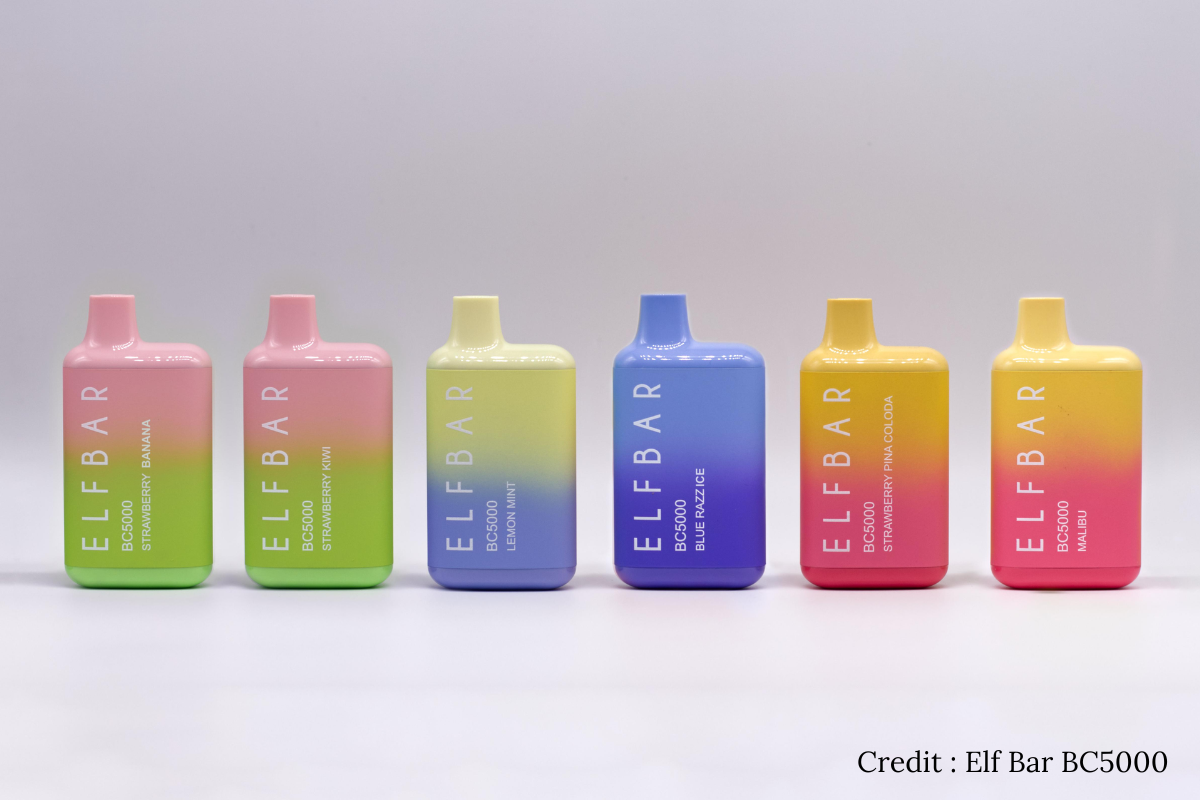 Elf Bar’s zero-nicotine model is a familiar device with a high puff count. It is the kind of format someone stepping off nicotine will already know how to use, and that familiarity has value.
One important caveat here. The nicotine versions of Elf Bar have faced FDA seizure orders in the US market. Stick to the 0% variant, and only from a legitimate retailer. The gray market for Elf Bar knockoffs is loud, and you do not want to end up with one. The same caution applies to another fruity disposable people ask about, and our guide to Geek Bar alternatives compares the safer nicotine-free and nicotine picks.
6. Vaporesso XROS 3
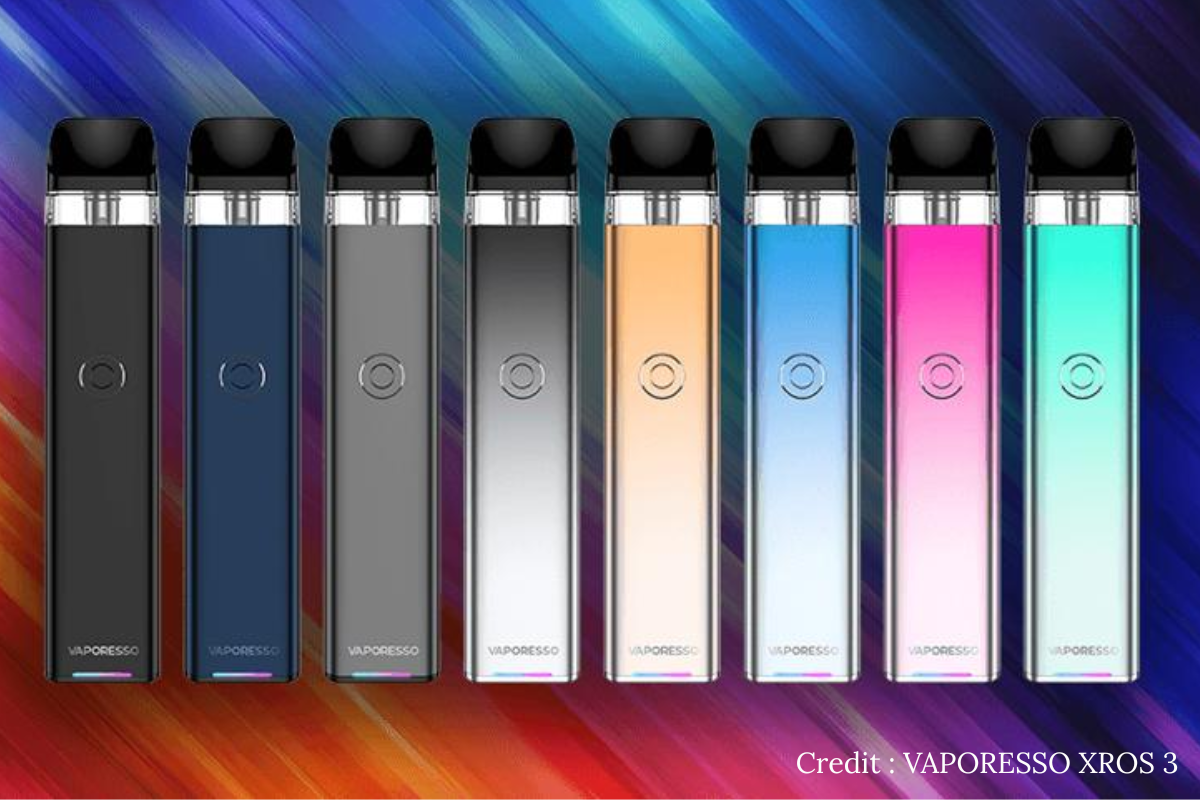 A refillable pod system with strong engineering, adjustable airflow, and a reputation for coil quality. XROS 3 is not a disposable, so ingredient safety depends on the e-liquid you pair it with.
Pair it with a USP-grade, diacetyl-free e-liquid from a reputable brand and you have a clean setup. Load it with whatever the corner store had on sale, and you have undone the point.
7. Uwell Caliburn G3
Another popular refillable pod, well-regarded coils, and a design that has held up over multiple generations. Same caveat as Vaporesso applies here. This is a device, not an e-liquid. Safety depends on what you put in it.
Good pick for a reader who wants control over what goes into the vape.
8. Innokin Endura T18X
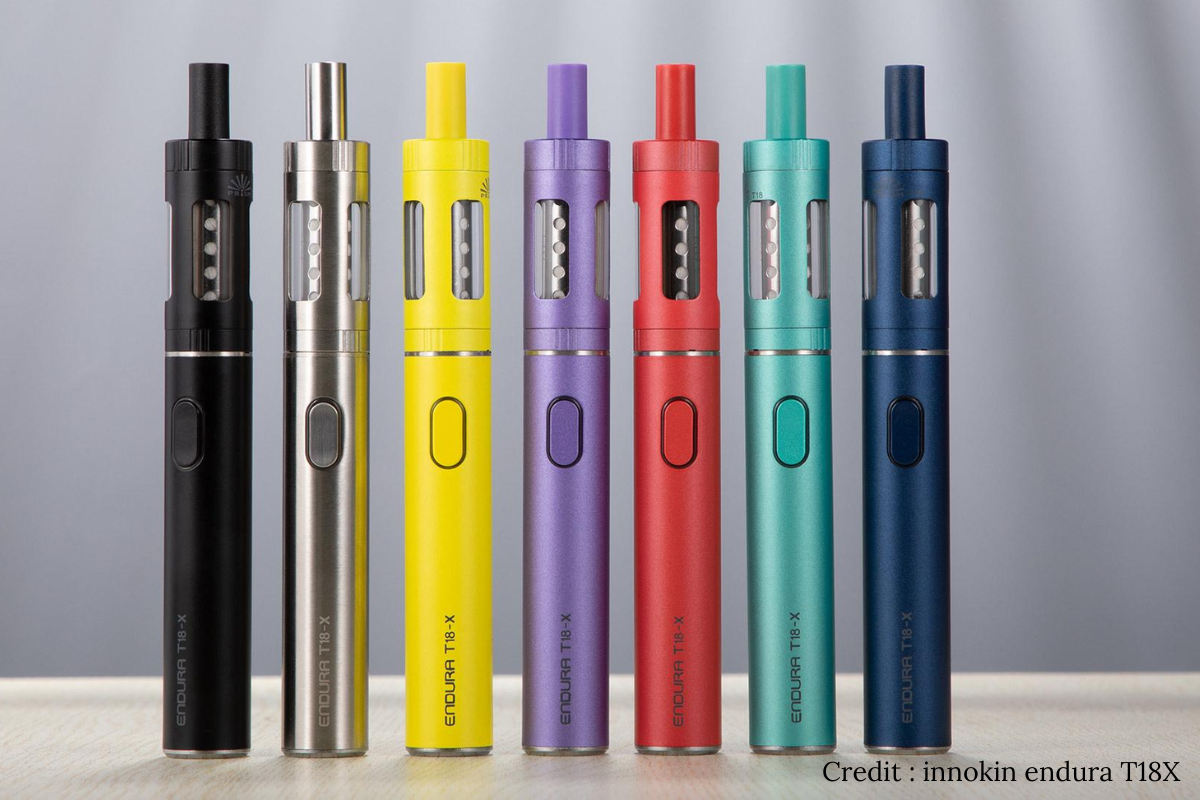 Beginner-friendly refillable pen with a long track record. If you’re searching “safest vape pen” and want something no-drama, this is the classic recommendation. Long battery life, forgiving for a first-timer, and easy to load with a clean e-liquid.
Best fit for someone stepping down from cigarettes who wants control over ingredients without a steep learning curve.
9. Geek Bar Pulse (0% Version, With Caveats)
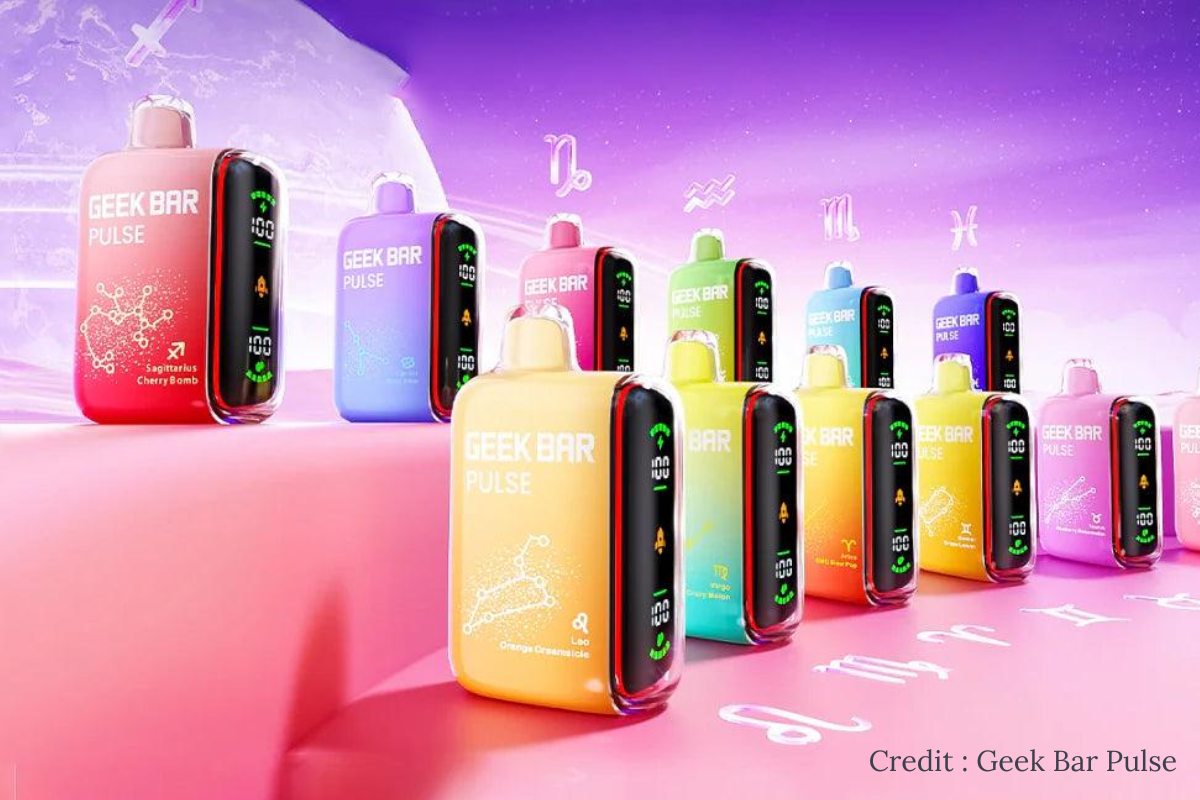
The 0% variant of a high-profile disposable brand. It’s on the list because the nicotine-free version removes the addiction driver, and the device format is familiar.
One caveat worth flagging. The FDA has issued warning letters to Geek Bar tied to youth appeal and PMTA status on their nicotine products. Buy the 0% version from an authorized retailer, or skip it. On the list, but not without asterisks.
10. SMOK Spaceman SP40000 (0%)
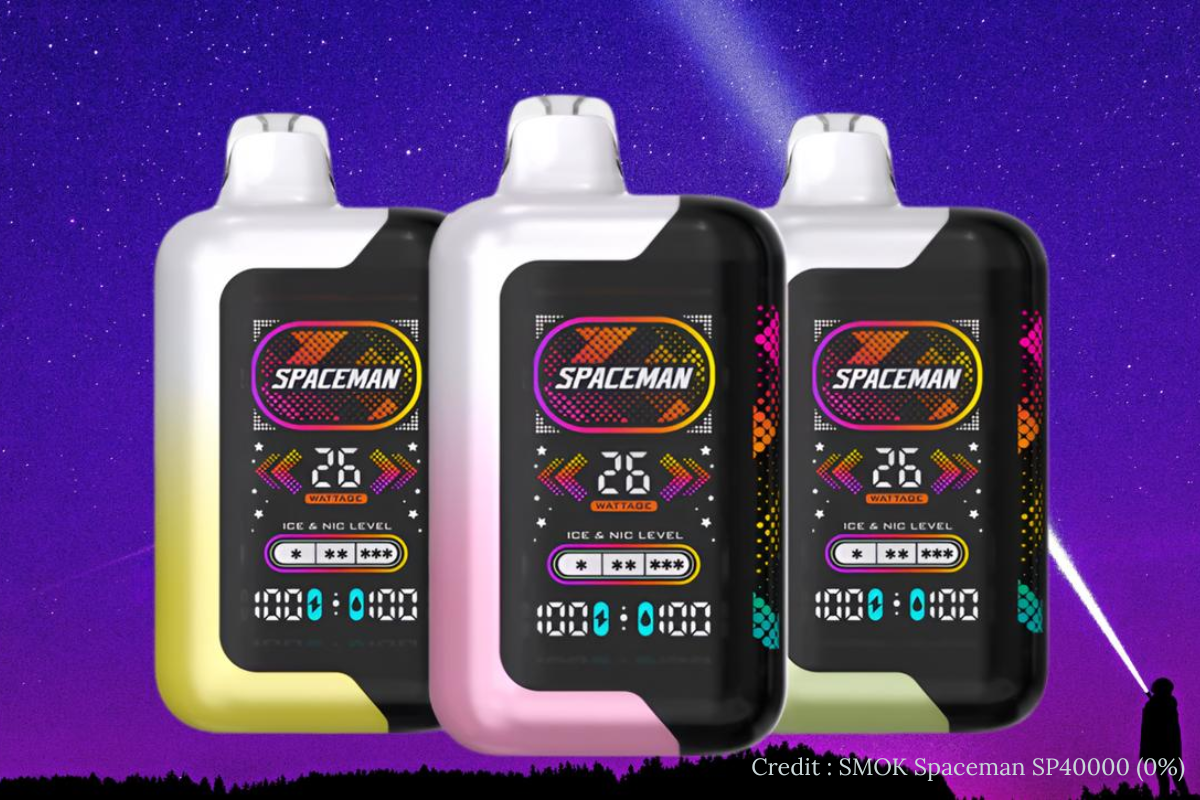 A large disposable with a high puff count and a long-standing device-engineering pedigree. The 0% variant is the only one we would recommend. Non-zero variants are outside this list.
For a heavy user who wants a nicotine-free disposable in a format that feels familiar.
Vape Brands and Products to Avoid
The current version of the internet is full of “safest vape” guides that will not name a single brand or category as unsafe. That’s not helpful. Here are the patterns we’d steer any reader away from, so you can spot the same red flags in whatever product is on the shelf next year.
We’re naming categories, not attacking specific brands, so the article still works if any of these companies clean up their act.
Wellness and Vitamin Vapes With Unproven Claims
Inhaled vitamins are not a real thing. That’s basic pharmacology. Vitamins have to reach your bloodstream through digestion or an injection to do what they do. Aerosolizing them does not deliver the same benefit.
The FDA agrees. In 2021, the agency issued warning letters to Vitastick, Vitacig, NVN, and Vitamin Vape for marketing vapes with unproven inhalation and supplement claims. The full FDA action is public record.
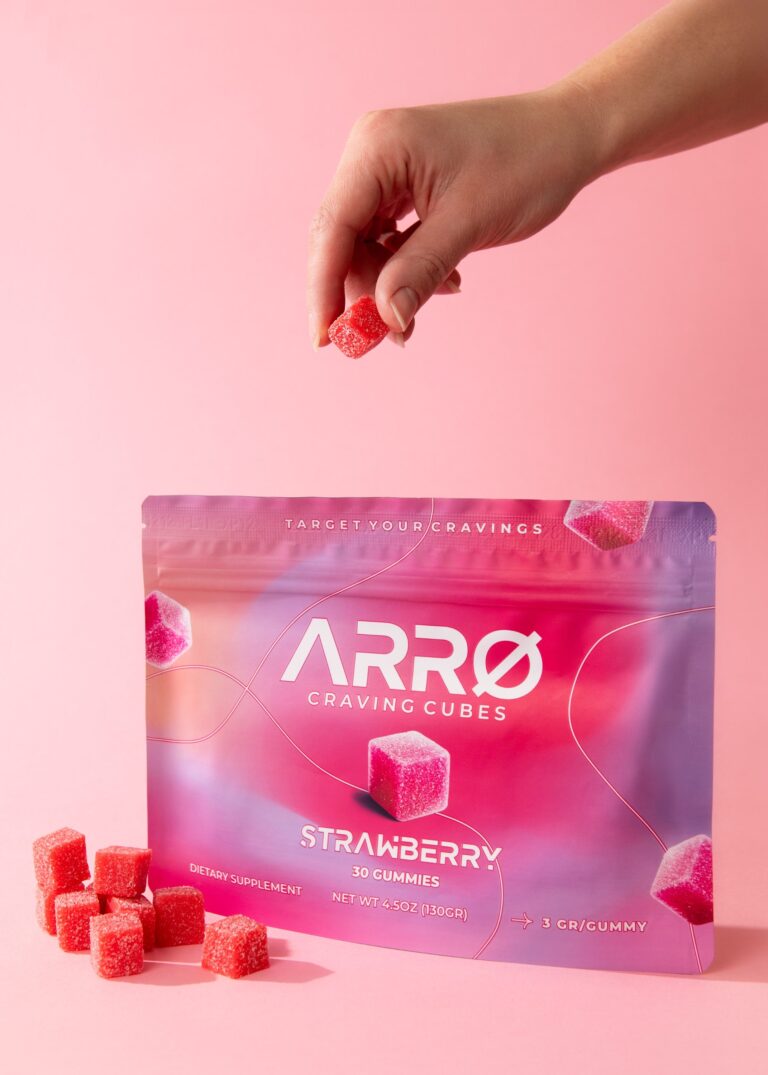
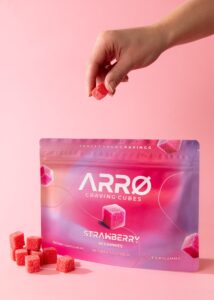
If you were reaching for wellness vapes because the craving hits and nothing else takes the edge off, there’s a cleaner tool for the job. Craving Cubes are our plant-based, non-inhalable gummies built for the moments a vape can’t reach, with Zinc, Magnesium, Rhodiola, and L-Tyrosine backing you up when the reach is loudest. Support for the hard days, not a cure.
Gas-Station and Off-Brand Disposables
Low-quality disposables from manufacturers you have never heard of tend to skip the exact protections we listed in the criteria section. No lab reports, no traceable brand, no US address on the packaging. That combination is not a coincidence.
Some of these devices have also tested positive for heavy metals leaching from low-quality coils. Research published in Environmental Health Perspectives documented detectable lead, chromium, and nickel in the aerosol of several tested e-cigarettes, with the culprit typically traced back to coil metallurgy.
Do a few practical checks before you buy. Look for a manufacturer name printed on the box, a US or verifiable address, a working QR authentication code, and no chemical smell out of the packaging. If any of those are missing, keep walking.
Counterfeit and Illicit-Market Vapes
Counterfeits of popular brands (Elf Bar, Geek Bar, Puff Bar) show up on shelves. Blurry printing, missing verification stickers, chemical smell out of the box. Those are the visual tells.
The 2019 EVALI outbreak was mostly a THC-cart problem, driven by vitamin E acetate cut into illicit-market products. That’s a different market from nicotine vapes, but the pattern is the same. “Cheap and available” is a red flag across both categories. Buy from the brand’s own site or a licensed US retailer. That’s the whole rule.
Legacy Nicotine Vapes With Regulatory Issues
If you searched “is Juul the safest vape” or “is Vuse the safest vape,” here is the honest answer. Both brands have complex FDA histories. Juul faced a marketing ban in 2022 that was later paused. Vuse holds PMTA authorization on some products. Neither is on any regulator’s list of low-risk consumer devices. Anyone still on Juul and doing the math on daily use should start with how long a JUUL pod actually lasts, since one 5% pod carries roughly a pack of cigarettes’ worth of nicotine.
Understand what you are buying and why regulators have watched them closely. Every legacy nicotine vape is still a nicotine vape, and everything we said about the addiction loop still applies.
Ingredients That Harm Your Lungs (What to Actually Watch For)
The list of things you should not be inhaling is longer than most brands admit. Here are the four names to watch for on a label, or when the label is missing entirely.
Diacetyl (Popcorn Lung)
Diacetyl is a buttery-flavor compound that has been linked to bronchiolitis obliterans, a lung condition nicknamed “popcorn lung” after workers at a microwave-popcorn plant developed it. It has no business being in a vape you inhale for hours a day.
Reputable brands have moved away from it, but it still shows up in low-quality, unregulated flavored e-liquids. ARRØ products are diacetyl-free per our own ingredient documentation.
Vitamin E Acetate (The EVALI Outbreak Culprit)
The CDC identified vitamin E acetate as the primary cause of the 2019 EVALI outbreak, which sent 2,807 people to the hospital and caused 68 deaths. The culprit was mostly in illicit THC carts, but the underlying pattern applies to any product where ingredients are not disclosed.
Any brand refusing to say what is in the liquid is a risk. ARRØ products are vitamin E acetate free.
Heavy Metals From Cheap Coils
Lead, chromium, nickel, and tin have been detected in some e-cigarette aerosols. The same research linked earlier from Environmental Health Perspectives traced this back to coil quality. Low-quality coils leaching into the aerosol is the pattern. Reputable coil metallurgy is the fix.
Here is the practical takeaway. if a device costs $8 in a gas station, someone cut a corner somewhere. Coils are often that corner.
Formaldehyde (Dry Puffs)
Formaldehyde can form when a vape overheats or is dry-puffed, meaning the wick is dry and the coil is still firing. Modern devices with over-puff protection reduce this risk considerably.
The takeaway is straightforward. A device that regulates its own temperature is safer than one that does not. Formaldehyde risk is real, but properly engineered hardware controls it well.
Are Nicotine-Free Vapes Actually Safer?
Yes, in a specific and narrow sense. Removing nicotine removes the part of vaping that is chemically addictive. That’s a real safety dimension, and it’s the reason 0% devices consistently outrank nicotine ones on any honest “safest vape” list.
The other risks still apply. Ingredients still matter. Device quality still matters. Battery care still matters. A 0% vape isn’t risk-free. What it is, is a swap that keeps the ritual and drops the chemical hook. That is the case for it, and we’re not going to overstate it. One terminology note, because it trips people up constantly. Smokeless vape pens still produce vapor, not smoke. The difference is combustion: nothing is burning, so there is no tar and no carbon monoxide. That is a real distinction from a cigarette, and it is still not the same as inhaling nothing.
Disposable vs Refillable: Which Format Is Safer?
Disposables win on convenience. You open the box, you use it, you replace it. The trade-off is that the ingredient set is fixed. If the brand cut a corner on the e-liquid, you cannot swap it out.
Refillables give you ingredient control. You pick the e-liquid, you replace the coil on your own schedule, and you can pair a reputable device with a clean liquid to build a safer setup. The trade-off is responsibility. Battery care, coil replacement, and e-liquid quality are on you.
Neither format is universally safer. Match the format to how you actually vape. If you know you’re not going to maintain a device, buy from a legitimate 0% disposable brand. If you want the control, buy a refillable and pair it carefully.
Frequently Asked Questions
Are There Any 100% Safe Vapes?
No. There’s no 100% safe vape. Every product that involves inhaling something other than clean air carries some risk. The useful frame is “safer,” not “safe.” A 0% nicotine device from a transparent brand that publishes ingredients and lab results is meaningfully safer than an $8 gas-station disposable, and that’s the comparison worth making.
Which Vape Is FDA Approved?
No vape is FDA approved in the drug sense. Some nicotine products have PMTA authorization, which is a marketing pathway, not a health endorsement. It means the FDA allowed the product to be sold, not that the agency has deemed it safe. Nicotine-free vapes sit outside the PMTA framework entirely.
What Is the Safest Vape for Your Lungs?
The safest vape for your lungs is a 0% nicotine device from an independent brand that publishes ingredients, avoids diacetyl and vitamin E acetate, is third-party lab tested, and is engineered with battery and coil protections. ARRØ meets all four criteria. Several brands on the list above meet most of them. Worth naming the obvious: no device earns the word healthy outright. What most people are after when they search for healthy vape pens is a short, published ingredient list and no nicotine, which is exactly the standard the criteria above describe.
Is Nicotine-Free Vaping Safe?
Safer than nicotine vaping in the specific ways covered above, but not risk-free. Removing nicotine removes the addiction driver. Ingredient quality, device engineering, and use pattern still matter. Anyone telling you 0% vaping is completely safe is overselling.
Can Lungs Heal After Vaping?
Stopping any inhaled product usually helps lung recovery over time. We’re not going to promise a specific timeline. If you’re looking for the deeper answer on recovery, a quit-support guide is the better place to find it. Be gentle with yourself. Quitting isn’t linear.
Ready to Take Your Story Back?
Day 3 is where most people fold. That’s the day the cravings peak, the ritual bites hardest, and the “one won’t hurt” thought lands. If you’re looking for a swap that respects the ritual, not just another way to keep the nicotine, our nicotine-free collection is one place to start.
No coupon, no pitch, no scarcity timer. Just a way in when you decide you’re ready.
It’s your story. Time to take it back.
References
Centers for Disease Control and Prevention. “Outbreak of Lung Injury Associated with the Use of E-Cigarette, or Vaping, Products.” U.S. Department of Health and Human Services, www.cdc.gov/tobacco/basic_information/e-cigarettes/severe-lung-disease.html.
Olmedo, Pablo, et al. “Metal Concentrations in E-Cigarette Liquid and Aerosol Samples: The Contribution of Metallic Coils.” Environmental Health Perspectives, vol. 126, no. 2, 2018, ehp.niehs.nih.gov/doi/10.1289/EHP2175.
U.S. Food and Drug Administration. “FDA Issues Warning Letters to Manufacturers and Retailers of Illegal E-Cigarette Products.” Center for Tobacco Products, www.fda.gov/tobacco-products/ctp-newsroom/fda-issues-warning-letters-manufacturers-and-retailers-illegal-e-cigarette-products.
 Cessation Cravings: