For a mesh coil vs. regular coil comparison, mesh is usually the better starting point for consistent flavor because its larger contact area can distribute heat more evenly. But a well-matched regular coil can still outperform mesh when the device, settings, airflow, e-liquid, or wick condition are wrong. Coil shape matters, but it is only one part of the setup.
This mesh coil vs. regular coil guide compares heating architecture, not nicotine strength or brand popularity. You’ll see how each design works, where the daily-use tradeoffs show up, and how to choose the best coil for flavor without ignoring compatibility.
Key Takeaways: Mesh vs. Regular Vape Coils
- Mesh coils are usually the better starting point for consistent flavor because their larger contact area can distribute heat more evenly across the wick.
- Device compatibility comes first. The right coil must belong to the exact family approved for your tank, pod, or disposable device.
- Wattage, resistance, airflow, liquid composition, and wick saturation can outweigh coil shape, especially when a setup runs outside its intended range.
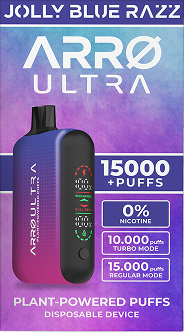
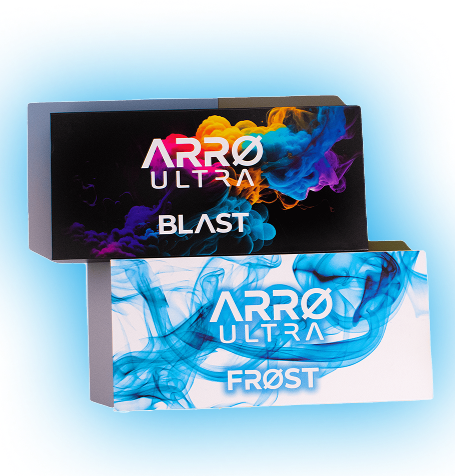
- ARRØ Ultra Magic Mint lists dual and regular modes plus battery and e-liquid displays, so adults comparing sealed devices can check operating mode and liquid status before attributing every flavor change to coil type.
Mesh Coil vs. Regular Coil: The Short Answer
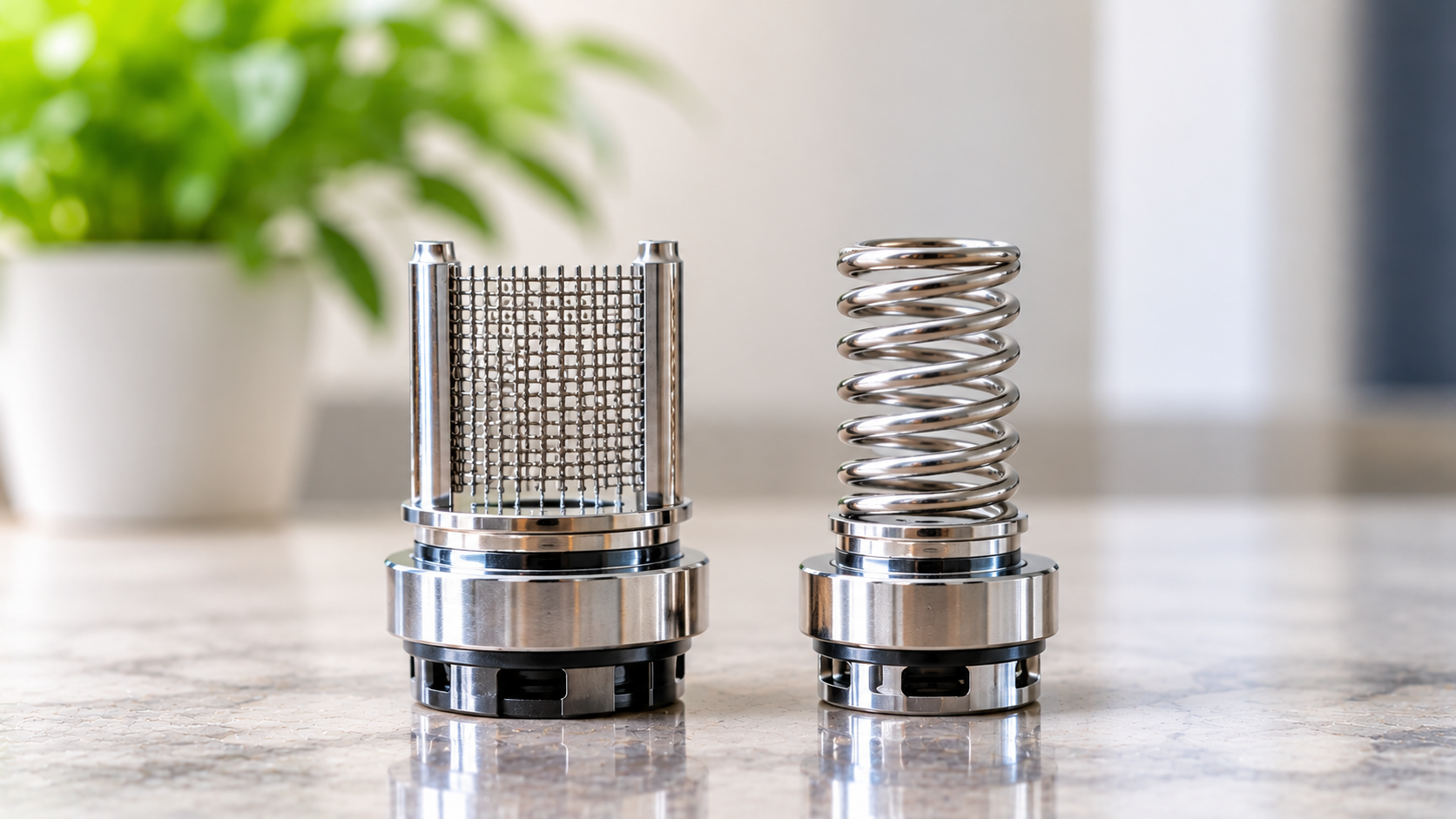
A mesh vape coil uses a perforated metal strip, and a regular vape coil uses resistance wire wound into a spiral. Both convert electrical power into heat, which warms e-liquid held in a wick and creates aerosol.
Contact area is the practical difference. A mesh vape coil can touch more of the wick at once and spread heat across a wider zone. Regular wire concentrates heat along a narrower path. That often gives mesh an edge in consistency, though mesh coils still vary in resistance, wattage, material, and airflow.
| Mesh coil | Regular coil |
| Construction: perforated metal strip | Construction: resistance wire wound into a spiral |
| Heat distribution: broader and often more even | Heat distribution: more concentrated along the wire |
| Flavor consistency: often steadier when properly saturated | Flavor consistency: can be excellent with a well-matched setup |
| Vapor: often fuller at comparable use | Vapor: often more focused, depending on power and airflow |
| Ramp-up: often quick across a broad surface | Ramp-up: varies with wire gauge, wraps, and material |
| Typical draw: common in DTL and RDL, with MTL options available | Typical draw: common in MTL, with open-draw options available |
| E-liquid use: can rise with higher aerosol output | E-liquid use: can be lower in lower-power setups |
| Control: fixed mesh pattern in most replaceable heads | Control: broad tuning options in rebuildable formats |
| Compatibility: only approved mesh coils fit | Compatibility: only approved regular coils fit |
Why Mesh Coils Usually Produce More Consistent Flavor
Mesh coils usually taste more consistent because their larger contact area can distribute heat more evenly across the wick. This design can support steadier heating, but it does not guarantee the same flavor in every device.
A steady puff can still taste too cool, too warm, or flat for your preferred liquid. Coil geometry sets the stage. The device, power, airflow, and wick condition shape what you actually taste.
Surface Area and Heat Distribution
Mesh spreads heat across more wick area because, as a University of California dissertation explains, its heater has more contact surface than traditional round wire and can distribute heat more evenly.
That finding supports the basic mechanism behind mesh coil flavor, but a mesh label cannot guarantee better taste. Patterns, metals, wick designs, resistance values, and power delivery all vary. Mesh describes the geometry, not a quality grade.
Why Settings and Wick Condition Still Matter
Power and resistance can change liquid consumption and subjective experience, and e-liquid composition and wick saturation can change coil temperature, even when two devices both use mesh.
A controlled study of coil resistance and power found that a higher-power, lower-resistance condition increased liquid consumption. That comparison covered power and resistance, not mesh against round wire.
Wick condition matters as much. Temperature measurements from a separate peer-reviewed paper found that applied power, liquid composition, and the wick’s ability to deliver e-liquid all influenced coil temperature. In practical terms, a compatible regular coil used within its rated range and kept saturated can taste better than an overpowered or under-saturated mesh coil.
Mesh vs. Regular Coils: Side-by-Side Tradeoffs
In a mesh coil vs. standard coil comparison, mesh often favors broader heat distribution and steady output, but regular wire can remain the better fit for a compatible lower-power or rebuildable setup. Neither design wins every category because resistance, power, airflow, wick condition, and liquid composition can change the result.
Start with the experience you want. Then check whether your device can deliver it with an approved coil.
Flavor and Vapor
Mesh can deliver steadier flavor because its larger contact surface can distribute heat more evenly, but warmth and draw feel still depend on the complete setup and user preference. A broader heating surface can support more uniform vaporization, but greater aerosol output is not the same as objectively better flavor.
More aerosol does not guarantee better flavor. A bright fruit liquid may feel clearer with a cooler, airier draw, and a richer profile may suit more warmth and concentration. Your palate gets the final vote.
Do not infer ramp-up from the mesh label alone. Compare the approved operating range and product instructions for the exact coil instead.
Coil Life, Dry Hits, and Maintenance
Do not assume mesh will last longer than a regular coil. Poor liquid delivery can still create dry-puff conditions, and the cited temperature study used a traditional top-coil clearomizer rather than a mesh-versus-wire lifespan test.
If flavor turns burnt or muted, check the liquid level and approved settings first, then follow the manufacturer’s replacement guidance. A day count from another device is not a reliable schedule.
A mesh coil dry hit is still possible. The temperature research found much higher coil temperatures when liquid delivery was insufficient, especially as power increased. Mesh can spread heat more broadly, but it cannot compensate for a dry wick or an operating range the manufacturer did not approve.
E-Liquid Use, Battery Demand, and Cost
Mesh does not automatically use more e-liquid or battery because power, resistance, and puff behavior help determine consumption. A higher-power mesh setup may use more than a lower-power setup, but that difference does not come from the mesh label alone.
Compare the manufacturer’s wattage range, coil price, replacement availability, and your normal refill pattern. The controlled power and resistance research showed greater liquid consumption in its higher-power, lower-resistance condition. That result supports a power-related tradeoff. It does not establish that mesh itself always uses more e-liquid.
What you replace matters. A removable coil head, a full pod, and a sealed disposable each create a different purchase cycle. Compare the cost of the whole replacement part, not just the price beside a coil.
Can You Replace the Coil in a Sealed Disposable?
You can replace a coil only when the manufacturer supplies a compatible part and instructions for installing it. If a product is sold as a sealed disposable without those parts, treat the coil as non-user-serviceable.
That changes the troubleshooting order for sealed nicotine-free disposables. Check the published operating mode and liquid level before blaming a flavor change on coil architecture, then follow the current product instructions when deciding whether the device is ready for replacement.
When a Regular Coil Can Be the Better Choice
A regular coil can be the better choice when the device requires it, you prefer a tighter or warmer draw, or build control matters more than maximum surface area. Round wire remains capable of excellent flavor when the coil, wick, airflow, and power range work together.
Choose regular wire when the approved coil family offers the resistance and draw you prefer. MTL vs. DTL coils do not divide neatly by architecture, so use the manufacturer’s compatibility list instead of assuming every mesh coil is open-draw.
Compatibility draws the line. Never install a coil because resistance looks similar or the part appears to fit. Use the exact manufacturer-approved coil family and operating range.
Coil choice does not change the health boundary. The CDC says youth, pregnant people, and adults who have never used tobacco products should not start vaping. The CDC states that no e-cigarette has been approved by the FDA as a smoking cessation aid.
How to Choose the Right Coil for Your Device
Vape coil compatibility comes first, then resistance, wattage, airflow, and draw style should match the experience you want. A coil that cannot operate correctly in your device is never the best coil for flavor.
Start with the exact product manual or manufacturer compatibility list. Then decide whether you value steadier flavor and more vapor, a tighter and warmer draw, lower consumption, or more control over the build.
Check Compatibility Before Comparing Performance
Coil type does not matter if the coil is not approved for your tank, pod, or disposable device. Confirm the coil family, resistance, rated wattage range, and device model before buying.
Matching resistance is not enough. Construction changes how a coil heats. Manufacturer instructions take priority over general mesh coil wattage advice.
For a practical decision, check exact compatibility first, then the rated operating range, your preferred MTL, RDL, or DTL draw, and finally your flavor and consumption priorities. That order keeps the choice grounded in what the device supports.
Prime the Wick and Stay Within the Rated Range
Coil priming and the manufacturer’s operating range matter because wick wetness and applied power can change coil temperature. Follow the coil maker’s priming instructions instead of applying a universal soak time to every product.
When the manufacturer permits gradual adjustment, begin at the low end of the approved range and increase only within that range. Give the wick time to resaturate between repeated puffs. If flavor turns persistently burnt or sharply unpleasant, stop and check the liquid level, wick, and settings rather than pushing more power.
Priming is a setup step, not a safety claim. It cannot make an incompatible, damaged, or worn coil suitable for continued use.
Use ARRØ Ultra as a Verified Feature-Disclosure Example
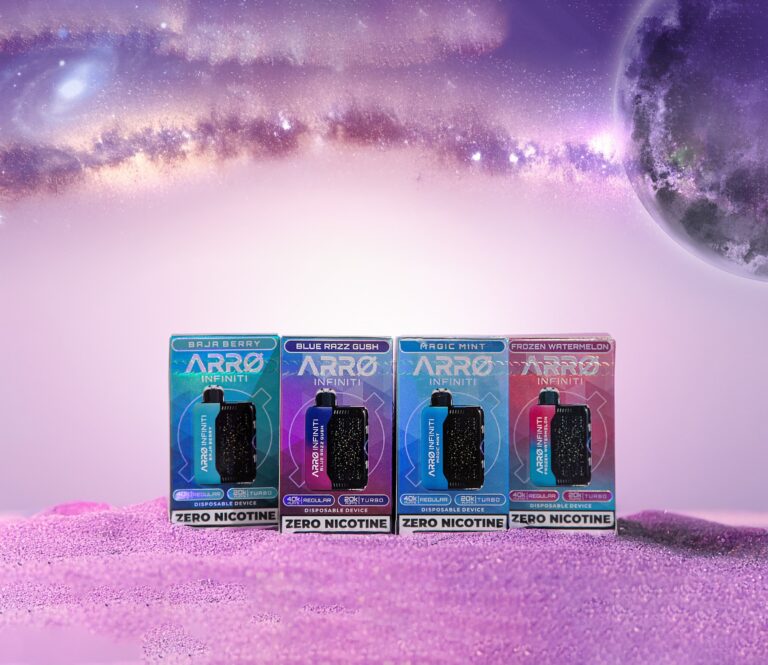
ARRØ Ultra’s current Magic Mint product page lists dual and regular modes plus a display for battery and e-liquid levels. Those disclosed features give adults comparing sealed devices practical details to check before attributing every flavor change to coil type.
Comparing sealed nicotine-free disposables? Look past puff count. Check whether the product page explains operating modes, battery and liquid indicators, and who the product is for. Adults who already vape can use those details to separate published device features from vague claims about smoothness or performance.
Frequently Asked Questions About Mesh and Regular Coils
The most useful questions come down to compatibility, operating conditions, consumption, and whether mesh advantages carry across devices. Here are the short answers.
Are Mesh Coils Always Better for Flavor?
No, mesh often improves consistency, but it is not automatically better in every device or for every preference. Warmth, airflow, liquid profile, resistance, power, and draw style shape what you taste.
Choose mesh when your device supports it and you value an even, often fuller output. Choose a regular coil when it better matches your device or preferred draw.
Do Mesh Coils Use More E-Liquid?
Mesh setups often use more e-liquid when they create more aerosol, but power and puff behavior can matter as much as coil shape. A high-power sub-ohm mesh device and a low-power mesh pod can have very different consumption.
Check the rated power and your actual refill pattern. Do not assume the word mesh predicts running cost by itself.
Do Mesh Coils Last Longer Than Regular Coils?
Do not assume a fixed vape coil lifespan advantage for mesh. High power and poor saturation can raise coil temperature, but the cited study did not measure comparative coil lifespan.
Follow the product instructions and replace the coil when flavor or performance remains degraded. A day count from a different device is not a reliable schedule for yours.
Can You Switch From a Regular Coil to Mesh?
You can switch only when the device manufacturer lists a compatible mesh option for the same coil family. Matching resistance or physical appearance is not enough.
Check the manual or exact compatibility list before buying. If your device has no approved mesh option, keep the specified coil instead of improvising a fit.
Choose Flavor Consistency Without Ignoring Compatibility
In the mesh coil vs. regular coil decision, mesh is the stronger default for steady flavor, but compatibility still decides the best coil for your setup. Choose mesh when you want wider heat distribution and often steadier vapor. Keep regular wire when you prefer its warmth, tighter draw, lower-power fit, or build control.
Flavor consistency starts with matching the device to how you vape, then checking mode, liquid level, and published specifications instead of assuming the coil label tells the whole story.
If you are 21 or older, already vape, and want a 0% nicotine option, compare ARRØ’s nicotine-free vape range by format, listed ingredients, and published product details. Use those facts to choose the setup that fits your draw, then follow the live product instructions before you buy.
 Cessation Cravings: