Disposable vapes are not automatically vegan. A base liquid can use plant-derived or synthetic ingredients and still leave big questions unanswered. Animal-derived inputs, animal testing, and cross-contamination controls all matter. Check the exact product and flavor.
If you are 21 or older and already vape, start with the package ingredient list. Check the manufacturer’s current statement next, then ask for supplier documents or independent certification. A broad “plant-based” label gives you a lead. You still need proof.
Key Takeaways: Are Disposable Vapes Vegan?
- Disposable vapes are not automatically vegan because a product-level vegan standard covers animal-derived inputs, animal testing, and cross-contamination controls, not just a base-liquid ingredient list.
- The word “natural” does not prove a flavor is plant-derived because the federal food definition allows natural flavor to come from plant or animal sources.
- The strongest verification follows the exact SKU and flavor through the ingredient list, testing policy, supplier declarations, and any current independent certification.
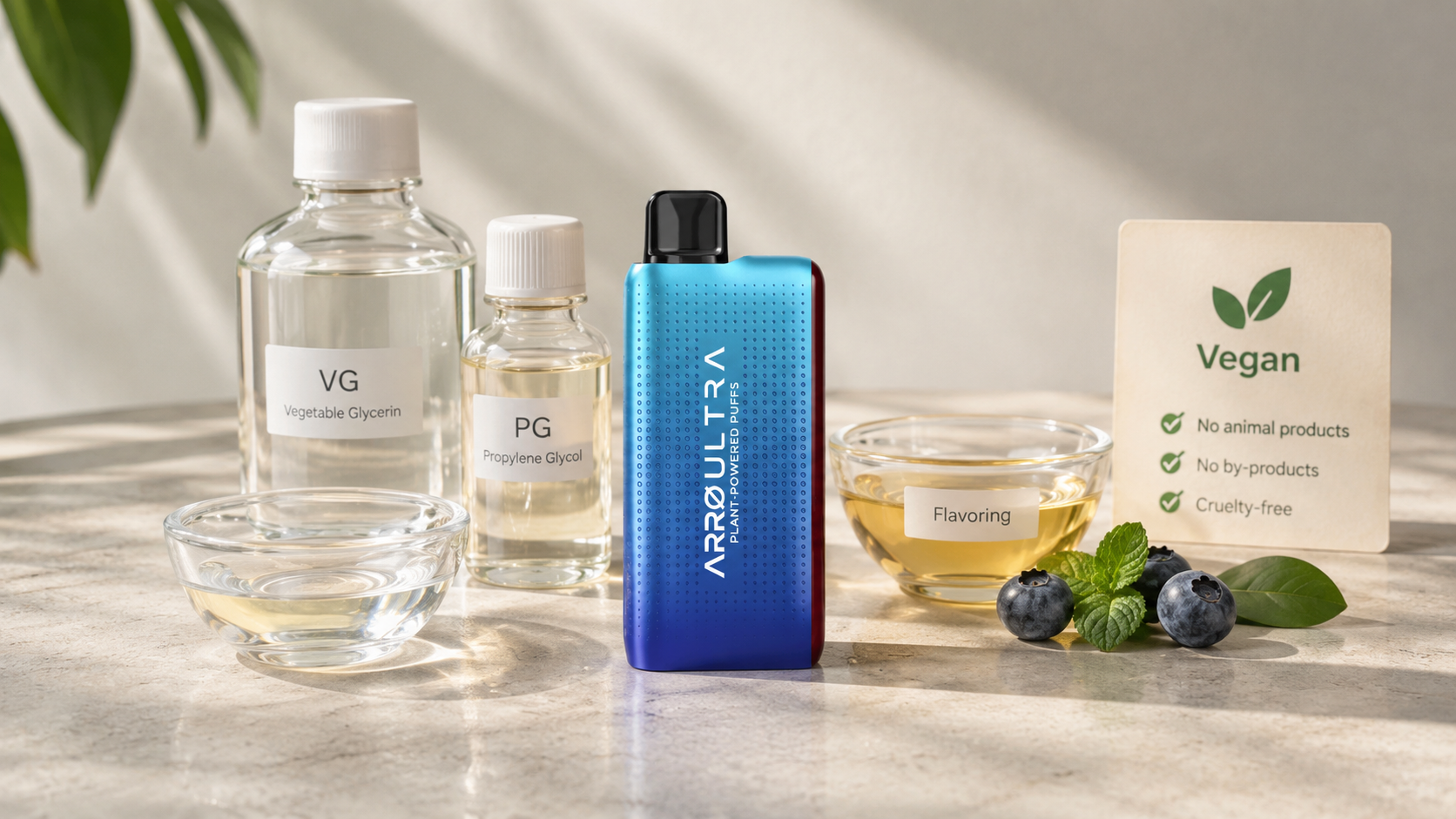
- ARRØ says its Plant-Based Vapes use fruit-extract flavoring, propylene glycol, and vegetable glycerin and describes every ARRØ vape as “100% vegan-friendly,” which is first-party wording rather than independent certification.
Short Answer: Are Disposable Vapes Vegan?
Some vegan-friendly disposable vapes may meet a vegan standard. Others may not. The device format, flavor name, nicotine level, and a short ingredient list do not settle the question.
Split the claim into two checks. First, ask whether the formula contains animal-derived ingredients. Then look at development, testing, manufacturing, and the supply chain. A product can pass one check and leave the other wide open.
Vegan status is not a health rating. It cannot tell you whether a product is risk-free or appropriate for someone who does not already vape. For a separate discussion, see what nicotine-free vape safety claims can and cannot show.
What Makes a Disposable Vape Vegan?
A vegan product should contain no ingredients made wholly or partly from animals. That is the starting point. A careful check goes beyond the headline ingredient list.
The Vegan Society’s standards consider animal-derived ingredients, animal testing, and cross-contamination controls. That wider view matters because a vegan e-liquid claim may cover only the formula, not the full disposable device.
Ask whether the claim also covers device components, manufacturing, and packaging. Do not assume those materials are animal-derived. Confirm what the manufacturer checked before treating a liquid-only claim as proof for the full product.
Wording matters too. The Vegan Society explains that “vegan-friendly” can be a manufacturer’s own statement, but its Vegan Trademark means the product has been checked against its standards. The absence of a trademark does not automatically make a product non-vegan. It simply means you need another form of product-specific evidence, such as current supplier declarations.
Which Disposable Vape Ingredients Need a Closer Look?
Flavorings, propylene glycol, vegetable glycerin, nicotine, and other disclosed ingredients all need product-specific review. The FDA lists these as common parts of e-liquid, but that list does not determine whether any ingredient or finished product is vegan.
To check for animal-derived ingredients in vapes, go beyond the ingredient names on the label. Look for carrier sources, processing aids, sub-ingredients, and testing policies. Follow the exact SKU and flavor, not the product category.
Use the ingredient list to spot obvious questions. Then press for precise answers. A label may not show how an ingredient was processed, whether the supplier changed, or whether a broad policy covers every flavor.
Vegetable Glycerin (VG)
Is vegetable glycerin vegan? When a manufacturer accurately identifies glycerin as vegetable glycerin, the name points to a plant source. For many shoppers, that is a useful first check.
Strict verification still depends on current documentation for the exact formula. A supplier declaration can confirm the source, processing, and whether the ingredient matches the product being sold now. “Vegetable” should not be read as a safety or health claim. It only describes the stated source.
Propylene Glycol (PG)
Is propylene glycol vegan? PG is a common e-liquid carrier, but its name alone does not certify the finished liquid or device as vegan.
A familiar or synthetic ingredient name proves very little on its own. Ask for a current supplier statement tied to the formula. A vegan vape juice claim should also cover flavor components, processing aids, and testing.
Does 0% Nicotine Make an ARRØ Disposable Vegan?
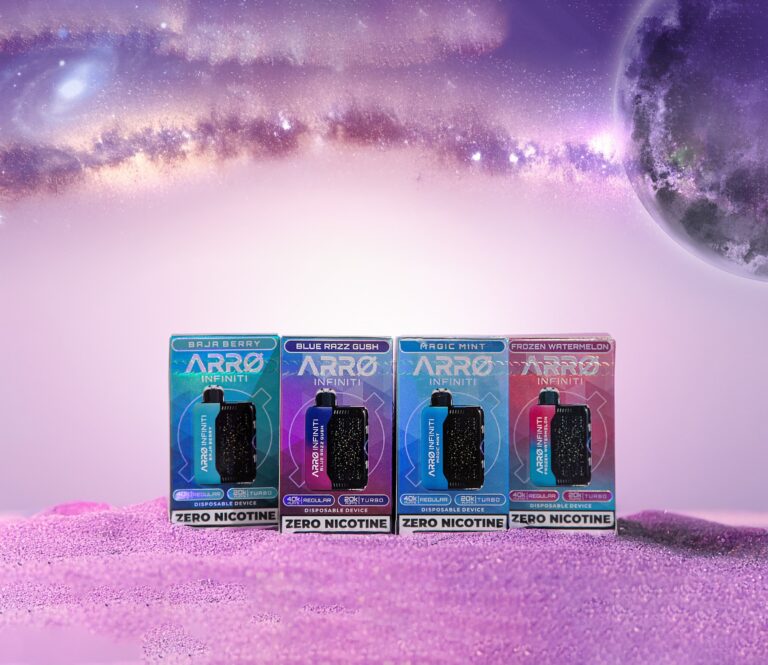
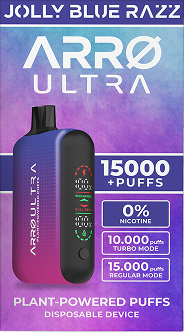
No. ARRØ’s disposable collection identifies its products as nicotine-free, but that page does not currently make a visible vegan claim. Nicotine content and vegan status answer different questions. Use the collection to identify the exact SKU, then check its flavor sources, testing policy, and claim scope against ARRØ’s plant-based disclosure.
Natural and Artificial Flavorings
“Natural” does not automatically mean plant-derived or vegan. Under the federal food-label definition, natural flavor can come from plant sources or meat, seafood, poultry, eggs, or dairy. That food rule is a useful sourcing analogy, not a legal classification for vape labels.
A fruit, dessert, or mint flavor name tells you what the product is meant to taste like. It does not reveal every flavor component, carrier, or processing aid. For a firmer answer, look for product-specific supplier disclosure or independent certification instead of relying on the word “natural.”
Plant-Based, Vegan, and Cruelty-Free Are Different Claims
These terms overlap, but they answer different questions. “Plant-based” describes a product’s stated source emphasis. A vegan claim addresses animal-derived inputs and may include manufacturing considerations under the chosen standard. A cruelty-free vape claim usually focuses on animal testing.
The gaps show up fast. A plant-based vape may never have been independently checked as vegan. A formula may list no known animal ingredients, but the company says nothing clear about testing. A cruelty-free statement may tell you nothing about a flavoring’s source.
The strongest claim is the one supported by traceable, current evidence. Certification adds independent review. Supplier declarations can help when they identify the exact ingredient, formula, and date. A front-label phrase without supporting detail gives you less to verify.
Start with current certification for the exact product, if it exists. After that, look for dated supplier declarations and a clear company policy. General website copy tells you the brand’s position. It does not prove that every ingredient, flavor, and production run received an independent check.
How ARRØ Describes Its Ingredients and Vegan-Friendly Claim
ARRØ’s current plant-based vape collection lists fruit-extract flavoring, propylene glycol, and vegetable glycerin. On the same page, ARRØ says every ARRØ vape is “100% vegan-friendly.”
That wording is first-party brand proof. It shows what ARRØ currently says about its products, but it is not the same as an independent certification. We did not find a certification statement on the reviewed collection page, so do not add “certified” or treat the claim as third-party verified without current documentation.
ARRØ’s zero-nicotine disposable collection provides product and ingredient context, but the reviewed page copy did not use the word “vegan.” That is a good reminder to check the exact product rather than carrying a collection-level claim across every page. Before publication or purchase, verify the current packaging, formula, supplier evidence, and any certification tied to the specific SKU and flavor.
How to Check Whether a Disposable Vape Is Vegan
The answer lives in the paper trail. Work through these checks in order:
- Identify the exact SKU and flavor. Similar devices can use different flavor systems or suppliers.
- Read the full ingredient list. Look beyond “plant-based” and note every carrier, flavoring, extract, and added ingredient disclosed.
- Ask about flavoring and processing aids. Confirm whether carriers and sub-ingredients have animal-derived sources.
- Check the animal-testing policy. Ingredient sourcing and company testing practices are separate questions.
- Define the scope of the claim. Ask whether “vegan” covers the liquid only or the device, manufacturing, and packaging too.
- Request current supplier documentation. A declaration tied to the exact formula is more useful than a general statement about the brand.
- Look for independent certification. Confirm the certifier, product name, flavor, and current registration status.
- Save the evidence and date it. Formulas, vendors, packaging, and policies can change. A screenshot or dated email makes it easier to know what was actually verified.
A customer-service reply that repeats the label is not enough. Ask what was checked, which product the answer covers, and when the information was confirmed. If the reply mentions a supplier declaration, find out whether it covers both the flavor components and the base liquid.
If the company cannot provide product-specific support, call the claim unverified. Do not jump from missing evidence to a definite conclusion that the product is vegan or non-vegan.
What Should You Ask ARRØ Before Relying on a Vegan-Friendly Claim?
Ask ARRØ whether its vegan-friendly claim covers your exact flavor, the e-liquid formula, and the full disposable device. The brand’s plant-based page names fruit-extract flavoring, propylene glycol, and vegetable glycerin. Its disposable collection does not repeat the vegan wording. A useful reply should name the SKU, scope, evidence date, and any supplier declaration or certification. Save that reply with the packaging so you know what was checked.
FAQs About Vegan Disposable Vapes
These FAQs separate ingredient sourcing, nicotine content, and certification so each claim can be checked on its own.
Are Nicotine-Free Vapes Automatically Vegan?
No. Removing nicotine does not tell you where the flavorings, carriers, or processing aids came from, and it says nothing about the company’s testing practices.
“Nicotine-free” and “vegan” describe different product attributes. Run the same exact-product checks for a 0% nicotine vape that you would use for any other disposable. ARRØ’s guide compares no-nicotine vape juice choices.
Does “Natural Flavor” Mean Vegan?
No, not automatically. The federal food-label definition allows natural flavor to come from plant and animal sources.
That rule does not classify vape labeling. It simply shows why the word “natural” is too broad to prove vegan sourcing by itself. Ask for information tied to the specific flavor.
Can a Vape Be Vegan-Friendly Without Certification?
Yes. A manufacturer can describe a product as vegan-friendly without registering it for a recognized trademark.
That does not make the claim false, and a missing trademark does not prove the product is non-vegan. It does mean the evidence rests on the manufacturer and its suppliers rather than an independent certifier. Traceable, current supplier documents can help support the claim.
Read the Label, Then Verify the Claim
So, are disposable vapes vegan? Some may be. The answer depends on the exact formula, flavor sources, processing aids, testing policy, scope of the claim, and proof behind the words.
For adults 21 and older who already vape, the next step is simple. Verify before you rely on the claim. You can review ARRØ’s broader nicotine-free vape collection or its current nicotine-free disposable collection, then confirm the packaging and documentation for the specific product you are considering.
If you are 21 or older and already vape, ARRØ’s disclosures give you a place to start, but the exact product evidence should finish the job. Choose your flavor, then ask ARRØ to confirm the ingredients, claim scope, and evidence date before you buy.
 Cessation Cravings: